National Dish Thailand: Kai Palo (Recipe)
In this article
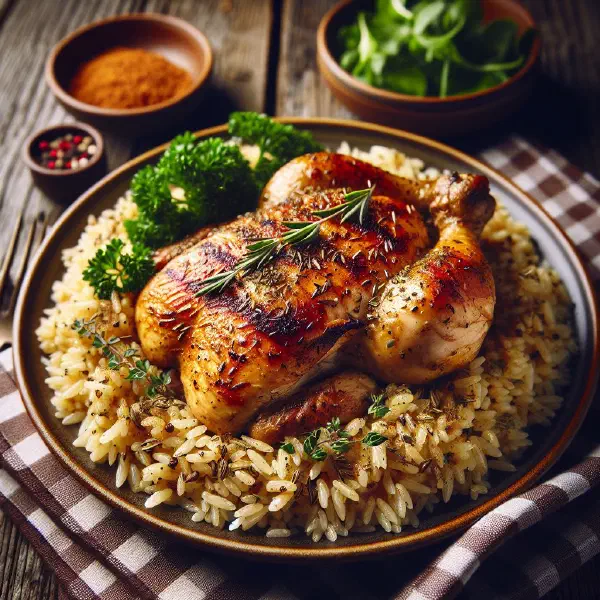
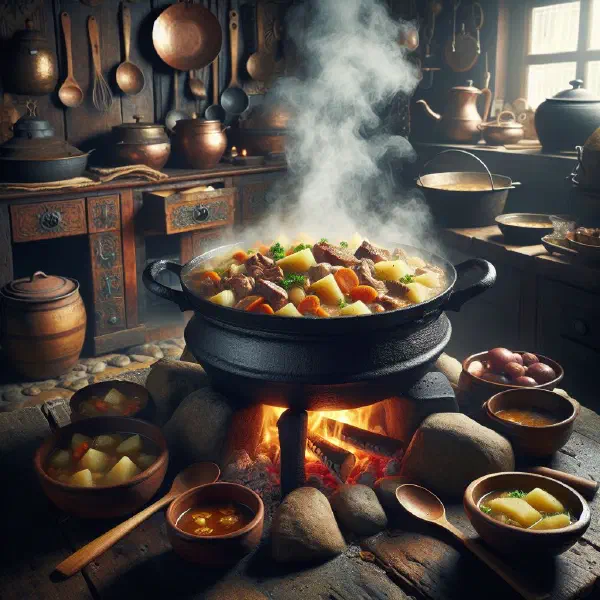
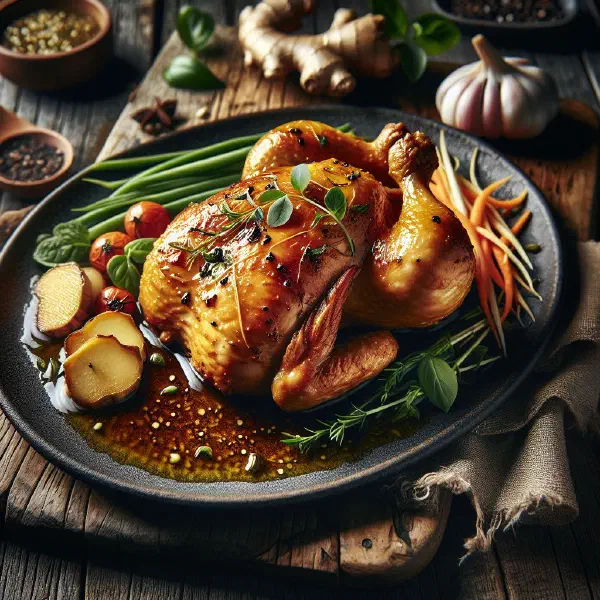
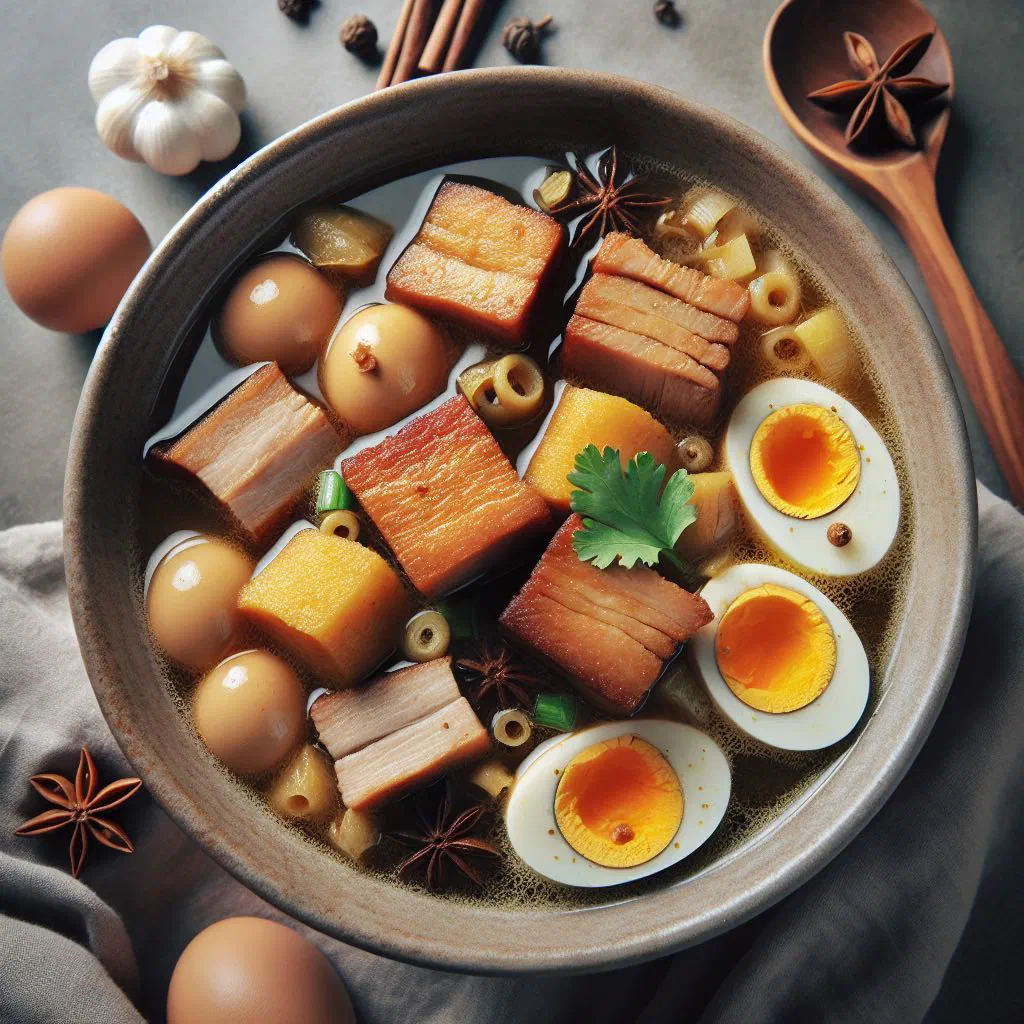
Meet Kai Palo, a comforting Thai stew that fills the kitchen with the warm, sweet scent of star anise. Tender chicken simmers slowly in a fragrant, lightly spiced broth until every piece soaks up the aroma. Both savoury and gently sweet, it is the kind of one-pot meal that feels at home on any table. Serve it over fluffy jasmine rice or noodles and bring a little taste of Thailand to your dinner.
About Kai Palo
Kai Palo is a traditional Thai dish most often prepared with chicken. Its distinctive spice blend and the generous use of star anise give this stew a flavour that is both savoury and deeply aromatic. It is usually served with jasmine rice or noodles, which makes it a popular choice for a hearty, satisfying meal. The preparation is straightforward, so it suits cooks of every level of experience.
Ingredients (serves 1–2)
- 300 g chicken breast fillet
- 2 cups stock (chicken or vegetable)
- 2 tablespoons soy sauce
- 2–3 whole star anise
- 2–3 slices fresh ginger
- 1 onion, diced
- 2 garlic cloves, chopped
- 1 teaspoon sugar
- Fresh coriander leaves, to garnish
- Rice or noodles, to serve
Shopping for the ingredients
When shopping for your kai palo, it is worth paying attention to the quality of the ingredients. Visit an Asian grocery to track down authentic items such as star anise and fresh ginger. Organic chicken can also make a real difference to the flavour and quality of the finished dish. Be sure to pick up fresh herbs for the garnish too, as they lift the dish both visually and in taste.
Preparing the dish
Before you start cooking, gather and prepare all of your ingredients. Cut the chicken into moderate pieces so it cooks through evenly. Dice the onion and chop the garlic to keep the cooking quick and smooth. Have the stock ready to go as well, so the process runs without interruption once you are at the stove.
Step-by-step instructions
- Heat a little oil in a large pot and sauté the onion and garlic.
- Add the chicken and fry until golden brown.
- Pour in the stock and the soy sauce.
- Add the star anise and the ginger, then bring everything to the boil.
- Lower the heat and let it simmer gently for around 30 minutes, so the flavours have time to develop.
- Season to taste with sugar and any extra spices you like.
- Serve kai palo hot, garnished with fresh coriander and the side of your choice.
Gluten-free / lactose-free version
For a gluten-free version of kai palo, swap the regular soy sauce for a gluten-free soy sauce or tamari. Check the stock too, as many shop-bought varieties can contain gluten. As for lactose, this recipe is naturally lactose-free, so you can enjoy it without worry. Just take care to choose lactose-free options for your side dishes as well.
Tips for vegans and vegetarians
For a vegan take on kai palo, replace the chicken with tofu or tempeh. These plant-based proteins soak up the flavours of the stew beautifully and offer a similar texture. Use vegetable stock in place of chicken stock to deepen the taste. It is just as important to make sure your spices and side dishes are vegan-friendly too.
More tips and tricks
When making kai palo, timing is everything. Take care not to overcook the chicken so it stays tender and juicy. Don’t miss the chance to experiment with different spices and create a flavour all your own, a pinch of cinnamon, for example, can add an interesting note that rounds the dish off nicely. Cooking it in a pressure cooker is another way to cut the preparation time considerably.
Adapting the recipe to your taste
The flavours in kai palo are easy to adjust to suit your own preferences. If you like things hotter, add a few fresh chillies or a little chilli powder. For a sweeter version, increase the sugar or stir in some diced pineapple, which softens as it cooks.
Ingredient substitutions
If you are not in the mood for chicken, you can use beef or even seafood such as prawns instead, the same approach that works in a Goong Gratiem Prik Thai. For a vegetarian option, fried mushrooms are a great choice that bring a hearty texture. In place of jasmine rice, try brown rice or quinoa, which offer more nutrients and fibre.
Drink pairing ideas
Light drinks pair well with a savoury, aromatic dish like kai palo. A freshly made iced tea with lemon or lime is a refreshing match. An Asian beer or a fruity white wine also harmonise nicely with the flavours of the stew. For an alcohol-free option, sparkling water with a squeeze of lime is ideal and balances the tastes beautifully.
Serving and presentation ideas
Presentation plays an important part in any meal. Serve kai palo in a large, attractive bowl and garnish it with fresh coriander leaves and perhaps a few slices of red chilli for colour. Use stylish dishes for the rice or noodles to create a colourful, inviting spread. Set the table with care, using Asian tableware and, ideally, candles for a warm atmosphere.
A bit of history
Kai palo has its roots in Thai cuisine, which reflects a fascinating blend of influences from neighbouring countries. The use of spices such as star anise and ginger shows its connection to Chinese cooking, while the methods of preparation reflect local traditions. Over the years kai palo has evolved and grown popular both in Thailand and internationally. It is yet another example of the rich food culture you’ll find across Thai cuisine.
More recipe ideas
Summary: Kai Palo
Kai palo is a much-loved Thai dish that wins you over with its aromatic spice blend and tender pieces of chicken. With simple ingredients and an uncomplicated method, it is within reach for everyone. This delicious dish brings a little piece of Thailand to your table. Give it a try and let the flavours and culture of Thailand sweep you away.