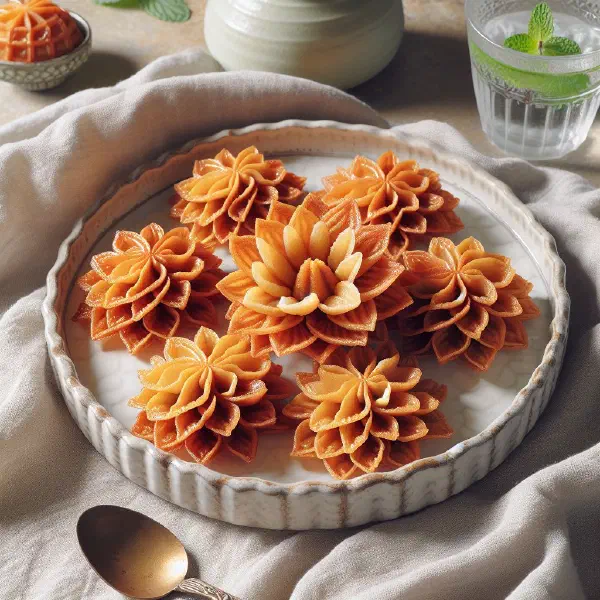
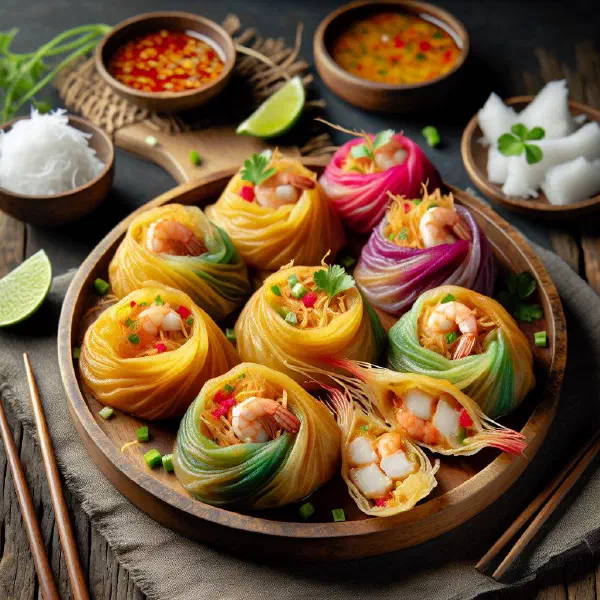
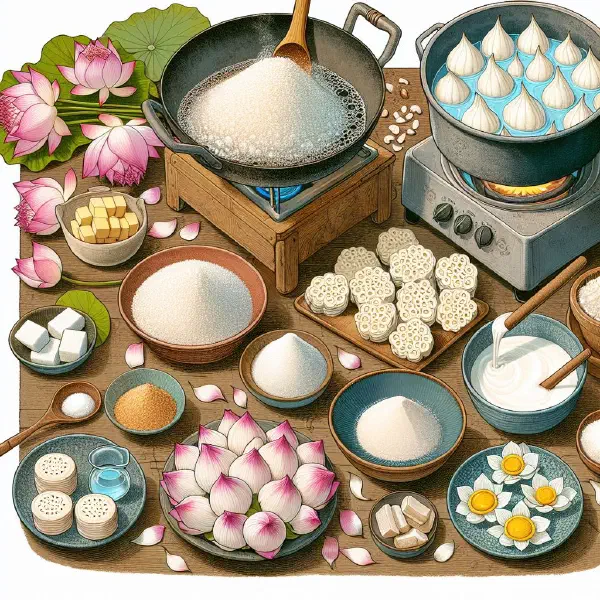
National Dish Thailand: Kanom Tom (Recipe)
In this article
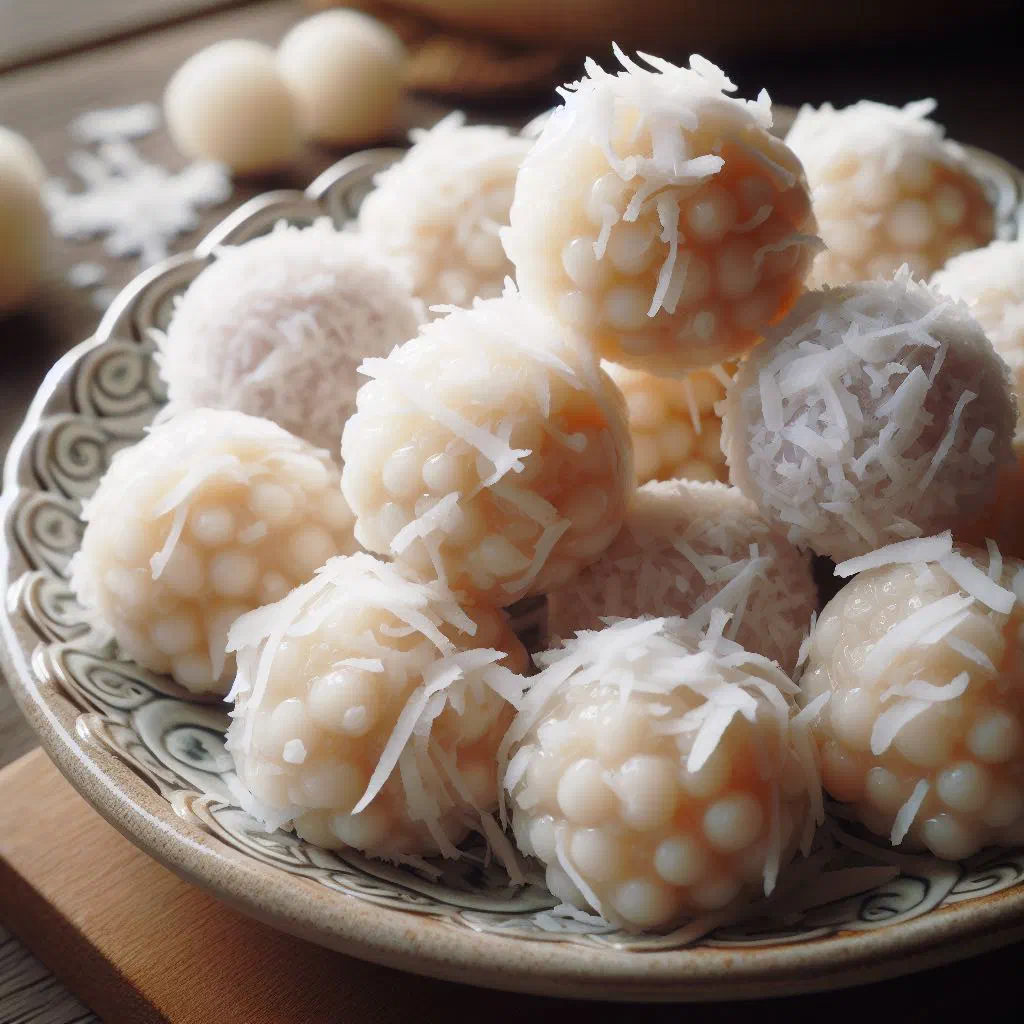
Meet Kanom Tom, a charming little Thai treat that appeals to the eye as much as the palate. These soft sticky rice dumplings hide a sweet, fragrant coconut filling and are often wrapped in glossy green pandan leaves for an unmistakably exotic flourish. Equally at home as a snack or a dessert, they are a familiar sight at Thailand’s lively street markets. Let the gentle sweetness and tropical aromas of this Thai delicacy win you over.
About Kanom Tom
Kanom Tom is a traditional Thai dish that impresses with its flavour and with its striking appearance. These delicate rice dumplings are filled with an aromatic coconut paste and often presented in a fresh pandan leaf, which lends them an exotic touch. They make the perfect snack or dessert and are a popular choice at street markets across Thailand. Allow yourself to be charmed by the variety and the flavours of this Thai speciality, which sits proudly within the wider world of Thai cuisine.
Ingredients (serves 1–2)
- 200 g glutinous (sticky) rice
- 100 ml coconut milk
- 50 g sugar
- 1 tsp salt
- 2 tsp pandan extract, or 2 fresh pandan leaves
- 50 g freshly grated coconut
Shopping for the ingredients
The ingredients for kanom tom are available in most Asian grocery shops. When buying the glutinous rice, look for good quality to get the best results. Coconut milk is easy to find too, and fresh pandan leaves can often be picked up at Thai or South-East Asian markets. If you struggle to track down particular items, online shops can be a handy alternative.
Preparing the dish
To prepare kanom tom, begin by soaking the glutinous rice in water for at least four hours, or overnight. This ensures the rice reaches just the right consistency. Next, prepare the sweet coconut filling by mixing the sugar with coconut milk and grated coconut. This gives the dish a sweet, creamy centre that pairs beautifully with the soft rice dumplings.
Step-by-step instructions
- Drain the soaked sticky rice well and mix it with the pandan extract.
- Lay a piece of pandan leaf on a clean surface and spoon a little of the rice mixture on top.
- Place a small amount of the coconut paste in the centre of the rice.
- Wrap the rice around the filling and fold the pandan leaf into a neat parcel.
- Steam in a steamer for around 20 minutes, until the dumplings are firm but still tender.
Gluten-free / lactose-free version
Kanom tom is naturally gluten-free and lactose-free, since the main ingredients are sticky rice and coconut milk. Just make sure the sugar and any other ingredients are also free from gluten to guarantee perfect tolerance. These qualities make kanom tom a popular choice for anyone with food intolerances, much like the naturally gluten-free Khanom Krok Bai Toey.
Tips for vegans and vegetarians
Thanks to its plant-based ingredients, kanom tom is wonderfully suited to vegans and vegetarians. You can adapt the recipe to suit different tastes, for example by using less sugar, or by adding fresh ingredients such as fruit as an extra topping. This helps bring out the natural flavours and creates a lighter, healthier version. Kanom tom is delicious and a creative vegan dessert for anyone eating plant-based.
More tips and tricks
To make your kanom tom dumplings even tastier, try adding healthy extras such as sesame seeds or peanuts. These bring extra crunch and more flavour. While steaming, experiment with different aromatics, kaffir lime leaf or lemongrass, for instance, to achieve a distinctive taste. And when it comes to serving, enjoy the dumplings warm: that is when they release their finest aromas.
Adapting the recipe to your taste
Kanom tom is endlessly adaptable. If you like to experiment, you can swap the coconut filling for other ingredients such as mango purée or chocolate sauce. This opens up countless possibilities for interesting flavour combinations. A touch of food-safe natural colouring can also make the dish even more appealing.
Ingredient substitutions
If you have trouble sourcing certain ingredients, there are plenty of alternatives. In place of glutinous rice you could try quinoa, though this will change the texture of the finished dish. For the filling, experiment with dried fruit or nuts to add more variety. See which combinations work best for you, and never be afraid to try something new, much as you might when reinventing a Khanom Mo Kaeng.
Drink pairing ideas
To enjoy your kanom tom all the more, pair it with a refreshing drink. Thai iced tea or freshly squeezed lime juice go beautifully with this dessert and complement its sweet flavours. A matcha tea can be an interesting choice too, adding a hint of bitterness that harmonises nicely with the sweetness of the dumplings. Experiment with different drink options to round off the experience.
Serving and presentation ideas
An attractive presentation can heighten the enjoyment of kanom tom even further. Use pretty plates or bowls to serve the dumplings in an inviting way. Decorate the dish with fresh herbs or edible flowers for a colourful touch. Small dishes of dips or accompaniments can lighten up the presentation, too. Turn your dessert into a real centrepiece that appeals to your guests.
A bit of history
Kanom tom has a long tradition in Thai cooking and is often served at special occasions and festivals. The pairing of sticky rice and coconut milk has its origins in rural Thailand, where these ingredients were plentiful. Today, kanom tom is loved across many regions of the country and treasured for its exquisite combination of flavours and textures. It tells the story of Thai culture and a deep love of delicious food, a heritage it shares with sweets like Khanom Pang.
More recipe ideas
Summary: Kanom Tom
Kanom tom is a true highlight of Thai cuisine, captivating with its sweet filling and unmistakable aroma. These little rice dumplings offer a delicious taste and an intriguing history and cultural significance. If you would like to bring a little piece of Thailand into your own kitchen, this is a recipe well worth trying, let yourself be tempted by its flavours and textures. A treat for all the senses, and a must not just for lovers of Thai food.