National Dish Thailand: Kao Neow (Recipe)
In this article
Say hello to Kao Neow, the steamed glutinous rice that sits at the very heart of the Thai table. More than just a side dish, it is a little taste of Thai culture in every bite, soft, springy and pleasantly chewy, with a gentle sweetness drawn from coconut milk. This humble rice brings a slice of Thailand straight into your kitchen.
About Kao Neow
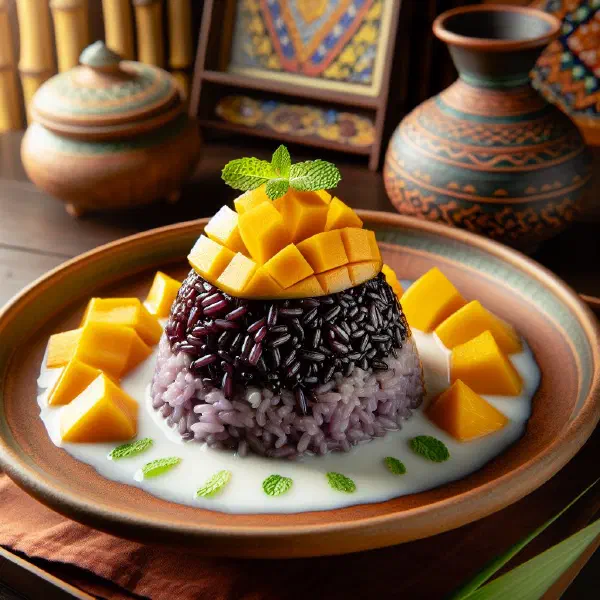
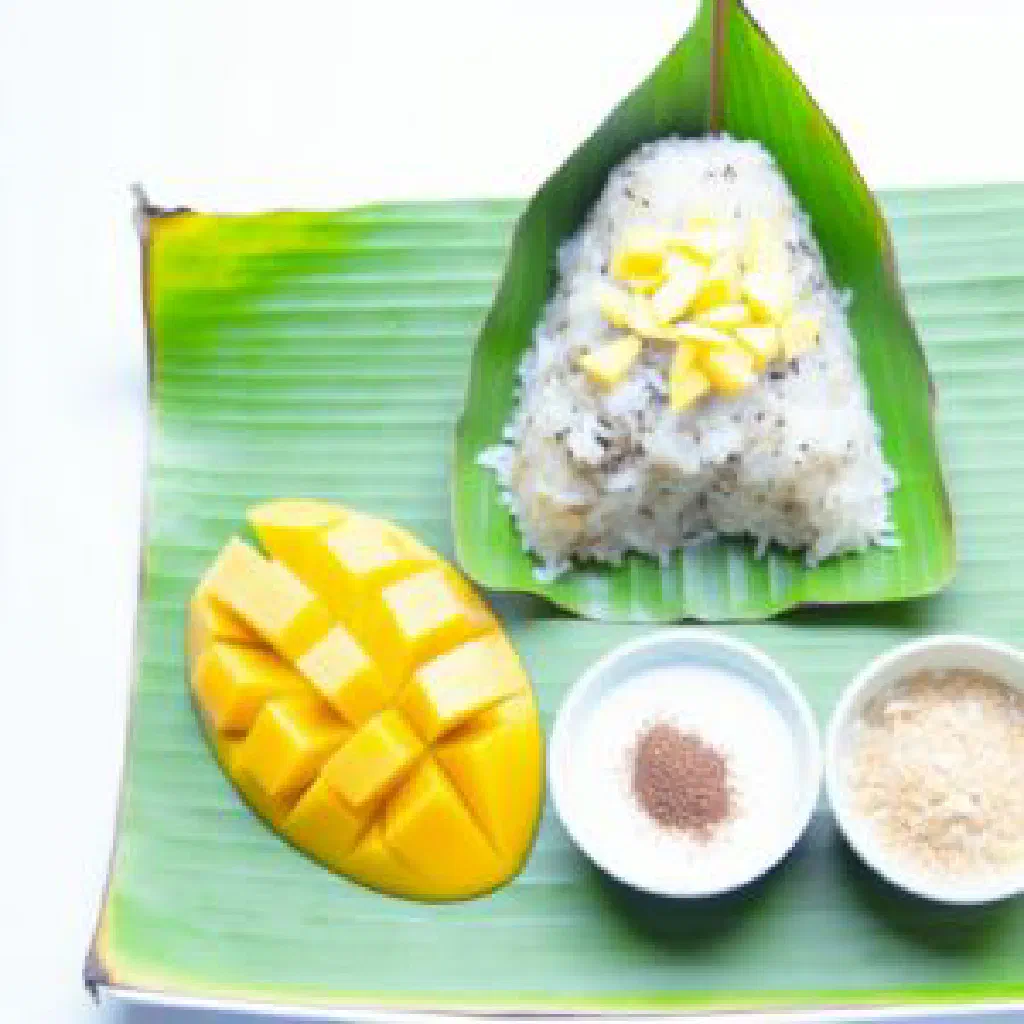
Kao Neow is far more than a simple bowl of rice. It is an experience of Thai culture. The glutinous rice is steamed rather than boiled, which gives it the characteristic chewy, slightly sticky texture that defines the dish. Cooked with coconut milk and a pinch of salt, it can be served either savoury or sweet, and it is wildly popular across the country. The pairing with fresh fruit such as mango, or its role as an accompaniment to hearty savoury dishes, makes Kao Neow an indispensable part of Thai gastronomy.
Ingredients (serves 1–2)
- 200 g glutinous (sticky) rice
- 400 ml coconut milk
- 1–2 tablespoons sugar
- 1/2 teaspoon salt
- 1 ripe mango (optional)
Shopping for the ingredients
The ingredients for Kao Neow are widely available in supermarkets and Asian grocery stores. Glutinous rice and coconut milk are the two main components and are usually easy to find. Be sure to choose genuine Thai sticky rice, as this is what gives the dish its ideal consistency. If you are serving it with mango, look out for ripe, sweet fruit to round the dish off, the same care you would take when picking produce for a fresh Yam Talay.
Preparing the dish
Before you start cooking Kao Neow, rinse the glutinous rice well and leave it to soak overnight. This helps the grains absorb the moisture they need so they reach the perfect consistency when steamed. Make sure all your other ingredients are prepared and to hand so the cooking process runs smoothly. It is also worth setting up a steamer basket or a suitable steamer ahead of time so the rice can cook through evenly.
Step-by-step instructions
- Spread the soaked glutinous rice evenly in a steamer basket.
- Set the basket over boiling water and steam the rice for around 30–40 minutes.
- Meanwhile, warm the coconut milk in a small saucepan and stir in the sugar and salt until everything is well combined.
- Once steamed, tip the rice into a bowl and gently pour the coconut milk over it.
- Leave it to rest for at least 15 minutes so the rice can soak up the coconut milk.
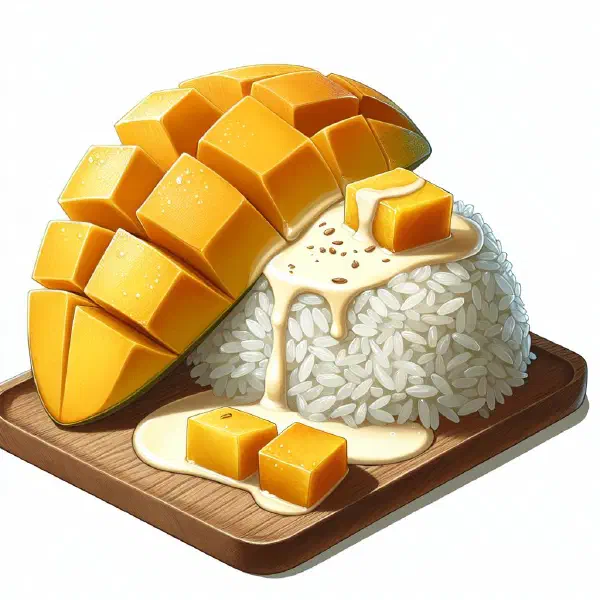
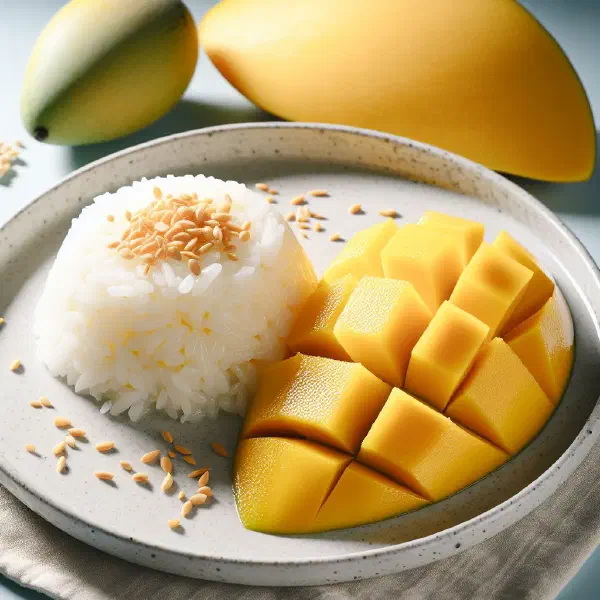
- Serve the Kao Neow warm, either on its own or with fresh mango.
Gluten-free / lactose-free version
One of the great advantages of Kao Neow is that the dish is naturally gluten-free, provided you use gluten-free ingredients throughout. For a lactose-free version, simply use coconut milk, which contains no lactose at all. This makes Kao Neow an excellent choice for anyone with special dietary needs. Do take care to check your ingredients carefully to make sure they contain no hidden allergens.
Tips for vegans and vegetarians
Kao Neow is naturally vegan and vegetarian, as it contains no animal products whatsoever. It is a tasty and nourishing option for anyone who prefers plant-based food. To make the dish even more varied, you can choose different fruits or add extra toppings such as sesame seeds or toasted coconut flakes. Experiment with different textures and flavours to create your own personal favourite.
More tips and tricks
Patience is key when making Kao Neow, especially while steaming the rice. Well-cooked glutinous rice should be sticky yet still pleasantly grainy. If you would like the rice to be even more fragrant, add a little vanilla extract or a few pandan leaves while it steams. Play with these small adjustments to refine the rounded flavour of Kao Neow to your liking.
Adapting the recipe to your taste
Kao Neow is easy to tailor to your own preferences. You can reduce the sugar, or leave it out altogether, if you prefer a less sweet version. Different fruits are a wonderful way to ring the changes too, instead of the classic mango you might use pineapple or papaya. Remember that the base of the dish, the glutinous rice, can always stay the same while the accompaniments change.
Ingredient substitutions
In some regions certain ingredients can be tricky to find. If you cannot get hold of coconut milk, alternatives such as soy or almond drink will give you a similar consistency. The sticky rice can also be swapped for other rice varieties, though this will affect the texture. A good rule of thumb is always to look for ingredients that offer a similar consistency or flavour, so you preserve the character of the dish, much as you would when balancing a Gaeng Massaman.
Drink pairing ideas
To round off the pleasure of Kao Neow, refreshing drinks are an excellent choice. A classic Thai iced tea or a homemade lemonade with fresh herbs pairs beautifully with this dish. If you fancy something with a little alcohol, try a light, fruity white wine or a Thai beer. These combinations bring out the flavours of the dish and lift the whole dining experience to another level.
Serving and presentation ideas
The presentation of Kao Neow can elevate the whole meal considerably. Serve the glutinous rice in bowls made from banana leaves, or decorated with fresh fruit, for an authentic look. A scattering of fresh herbs or toasted coconut flakes makes the dish attractive and adds to the flavour. Little touches like a special serving flourish help make your Kao Neow even more inviting.
A bit of history
Kao Neow has a long tradition in Thai cuisine and is often served at celebrations and special occasions. The glutinous rice has its origins in the north-eastern regions of Thailand, where it is regarded as a staple food. This rice is nutritious and carries cultural significance for the Thai people. Through its popularity, Kao Neow has spread well beyond Thailand’s borders and is now enjoyed internationally, a wonderful gateway into wider Thai cuisine.
More recipe ideas
Summary: Kao Neow
Kao Neow is a simple yet extraordinary dish that captures the essence of Thai cuisine. With just a handful of ingredients and a straightforward method, you can create an authentic taste experience that works equally well as a side dish or a dessert. Its versatility and adaptability make it ideal for any occasion. Let this delicious recipe inspire you and bring a little piece of Thailand into your own kitchen.