National Dish Thailand: Khanom Fak Bua (Recipe)
In this article
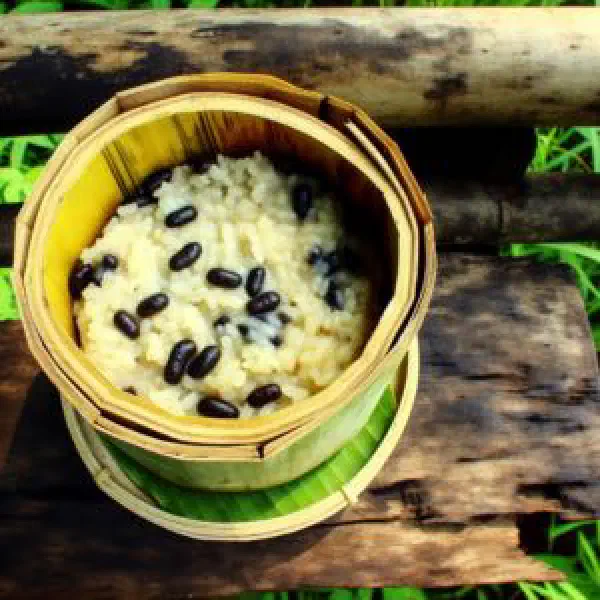
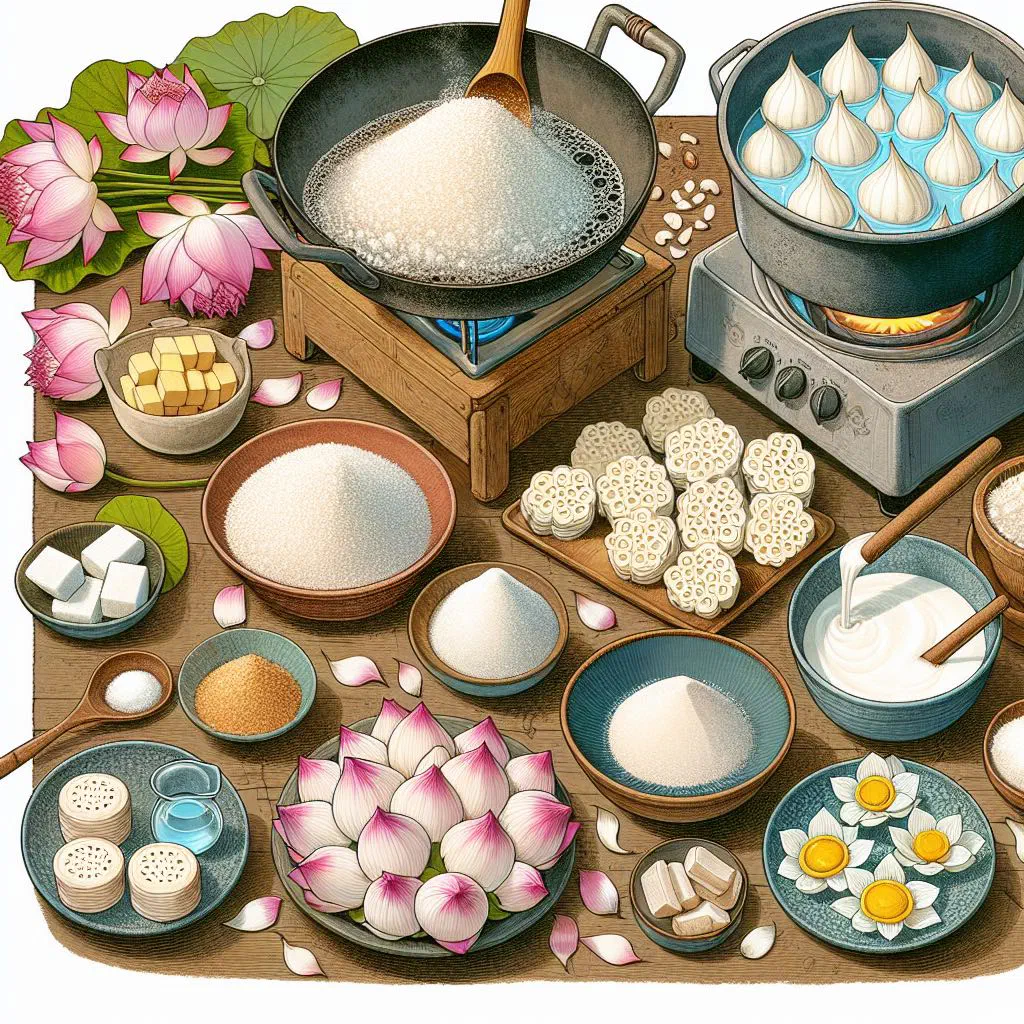
Meet Khanom Fak Bua, a gentle and fragrant Thai dessert that turns a handful of humble ingredients into something quietly magical. Tender sticky rice is folded through creamy, sweet coconut milk, then steamed inside lotus leaves that lend both an extra layer of aroma and a beautiful, natural wrapping. It is a sweet treat made for celebrations and special occasions, yet it is just as lovely on a relaxed evening at home.
About Khanom Fak Bua
It marries tender sticky rice with creamy, aromatic coconut milk to create a flavour experience all of its own. The dish is often steamed inside lotus leaves, which intensifies the aromas while making for a wonderfully elegant presentation. It works beautifully for festivals and special occasions, or simply as a delicious dessert to round off a cosy evening in.
Ingredients (serves 1–2)
- 100 g sticky rice
- 200 ml coconut milk
- 50 g sugar
- 1/4 teaspoon salt
- A few lotus leaves, for steaming
Shopping for the ingredients
The ingredients for Khanom Fak Bua are available in most Thai grocery shops or in supermarkets with a good international aisle. Be sure to choose good-quality sticky rice and fresh coconut milk, as both are crucial to the flavour of the finished dish. Asian and organic shops often stock special varieties that are perfect for the job. If you cannot find lotus leaves, any other steam-safe container will do the trick.
Preparing the dish
Before you start making Khanom Fak Bua, it is important to soak the sticky rice overnight. This softens the grains and makes them stickier, so they reach exactly the right texture once steamed. After soaking, drain the rice well and transfer it to a prepared container ready for steaming. This groundwork is key to achieving the full aroma and delicate texture of the dessert.
Step-by-step instructions
- Steam the soaked sticky rice until cooked through, which takes around 20–30 minutes.
- In a separate pan, gently heat the coconut milk, sugar and salt together until the sugar has dissolved.
- Combine the cooked rice with the coconut milk mixture and stir well.
- Spoon the mixture into the lotus leaves and place them in a steamer.
- Steam for a further 15 to 20 minutes, until the surface is set and glossy.
Gluten-free / lactose-free version
Because the main ingredients of Khanom Fak Bua are naturally gluten-free and lactose-free, this dessert is a wonderful option for anyone with particular dietary needs. Where extra care is required, reach for certified dairy-free coconut products to be sure. It is always worth checking your ingredients in advance to confirm they contain no hidden sources of gluten or lactose. The same naturally allergy-friendly approach shines in the rice-flour layers of Khanom Mo Kaeng.
Tips for vegans and vegetarians
Khanom Fak Bua is naturally vegan, making it a perfect choice for plant-based eating. Using coconut milk in place of cow’s milk turns it into a rich and satisfying dessert that vegans can enjoy without compromise. You can also swap in different plant-based sweeteners to adjust the sugar level. Feel free to experiment with aromatic additions such as pandan leaf or grated lime zest to discover new flavour notes.
More tips and tricks
For the best results with Khanom Fak Bua, it is important to keep the steaming temperature steady. Too much heat can dry the dessert out, while too little will spoil its texture. Drape a clean tea towel over the steamer so the moisture is distributed evenly. A little vanilla or nutmeg stirred into the mixture can also add an extra layer of flavour. These same gentle steaming habits pay off when making Khanom Krok Bai Toey.
Adapting the recipe to your taste
Khanom Fak Bua is easy to tailor to your own preferences. If you like things sweeter, simply increase the amount of sugar. Extra ingredients such as fresh fruit or nuts can be added to create interesting textures and boost the nutritional value. Feel free to play with spices and flavourings to create your very own version of the dessert.
Ingredient substitutions
If you struggle to find some of the ingredients for Khanom Fak Bua, there are several alternatives worth trying. The sticky rice, for example, can be replaced with jasmine rice, though this will bring a different taste and texture. Instead of coconut milk, you could use other plant-based milks such as almond or oat milk for a less rich result. Bear in mind that these swaps may alter the flavour profile of the original dish.
Drink pairing ideas
A sweet dessert like Khanom Fak Bua pairs beautifully with light teas or fruity lemonades. A freshly brewed jasmine tea harmonises wonderfully with the dessert’s creaminess and brings a refreshing note. Alternatively, you might serve a chilled glass of coconut water, which complements the dessert’s flavours while staying lovely and refreshing. A light sparkling wine or a fruity cocktail could also lend a festive touch.
Serving and presentation ideas
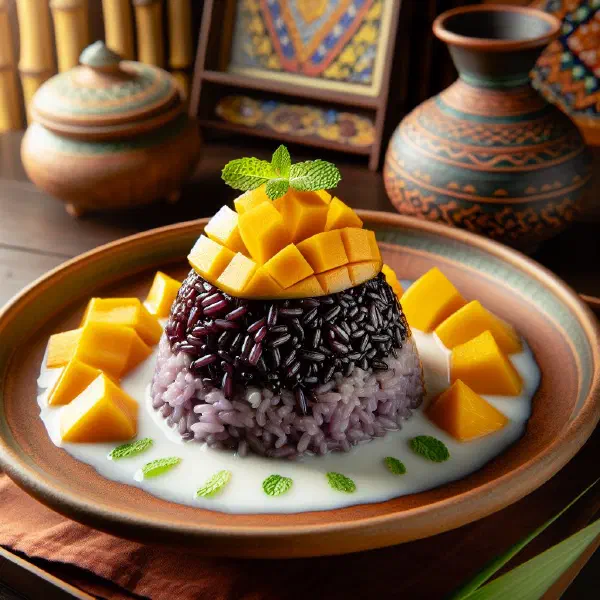
Presentation plays a big part when serving Khanom Fak Bua. You can present the dessert straight in its lotus leaves, which is both eye-catching and practical. A few fresh mint leaves or some edible flowers as a garnish give the dish a fresh, elegant finish. Do not forget to arrange the dessert on a pretty serving plate to show off the colours and texture of the Khanom Fak Bua.
A bit of history
Khanom Fak Bua has a long history within Thai cooking. It is a traditional dessert often enjoyed at festivities and ceremonies. The recipe has been passed down from generation to generation, with each family perhaps adding its own secret or personal touch. This dessert symbolises Thai craftsmanship and a deep love of sweet flavours and delicate textures, qualities that run right through Thai cuisine and its many steamed coconut sweets.
More recipe ideas
Summary: Khanom Fak Bua
In short, Khanom Fak Bua is a delicious and traditional Thai dessert made from tender sticky rice and aromatic coconut milk. It offers a unique flavour and a captivating presentation in lotus leaves. Whether for a festival or simply to enjoy at home, this dessert is very good for every lover of Thai cooking. Give it a go and let yourself be won over by its layered aromas and delicate texture.