National Dish Thailand: Khanom Farang Kudi Chin (Recipe)
In this article
Meet Khanom Farang Kudi Chin, a charming little sweet from Thailand that tells a story with every bite. These light, tender rice-and-coconut cakes are gently sweet, beautifully soft and steeped in a fascinating heritage. Born from the meeting of cultures along the Chao Phraya River, they have become a treasured part of festive tables. Easy to make yet quietly elegant, they bring a taste of old Bangkok straight to your kitchen.
About Khanom Farang Kudi Chin
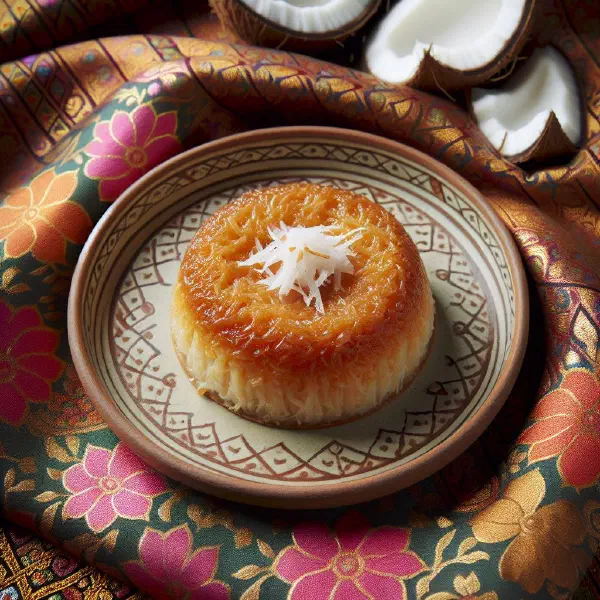
Khanom Farang Kudi Chin are delicate Thai rice-and-coconut cakes prized for their airy texture and refined sweetness. Originally inspired by Chinese settlers in Thailand, they grew over time into a genuine cultural phenomenon with a character all their own. This delicacy is not only a treat for the palate but a real pleasure for the senses. Thanks to their elegant presentation, they are also a favourite dessert at festive occasions.
Ingredients (serves 1–2)
- 1 cup rice flour
- ½ cup coconut milk
- ½ cup sugar
- 1 teaspoon baking powder
- 1 pinch of salt
- 1 cup water
Shopping for the ingredients
When shopping for the ingredients for Khanom Farang Kudi Chin, it pays to focus on the quality of what you buy. Try to choose fresh coconut milk, as it improves the flavour considerably. Rice flour is available in most Asian grocery shops and can often be found in several different grades. The choice of sugar matters too, an unrefined sugar can deepen the flavour and make the dessert truly distinctive.
Preparing the dish
The preparation for Khanom Farang Kudi Chin is straightforward, but it does take a few steps to reach the perfect consistency. Begin by gathering all the ingredients so the process runs smoothly from start to finish. It is important to combine the dry ingredients such as rice flour and sugar thoroughly before adding the liquids. This groundwork helps you avoid lumps in the batter and gives an even, reliable result.
Step-by-step instructions
- Combine the rice flour, sugar, baking powder and salt in a bowl.
- Gradually add the coconut milk and water, stirring well as you go.
- Let the batter rest for about 20 minutes.
- Fill a steaming dish and lightly grease it.
- Pour the batter into the dish and steam in a steamer for 20–25 minutes.
- At the end of the cooking time, transfer to smaller portions or moulds and leave to cool.
Gluten-free / lactose-free version
For a gluten-free version, simply make sure you use pure rice flour. Many commercial rice flours are naturally gluten-free, but it is wise to check the ingredients carefully. Coconut milk is lactose-free in any case, which makes this an ideal recipe for people with intolerances. These small adjustments mean everyone can enjoy this delicious dessert.
Tips for vegans and vegetarians
Khanom Farang Kudi Chin is naturally vegan, as long as no animal products are added. Take care to choose fully plant-based ingredients, especially when it comes to the coconut milk and the sugar. There is no need to leave out eggs or butter here, which makes this dessert especially easy for vegans. The blend of ingredients ensures it is wholly satisfying in both texture and taste.
More tips and tricks
To achieve the ultimate flavour experience, take care to follow the steaming time precisely. Steaming for too long can dry the dessert out, while too little time will stop it setting properly. Another tip is to serve the cakes with fresh fruit or a squeeze of lime juice for a refreshing contrast. This way Khanom Farang Kudi Chin becomes a feast for the eyes and uniquely flavoursome, much like the coconut-laced Khanom Krok Bai Toey.
Adapting the recipe to your taste
Khanom Farang Kudi Chin is wonderfully versatile and easy to tailor to your own preferences. If you like things a little less sweet, simply reduce the sugar; for a richer cake, lean a touch more heavily on the coconut milk. This way you can create a dessert that fits your taste exactly.
Ingredient substitutions
If you are dealing with allergies or particular preferences, several ingredients can be swapped with ease. In place of sugar, for example, you can use agave syrup or honey to adjust the sweetness. If rice flour is not available, oat flour can make an interesting alternative, though the texture may differ slightly. Experiment with different ingredients to find out which options work best for you.
Drink pairing ideas
Khanom Farang Kudi Chin goes beautifully with a wide range of drinks. Try it with a refreshing iced tea or a classic Thai iced coffee to complement the dessert’s gentle sweetness. Coconut water is also a perfect choice, as it echoes the coconut flavour in the cakes themselves. For a special occasion, you might even pair it with sparkling wine or prosecco, the lively fizz brings an intriguing note to the table.
Serving and presentation ideas
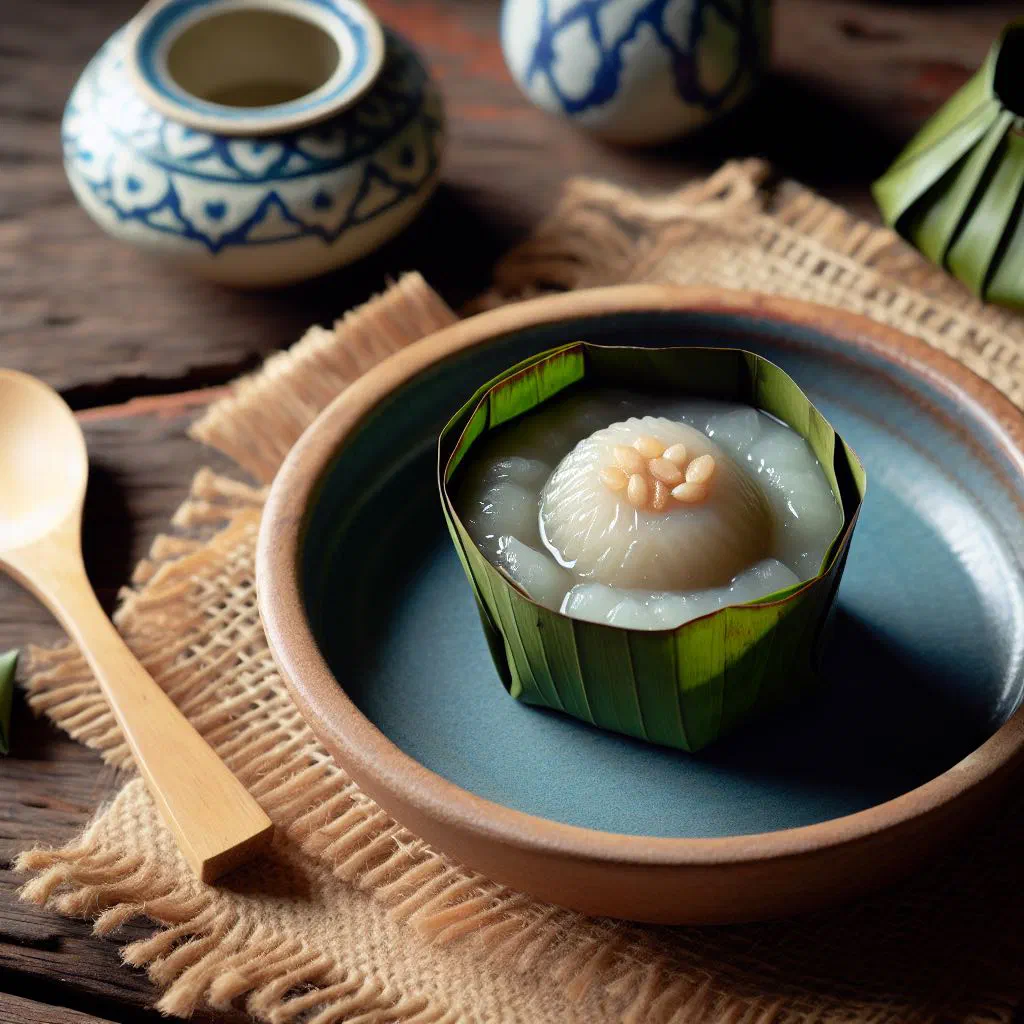
When you serve Khanom Farang Kudi Chin, the presentation is key. Use attractive plates or bowls and garnish the dessert with fresh fruit or a sprinkle of grated coconut. You can also add edible flowers for an extra visual touch. A simple yet stylish arrangement will make your guests all the more eager to enjoy these little cakes.
A bit of history
Khanom Farang Kudi Chin has a fascinating history and is a symbol of cultural blending in Thailand. Brought into the country by Chinese settlers in the historic Kudi Chin community of Bangkok, it quickly became part of Thai festive culture. The tradition of serving this dessert on celebratory occasions has been kept alive across many generations. The combination of rice, sugar and coconut milk reflects the variety and richness of Thai cuisine.
More recipe ideas
Summary: Khanom Farang Kudi Chin
To sum up, Khanom Farang Kudi Chin is an exquisitely crafted Thai dessert that appeals to in both flavour and appearance. With just a handful of ingredients and a few simple steps, it is wonderfully suited to any occasion. Thanks to its versatility and adaptability, this recipe can easily be reworked to suit different tastes. Savour the captivating mix of texture and flavour, and let the magic of Thai cuisine win you over.