National Dish Thailand: Khanom Mo Kaeng (Recipe)

In this article
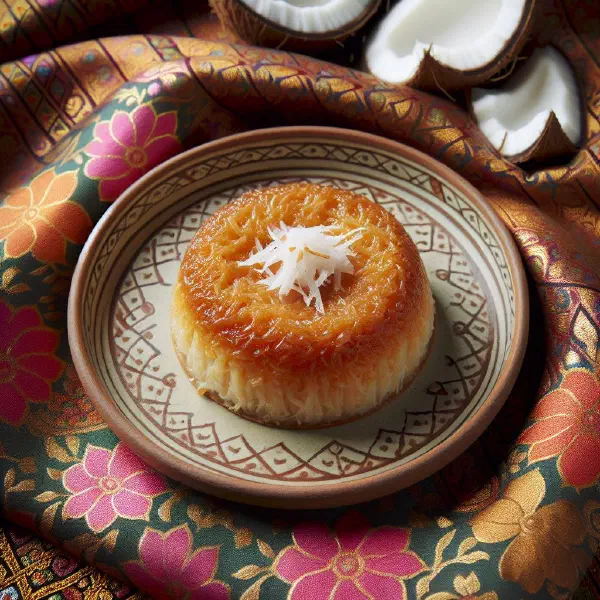
Step into the sweet side of Thailand with Khanom Mo Kaeng, a silky baked custard with a golden, gently caramelised top. Built on a simple base of mung beans, coconut milk and eggs, this royal-kitchen classic delivers a rich, pudding-like texture and a fragrant sweetness that feels both comforting and special. It is the kind of dessert that turns an ordinary afternoon into a small celebration.
About Khanom Mo Kaeng
Khanom Mo Kaeng is a traditional Thai dessert celebrated for its lovely balance of sweetness and texture. The dish has its origins in the royal kitchens of Thailand and, over time, has become a much-loved treat right across the region. Built on a base of pulses and coconut milk, it sets into a unique, custard-like consistency that is reminiscent of a baked pudding. Preparing it calls for care and attention to detail, which makes serving it a genuinely special culinary experience, one where the presentation matters just as much as the flavour.
Ingredients (serves 1–2)
- 200g mung beans (yellow and split)
- 200ml coconut milk
- 150g palm sugar
- 2 eggs
- 3 tablespoons vegetable oil
- 1 teaspoon salt
- Fried shallots, to decorate (optional)
Shopping for the ingredients
When shopping for the ingredients for Khanom Mo Kaeng, it is worth seeking out the best produce you can find. The mung beans should be split and yellow, as the unhulled kind have a stronger flavour and a different texture. Choose a coconut milk that is creamy and of good quality. Palm sugar gives the dessert its authentic sweetness and is readily available in Asian supermarkets. Pick fresh, good-quality eggs and a neutral vegetable oil, while salt and fried shallots round off the list and add an extra burst of flavour.
Preparing the dish
Preparing Khanom Mo Kaeng begins with soaking the mung beans. Leave them to soak in water for at least four hours, or ideally overnight, then rinse them thoroughly to remove excess starch and any impurities. Make sure all your other ingredients are ready to go: open the coconut milk, break the palm sugar into smaller pieces and set the eggs out. This little bit of groundwork makes the cooking process far easier and helps the dessert come together quickly and evenly.
Step-by-step instructions
- Cook the soaked mung beans in a pan until soft, then drain well.
- Blend the drained beans in a bowl until you have a smooth paste.
- Put the coconut milk and palm sugar into a pan and melt over medium heat, stirring constantly.
- Stir the mung bean paste into the coconut milk mixture and combine thoroughly.
- Beat the eggs in a separate bowl, then stir them into the bean and coconut milk mixture.
- Add the vegetable oil and salt and mix everything together well.
- Pour the mixture into a greased baking dish and bake at 180°C for 30 minutes, until the surface is golden brown.
- Optional: scatter with fried shallots and serve warm or cold.
Gluten-free / lactose-free version
Khanom Mo Kaeng is naturally gluten-free and lactose-free, since it contains no wheat products and no dairy milk. Even so, do check that all your ingredients are genuinely gluten-free, especially if you are using anything pre-packaged. For a reliably lactose-free result, simply use a pure, plant-based vegetable oil. Read the labels on every product carefully to make sure there are no hidden sources of gluten lurking in the mix.
Tips for vegans and vegetarians
To make Khanom Mo Kaeng fully vegan, you can replace the eggs with a mixture of ground flaxseed and water. Use 1 tablespoon of ground flaxseed to 3 tablespoons of water per egg, which gives the batter a similar binding quality. Chia seeds soaked in water work equally well as an alternative binder. With either swap, vegans can enjoy this delicious dessert without giving up on flavour or texture.
More tips and tricks
One extra tip when making Khanom Mo Kaeng is to dry-toast the mung beans before soaking them, which lends a richer, nuttier flavour. Just take care to toast them lightly rather than letting them burn. For an even creamier result, replace some of the coconut milk with coconut cream. The added cream gives a more velvety texture and deepens the coconut flavour throughout the dessert.
Adapting the recipe to your taste
The recipe for Khanom Mo Kaeng is easy to adjust to suit your own preferences. If you like things sweeter, simply add a little more palm sugar. For a more striking colour, you can stir in a pinch of turmeric or saffron. You can also play with the toppings: instead of fried shallots, try fried cashews or toasted coconut flakes, which bring an interesting texture and an extra layer of flavour to the dessert. A lighter custard such as Khanom Krok Bai Toey offers similar room to experiment.
Ingredient substitutions
If certain ingredients for Khanom Mo Kaeng are hard to find, there are a few easy alternatives. In place of palm sugar, you can use raw cane sugar or brown sugar; the flavour will be slightly different, but they still work well. If mung beans prove tricky to track down, yellow lentils make a good stand-in. They have a similar texture and a mild flavour that sits nicely alongside the rest of the ingredients. The same gentle sweetness shines in Khanom Pang.
Drink pairing ideas
A variety of drinks pair beautifully with Khanom Mo Kaeng. A traditional Thai iced tea (cha yen) rounds off the experience perfectly, its mild sweetness and creaminess harmonising with the dessert. For something more refreshing, serve coconut water or a light ginger drink. Both offer a pleasant contrast to the rich, creamy texture of the custard. These same cooling drinks work well after a savoury bite of Sai Krok Preow Wan.
Serving and presentation ideas
Thoughtful presentation can lift the enjoyment of Khanom Mo Kaeng considerably. Serve it in small, elegant dishes or on a pretty plate, decorated with a few fresh herbs such as mint or a small dollop of fresh coconut cream. You could also bake the dessert in a decorative dish and serve it straight from the oven. A delicate garnish, an exotic edible flower or a piece of fresh fruit, completes the look beautifully.
A bit of history
Khanom Mo Kaeng carries a deep cultural heritage and traces its roots to the royal Thai cuisine. It was once a dish reserved for kings and nobles, but over time it made its way into home kitchens and onto street stalls. The dessert symbolises the blending of tradition with modern influences. It is not merely a simple sweet, but a piece of Thai history served on a plate. The use of regional ingredients and traditional methods makes it a truly distinctive part of Thai cuisine.
More recipe ideas
Summary: Khanom Mo Kaeng
In short, Khanom Mo Kaeng is a delicious and versatile dessert from Thailand that impresses both in flavour and in cultural significance. The combination of mung beans, coconut milk and palm sugar creates a rich, creamy texture that is perfect for special occasions. With the right ingredients and a little patience, you too can enjoy this traditional Thai dessert at home. Whether vegan, gluten-free or lactose-free, Khanom Mo Kaeng has a delicious option for everyone.