National Dish Thailand: Khanom Thien (Recipe)
In this article
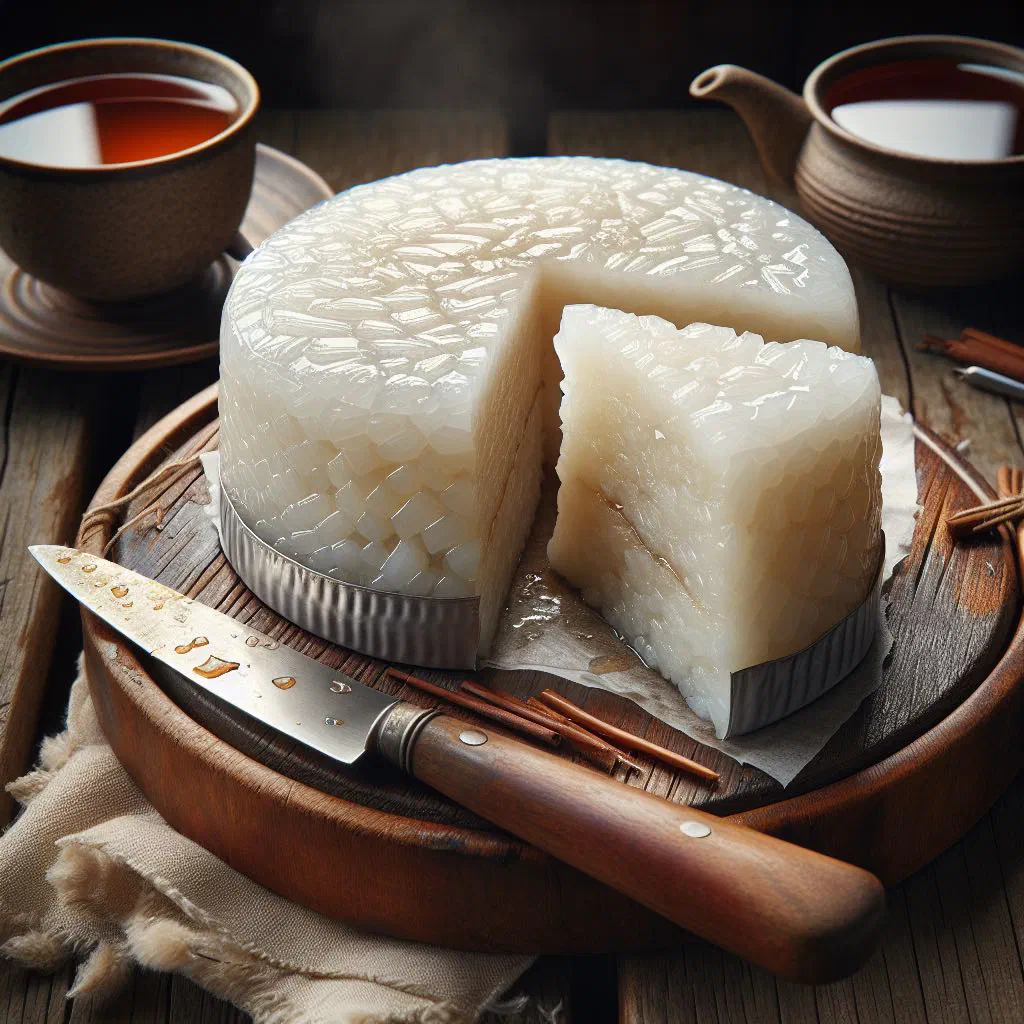
Discover Khanom Thien, a fragrant little sweet treat with roots in Thailand’s royal kitchens. These delicate sticky rice cakes are folded inside banana leaves and gently steamed, taking on a velvety coconut richness and a whisper of pandan perfume. Soft, subtly sweet and beautifully wrapped, they are a favourite at festivals and family gatherings alike. Bring a taste of traditional Thai celebration straight to your own kitchen.
About Khanom Thien
Khanom Thien is a traditional Thai dessert that traces its origins back to the royal courts. It is a delicate, sweet parcel often served at festivals and special occasions, beloved by locals and visitors in equal measure. The cakes are wrapped in banana leaves, which lend them an extra layer of fragrance as they steam. With its gentle flavour and tender texture, this little sweet has earned a lasting place in Thai dessert culture.
Ingredients (serves 1–2)
- 200g glutinous (sticky) rice
- 100g coconut milk
- 50g palm sugar
- 1 pinch of salt
- 2 pieces of banana leaf (about 20×20 cm each)
- 30g mung beans
- 1 tablespoon sesame seeds (optional)
Shopping for the ingredients
For the best results, choose good-quality glutinous rice, which is widely available in most Asian grocery shops. Palm sugar can be found in the same shops, or you can substitute brown sugar at a pinch. Try to buy fresh banana leaves if you can, as they bring out the authentic flavour and aroma of the dish. A little time spent sourcing the right ingredients pays off in the final taste.
Preparing the dish
Wash the sticky rice thoroughly and leave it to soak in water overnight. The mung beans should also soak for at least 4 hours. Cut the banana leaves into neat square pieces and briefly steam them to make them softer and easier to fold. This little step makes wrapping the rice much simpler later on and helps the parcels keep their shape.
Step-by-step instructions
- Drain the soaked sticky rice and dry-roast it in a pan without oil until it turns lightly golden.
- Heat the coconut milk and palm sugar in a pot until the sugar dissolves. Add a pinch of salt, then stir in the roasted rice and simmer until the liquid is fully absorbed.
- Cook the mung beans until soft, then drain them.
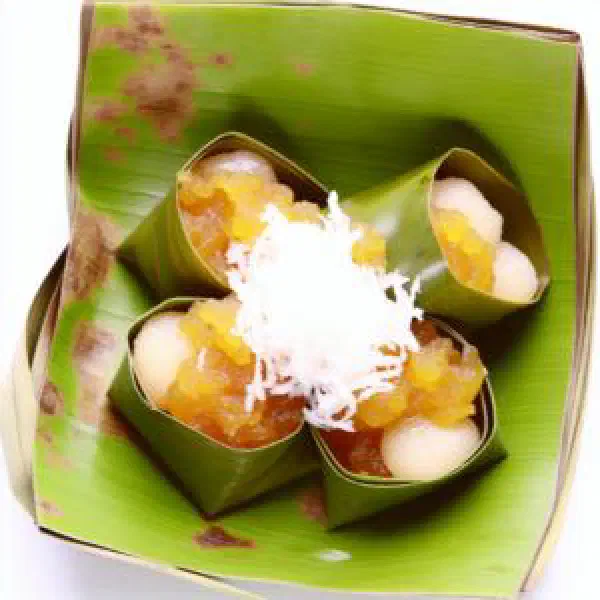
- Place a heaped tablespoon of the rice in the centre of each banana leaf, add a little mung bean, and fold everything into a small parcel.
- Steam the parcels in a steamer for about 30 minutes, until the rice is completely cooked through.
- If you like, sprinkle the finished parcels with sesame seeds before serving.
Gluten-free / lactose-free version
Khanom Thien is naturally gluten-free and lactose-free, which makes it a wonderful choice for many diets. Just take care that the coconut milk contains no additives that might introduce traces of lactose or gluten. Always check your ingredients carefully to be sure they suit a gluten-free and lactose-free way of eating, especially when using pre-packaged products.
Tips for vegans and vegetarians
This dessert is ideal for vegans and vegetarians, since every ingredient is plant-based. Coconut milk gives the cakes their creamy texture, while palm sugar provides the gentle sweetness. Feel free to add other plant-based extras such as roasted nuts or dried fruit to bring even more flavour and texture to each parcel. It is a naturally vegan treat that needs no adapting at all.
More tips and tricks
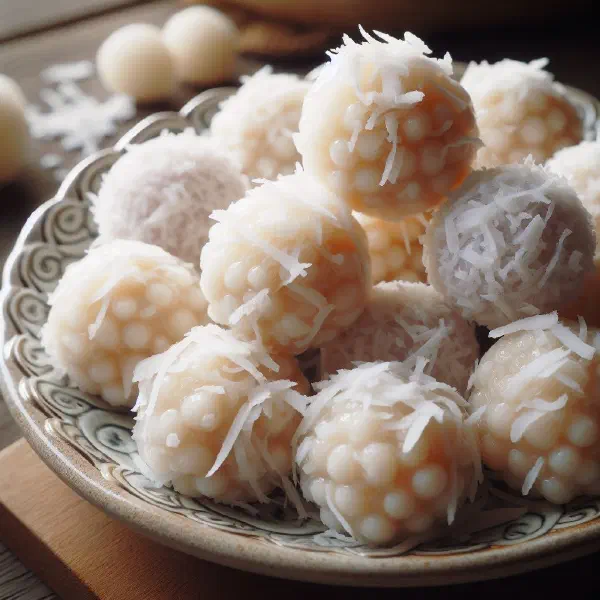
To ensure even cooking, try to make the banana-leaf parcels roughly the same size. If you cannot find fresh banana leaves, aluminium foil makes a practical stand-in. Wrap the parcels tightly so the steam cannot escape and the rice cooks evenly. A little grated fresh coconut folded into the mixture adds extra texture and a lovely depth of flavour.
Adapting the recipe to your taste
Khanom Thien is wonderfully flexible and easy to adjust to your liking. Want it sweeter? Simply add more palm sugar. For a more savoury take, wrap sautéed vegetables or cooked beans inside the leaves instead. Because the dish is traditionally steamed, you can also experiment with different aromatics and spices to make it your own, much in the spirit of Khanom Krok Bai Toey.
Ingredient substitutions
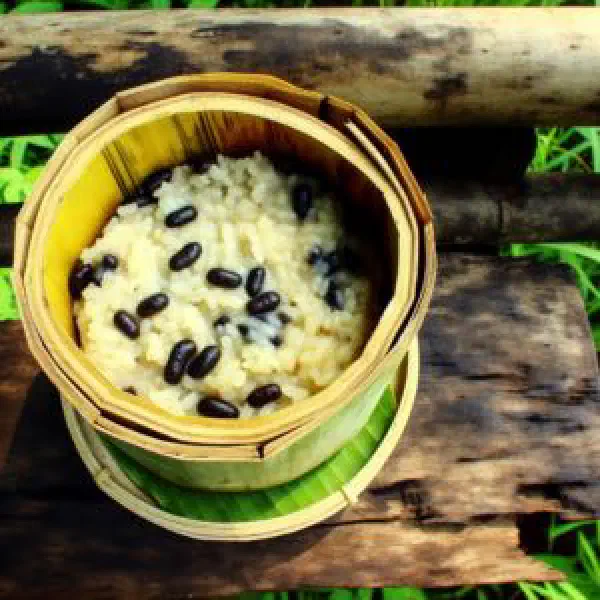
If certain ingredients are not to hand, there are easy alternatives. In place of palm sugar, you can use brown sugar or honey. If mung beans are unavailable, red beans or black beans work nicely too. And instead of fresh banana leaves, frozen leaves or even aluminium foil will do the job. These swaps make the recipe a forgiving one to attempt at home.
Drink pairing ideas
Khanom Thien pairs beautifully with a cup of green tea or ginger tea, both of which balance the dessert’s gentle sweetness. A glass of chilled coconut milk is another fine match, echoing the flavour of the rice itself. Experiment with different Thai drinks to find your favourite combination, just as you might alongside richer sweets such as Khanom Mo Kaeng.
Serving and presentation ideas
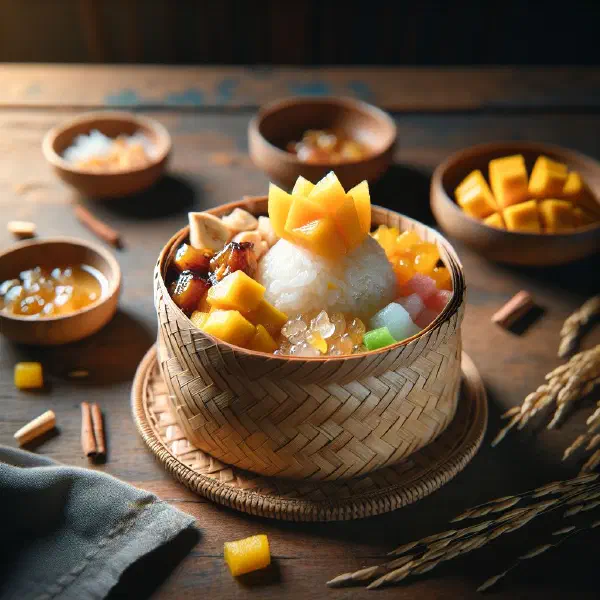
Presentation matters with Khanom Thien. Serve the cakes still in their wrapped banana leaves to preserve their authenticity and charm. You can add a small spoonful of coconut cream on top and garnish with a few roasted sesame seeds. A colourful plate of exotic fruit such as mango or papaya makes the spread even more inviting and rounds out a true taste of Thai cuisine.
A bit of history
Khanom Thien has a long tradition in Thai culture. The dessert was originally prepared in the royal houses of Thailand and today remains a fixture at many religious ceremonies and festivals. It symbolises prosperity and good fortune and is often offered at temples. Built from humble ingredients like sticky rice and coconut milk, it has steadily grown in popularity over the years to become a much-loved part of everyday celebration.
More recipe ideas
Summary: Khanom Thien
Khanom Thien is a unique and traditional Thai dessert that brings together simple yet high-quality ingredients for an unmistakable flavour and a soft, tender texture. Whether wrapped in banana leaves or sprinkled with sesame, these little parcels are a highlight on any table. Give them a try and let the gentle, fragrant charm of Thai sweets work their magic.