National Dish Thailand: Khao Pad (Recipe)
In this article
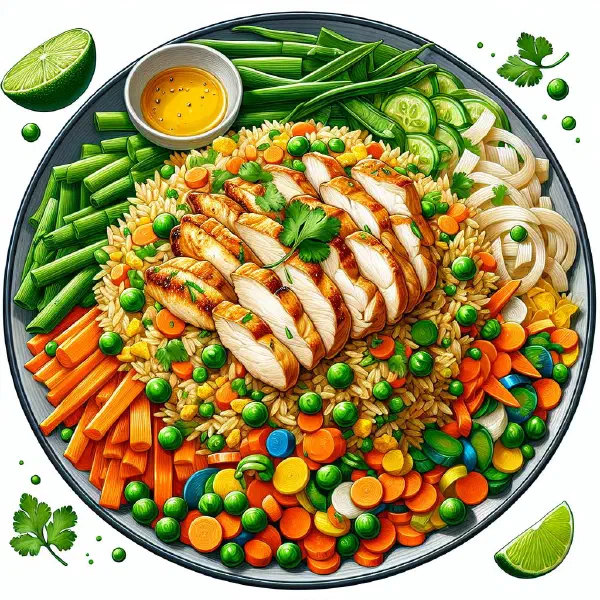
Say hello to Khao Pad, Thailand’s much-loved take on fried rice and one of the country’s most comforting everyday meals. Fragrant jasmine rice is tossed in a screaming-hot wok with garlic, tender chicken, egg and crisp vegetables, then balanced with a splash of soy sauce and a squeeze of lime. It is quick, endlessly adaptable and bursting with the sweet, salty, sour and spicy notes that define Thai cooking. Bring the buzz of a Bangkok street kitchen straight to your own hob.
About Khao Pad
Khao Pad, or fried rice, is one of the best-known and best-loved dishes in all of Thailand. Its origins lie in the thrifty habit of turning yesterday’s leftovers into something new, and today you will find it in every Thai kitchen. Prized for its versatility and rich flavour, it has earned its place as a national dish. What makes Khao Pad special is the perfect marriage of fragrant jasmine rice, fresh ingredients and a harmonious seasoning that brings the aromas of Thailand together on a single plate. It sits comfortably among the everyday stir-fries of Thai cuisine, where speed and balance matter just as much as bold flavour.
Ingredients (serves 1–2)
- 200 g jasmine rice (pre-cooked and cooled)
- 2 tablespoons vegetable oil
- 1 garlic clove, finely chopped
- 100 g chicken breast, cut into small pieces
- 1 egg
- 2 spring onions, sliced into thin rings
- 1 small carrot, cut into fine strips
- 50 g green peas (fresh or frozen)
- 1 tablespoon soy sauce
- 1/2 teaspoon sugar
- Juice of 1/2 lime
- A little fresh coriander, to garnish
- Chopped peanuts (optional)
- Chilli sauce or fresh chillies (to taste)
Shopping for the ingredients
When you shop, look out for good-quality jasmine rice, as it is the heart of the dish. For fresh produce such as carrots, peas and spring onions, a local market is a great place to start. If you can, pick up Thai soy sauces from an Asian supermarket, since these lend a more authentic flavour. A jar of chilli sauce and a handful of peanuts are worth grabbing too, as they make all the difference to the finished plate.
Preparing the dish
The key to perfect Khao Pad is using cooled, pre-cooked rice. Ideally, cook the rice a few hours ahead or use leftovers from the day before, which stops it turning sticky and gluey in the wok. Because the cooking itself is so quick, have everything ready before you start: chop the garlic, slice the spring onions and carrot, cut the chicken and measure out your seasonings. A tidy, well-organised work surface lets the whole stir-fry come together in minutes.
Step-by-step instructions
- Heat the oil in a wok or large frying pan over a high heat.
- Add the garlic and fry briefly until fragrant.
- Add the chicken pieces and stir-fry until almost cooked through.
- Push the meat to the side of the wok, crack the egg into the centre and scramble it quickly before mixing it in with the chicken.
- Add the cooled rice and stir-fry, keeping everything moving constantly.
- Stir in the carrot and peas and continue to cook until the vegetables soften.
- Season with soy sauce, sugar and lime juice, and toss everything together well.
- Finally, add the spring onions and stir-fry for one more minute.
- Garnish the finished dish with coriander, peanuts and, if you like, fresh chillies.
Gluten-free / lactose-free version
Khao Pad is naturally lactose-free, and it is easy to make gluten-free too. Simply swap the regular soy sauce for tamari or a certified gluten-free soy sauce, which keeps that deep, savoury note without the wheat. Check any chilli sauce you use, as some blends contain gluten as well. With those small changes, the dish suits anyone with a gluten intolerance while keeping every bit of its flavour.
Tips for vegans and vegetarians
Khao Pad adapts beautifully for plant-based eaters. Vegetarians can simply leave out the chicken or replace it with tofu, while vegans should also skip the egg and choose a soy sauce free of animal products. Take care to avoid hidden ingredients such as fish sauce or shrimp paste in shop-bought blends. Fresh vegetables and herbs are key to a satisfying result, so reach for seasonal produce wherever you can.
More tips and tricks
A strong heat source is essential to the success of Khao Pad. It allows the ingredients to cook quickly, keeping the vegetables crisp and giving the rice a lightly crunchy texture. Season with a careful hand and taste as you go to perfect that signature balance of sweet, salty, sour and spicy. Keep the rice moving in the wok so it sears rather than steams, and resist the urge to overcrowd the pan.
Adapting the recipe to your taste
Khao Pad is wonderfully versatile. Vegetarians can leave out the chicken or swap in tofu, while meat lovers might reach for prawns or pork instead, much like the popular Khao Pad Moo Sap made with minced pork. Experiment with other vegetables such as peppers or mangetout to create your own variations, and dial the chilli up or down to suit your spice tolerance.
Ingredient substitutions
If you do not have jasmine rice to hand, another long-grain rice will do the job. In place of soy sauce, fish sauce brings a more intense, savoury depth, while a spoonful of roasted chilli paste turns the dish into something closer to Khao Pad Nam Prik. Coriander is not to everyone’s taste; if you are among those who dislike it, simply leave it out or replace it with spring onion or Thai basil.
Drink pairing ideas
A light, fruity white wine or a cold lager makes an excellent partner for Khao Pad. Thai iced teas are another fine choice, their sweet and slightly bitter notes offering a refreshing contrast to the savoury rice. For something simpler, iced water with a wedge of lime or a chilled coconut drink keeps the meal light and cooling.
Serving and presentation ideas
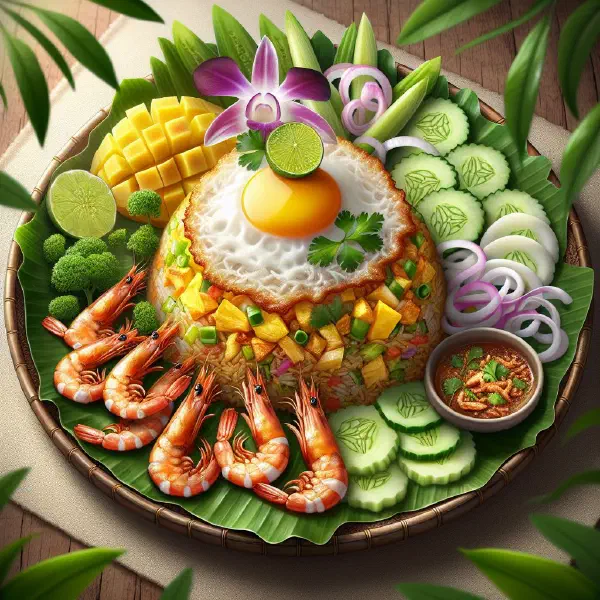
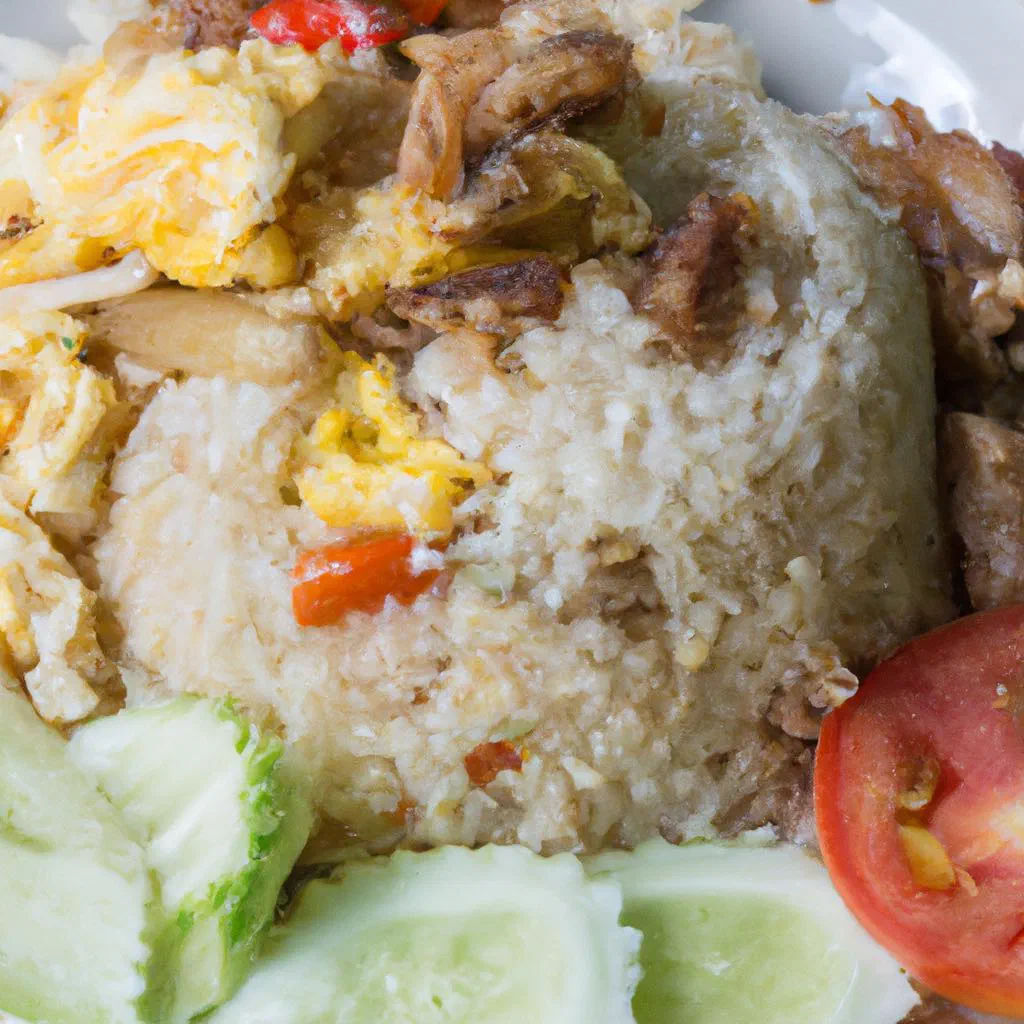
Serve Khao Pad in an elegant bowl, or press the rice into a small bowl and turn it out as a neat dome on the plate. Garnish generously with fresh herbs and tuck a lime wedge alongside for squeezing at the table. For extra visual appeal, edible flowers or a scattering of chopped peanuts make a pretty finishing touch. A few thin slices of cucumber on the side add freshness and colour.
A bit of history
The exact origins of Khao Pad are not documented, but it is widely accepted that fried rice arose across Asia as a clever way to use up leftovers. The Thai version stands out for its balance of sweetness, saltiness, sourness and heat, which sets it apart within the wider world of Asian rice dishes. Over time it has become a staple of home kitchens and street stalls alike, much like the comforting rice plates of Khao Mun Moo Dang.
More recipe ideas
Summary: Khao Pad
Khao Pad is a versatile, flavoursome and quick-to-make dish that captures the very essence of Thai cooking. With its balanced mix of protein, vegetables and carbohydrates, it is a complete meal that you can easily tailor to your own taste. Prawns or extra chilli, this Thai favourite rewards a little creativity. Give it a try and let the aromas of Thailand fill your kitchen.