National Dish Thailand: Kuay Teow Kua Gai (Recipe)
In this article
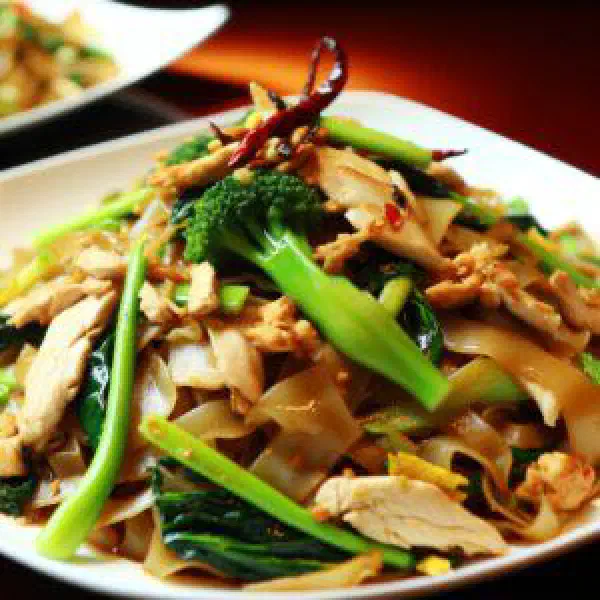
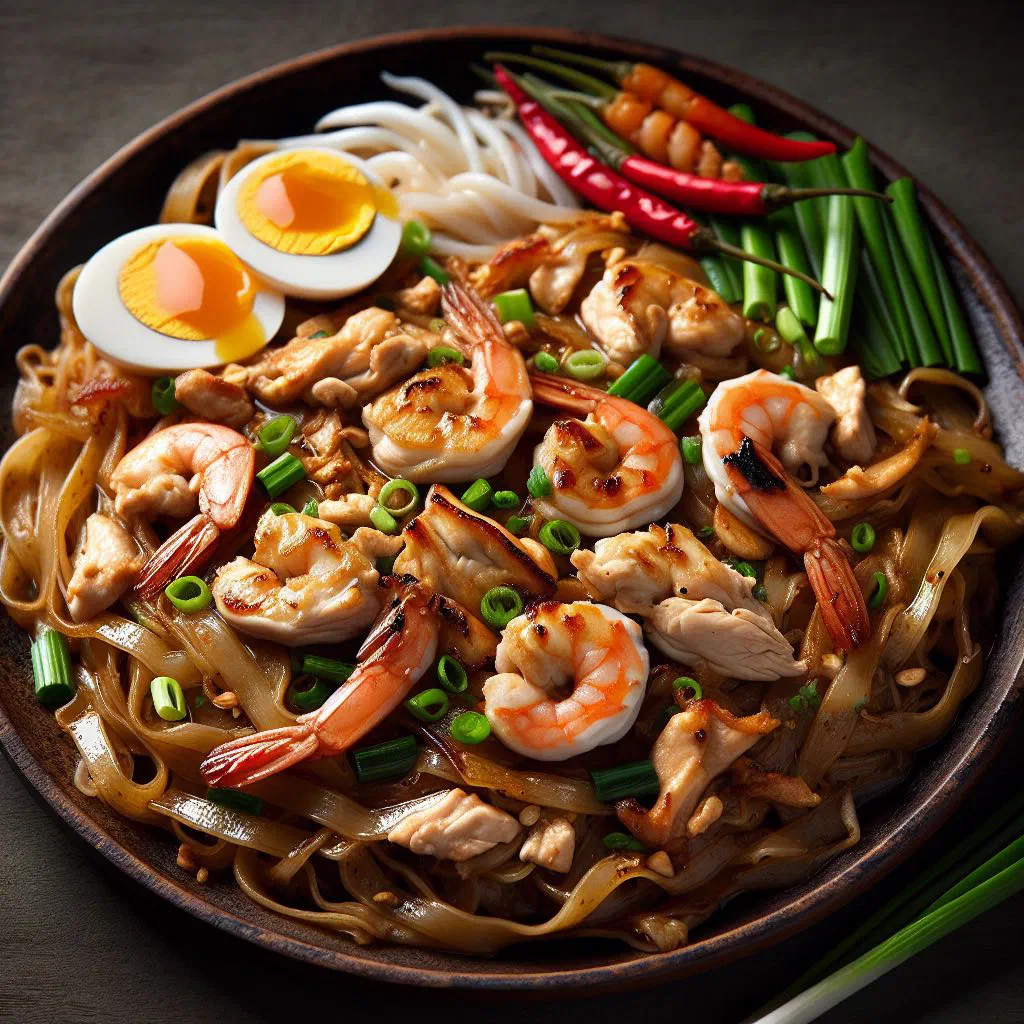
Say hello to Kuay Teow Kua Gai, a smoky, deeply satisfying noodle dish that captures the everyday brilliance of Thai cooking. Wide rice noodles are charred in a hot wok with tender chicken, fresh vegetables and a savoury splash of soy, building layer upon layer of flavour. Quick enough for a busy weeknight yet exciting enough to feel like a treat, it brings the buzz of a Bangkok street stall straight to your own kitchen.
About Kuay Teow Kua Gai
Kuay Teow Kua Gai is a traditional Thai noodle dish celebrated for its savoury, smoky flavours. At its heart are stir-fried rice noodles tossed with tender chicken, fresh vegetables and a generous splash of soy sauce. The contrast of soft noodles, crisp greens and golden, slightly charred edges makes every mouthful interesting. Ideal as a speedy supper or as a much-loved street-food classic, it puts the very essence of Thai cooking on the plate.
Ingredients (serves 1–2)
- 150 g rice noodles
- 200 g chicken breast, cut into strips
- 1 cup mixed vegetables (e.g. carrots, broccoli, peppers)
- 2 tablespoons soy sauce
- 1 tablespoon vegetable oil
- 1 garlic clove, chopped
- Fresh herbs to garnish (e.g. coriander)
- Chilli to taste (optional)
Shopping for the ingredients
When shopping for Kuay Teow Kua Gai, it is worth choosing fresh, good-quality produce to get the best results. The rice noodles are easy to find in Asian grocers or larger supermarkets, look for a variety well suited to stir-frying. Pick chicken that is fresh and of good quality, and seek out vegetables that are crisp and lively, as their freshness has a real impact on the final flavour. A quick trip to a market often turns up the brightest greens.
Preparing the dish
Preparing Kuay Teow Kua Gai is refreshingly straightforward and only takes a few steps. Begin by soaking the rice noodles in hot water, following the packet instructions, until they turn soft and pliable. While they soak, wash the vegetables and cut them into small, even pieces. Slice the chicken into bite-sized strips so it cooks through quickly and evenly once it hits the wok.
Step-by-step instructions
- Heat the vegetable oil in a large pan or wok over medium heat.
- Add the chopped garlic and fry briefly until fragrant.
- Add the chicken and cook until golden brown and cooked through.
- Stir in the prepared vegetables and fry for a few minutes.
- Add the soaked rice noodles and toss everything together well.
- Pour in the soy sauce and keep stirring until evenly combined.
- Serve hot, garnished with fresh herbs and chilli to taste.
Gluten-free / lactose-free version
If you need to avoid gluten or lactose, Kuay Teow Kua Gai adapts easily. Swap the regular soy sauce for a gluten-free version or tamari, or reach for coconut aminos, which offer a similar savoury depth. Since the dish contains no dairy, it is naturally lactose-free. Just double-check your chicken and vegetables for any hidden traces of gluten in pre-packaged products.
Tips for vegans and vegetarians
Kuay Teow Kua Gai is wonderfully easy to make vegan or vegetarian. Replace the chicken with tofu or tempeh for a plant-based protein that still soaks up all the flavour. Lean on soy sauce or coconut aminos to deepen the savoury notes, and add an extra handful of vegetables to make the dish even more generous and colourful. The result is just as satisfying as the original.
More tips and tricks
To get the very best out of this dish, a few tips and tricks go a long way. Cook everything over high heat so the ingredients sear rather than stew and gain those prized charred edges. A wok really comes into its own here, giving you the perfect stir-fry. Vary the vegetables with the seasons and your own tastes to keep things fresh and interesting from one cook to the next.
Adapting the recipe to your taste
Adapting Kuay Teow Kua Gai to your own preferences makes cooking it all the more enjoyable. Add more or fewer vegetables depending on what you fancy, and reach for chilli or a hotter soy sauce if you like a fiery kick. Experiment with different herbs and seasonings to bring new dimensions to the plate, much like the bold flavours you would find in a Pad Cha.
Ingredient substitutions
If certain ingredients for Kuay Teow Kua Gai are not to hand, there are plenty of alternatives. In place of chicken you could use beef, seafood or a plant-based option, and for the noodles you might switch to udon or soba. This flexibility makes the dish easy to tailor to different tastes and allergies, in the same adaptable spirit as a hearty Khao Pad Moo Sap.
Drink pairing ideas
To round off the flavours of Kuay Teow Kua Gai, the right drink makes all the difference. A tall glass of ice-cold Thai iced tea complements the dish beautifully. For an alcohol-free option, a zingy lime-and-mint mocktail is ideal, while those who prefer something stronger will find a lightly chilled beer or a fruity wine make excellent partners.
Serving and presentation ideas
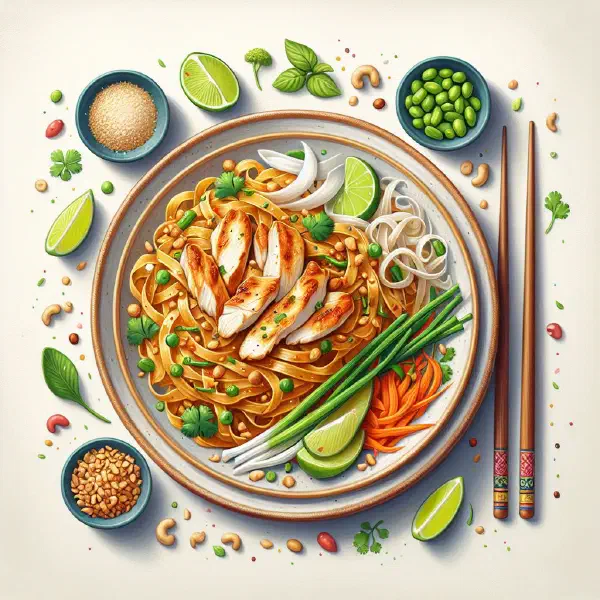
Thoughtful presentation can lift the whole Kuay Teow Kua Gai experience. Serve the noodles on bright, colourful plates to show off the vegetables, and scatter over fresh herbs and a few roasted peanuts for a pretty finishing touch. A couple of lime wedges on the side add a lovely contrast and give everyone the chance to freshen up the dish exactly as they like.
A bit of history
The roots of Kuay Teow Kua Gai run deep into Thai culinary tradition. The dish is believed to have grown up on the streets of Thailand, where it became a fast, nourishing favourite. Chinese influences have shaped the recipe over the years, giving rise to the aromatic, well-seasoned variations we know today. More than a quick meal, it reflects the culture and easy-going spirit of Thai cuisine, much like the comforting Khao Pad Sapparot.
More recipe ideas
Summary: Kuay Teow Kua Gai
In short, Kuay Teow Kua Gai is an essential part of Thai cooking, winning fans with its variety and layered flavours. It delivers a genuinely memorable taste experience. With so many ways to adapt it and so many cooking variations to try, it is easy to make this recipe your own. Let the flavours of Thailand sweep you away and savour a little piece of culinary culture.