National Dish Thailand: Massaman Curry (Recipe)
In this article
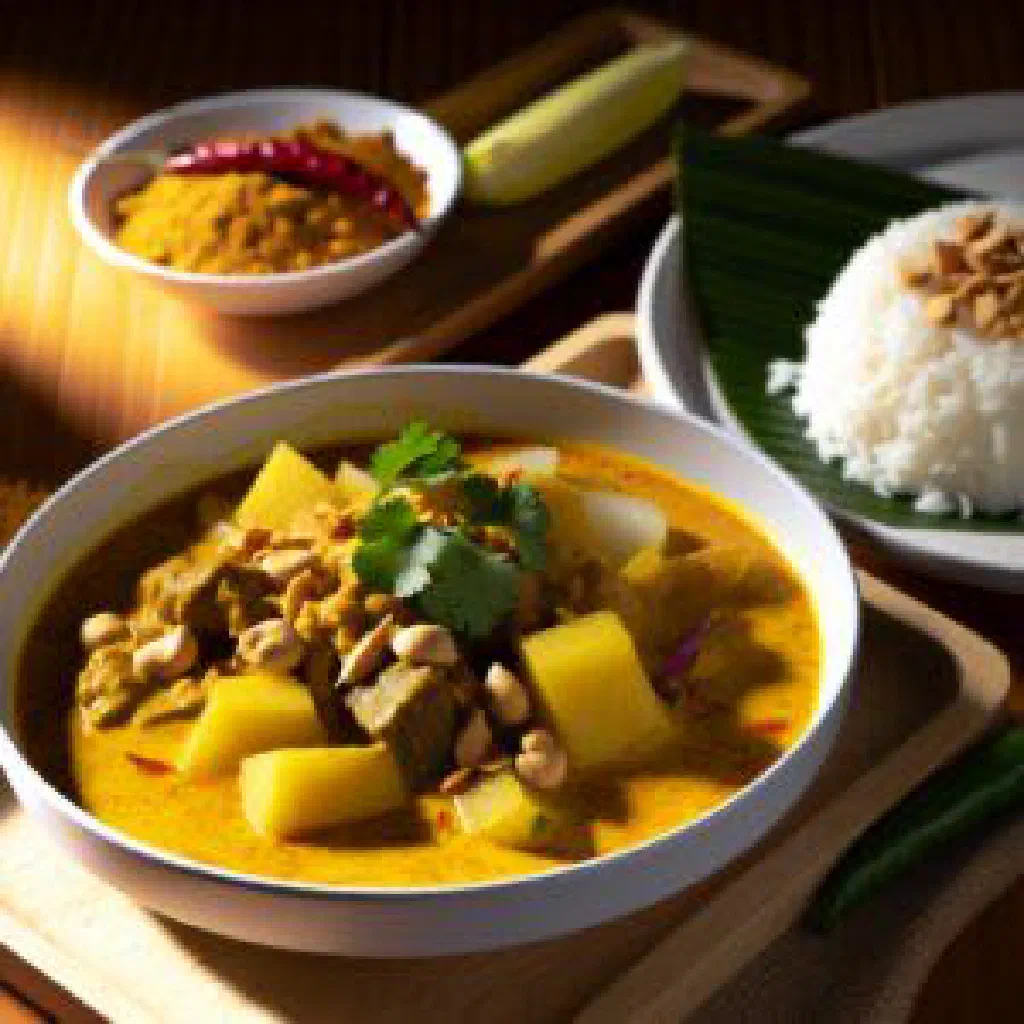
Discover Massaman Curry, one of Thailand’s most beloved dishes. This gently spiced curry brings together tender meat, soft potatoes and crunchy peanuts in a rich, creamy coconut sauce. With its warm, fragrant blend of spices, it offers a milder, more aromatic take on Thai cooking that wins over even those who prefer their food on the gentler side. Bring the soulful flavours of southern Thailand straight to your own kitchen.
About Massaman Curry
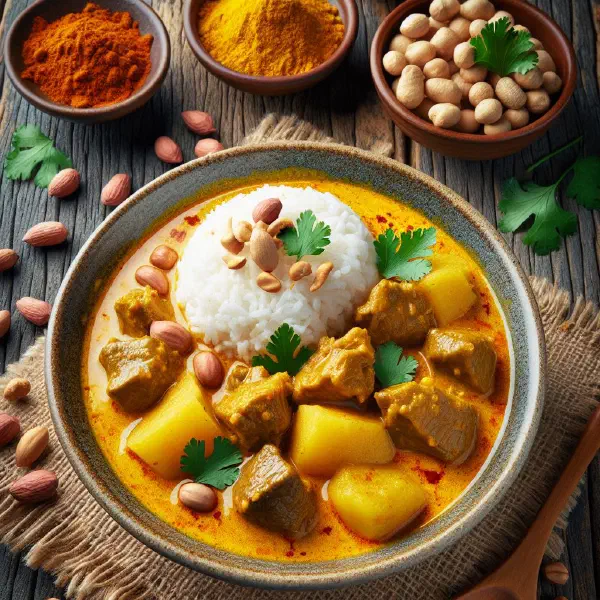
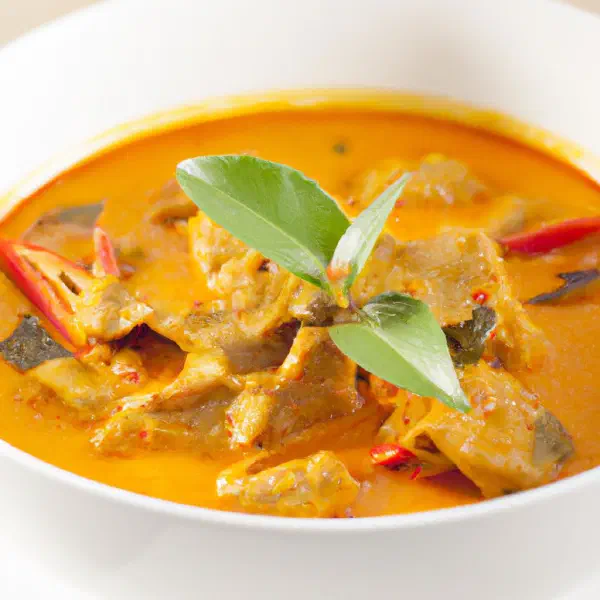
Massaman Curry is a traditional Thai dish prized for its spiced and creamy texture. It counts among the oldest and most versatile curries in Thailand and brings together a range of culinary influences. In its classic form it is cooked with meat, usually beef or chicken, along with potatoes and a generous variety of spices. The key feature that sets Massaman Curry apart from other curries is the use of peanuts and warm, savoury spices. The same gentle, fragrant character defines its close relative Gaeng Massaman.
Ingredients (serves 1–2)
- 200g chicken breast or beef
- 2 medium potatoes
- 1 onion
- 2 cloves of garlic
- 400ml coconut milk
- 2 tablespoons Massaman curry paste
- 1 tablespoon fish sauce
- 1 tablespoon palm sugar
- 50g roasted peanuts
- Juice of one lime
- Fresh coriander leaves
Shopping for the ingredients
Fresh, high-quality ingredients are essential for a successful Massaman curry. Pay a visit to an Asian supermarket to track down authentic Massaman curry paste. Make sure that pantry staples such as fish sauce and palm sugar also come from authentic sources. Fresh peanuts and good-quality coconut milk make a real difference to both flavour and texture.
Preparing the dish
Cut the meat into bite-sized pieces and set it aside. Peel and dice the potatoes and the onion, then finely chop the garlic. Have all the remaining ingredients rinsed, measured and ready to hand, so the cooking process can run smoothly and quickly without any last-minute scrambling.
Step-by-step instructions
- Heat a little oil in a large pot and fry the curry paste until it becomes fragrant.
- Add the onions and garlic and sauté until translucent.
- Add the meat and brown it on all sides.
- Stir in the potatoes, coconut milk, fish sauce and palm sugar, then leave everything to simmer for around 30 minutes, until the potatoes are soft.
- Stir in the peanuts and lime juice and let the curry simmer for a further 5 minutes.
- Serve the curry hot, garnished with fresh coriander leaves.
Gluten-free / lactose-free version
Massaman curry is naturally gluten-free and lactose-free, as long as you make sure your fish sauce and curry paste contain no hidden additives. Read the labels carefully to rule out any concealed gluten or lactose. Because the sauce is built on coconut milk rather than dairy, this curry is an easy choice for anyone avoiding lactose.
Tips for vegans and vegetarians
For a vegan or vegetarian version, you can replace the meat with tofu or vegetables such as cauliflower, carrots and peppers. Use a vegan fish sauce or soy sauce as a substitute. The method stays the same throughout, and the result is every bit as delicious, much like the plant-friendly approach behind Pad Pak Bung.
More tips and tricks
For an extra layer of flavour, toast coriander seeds and cumin in a dry pan and grind them before adding them to the curry paste. Don’t be afraid to play with the amount of coconut milk either, depending on how rich you like your curry, you can add a little more or a little less to suit your taste.
Adapting the recipe to your taste
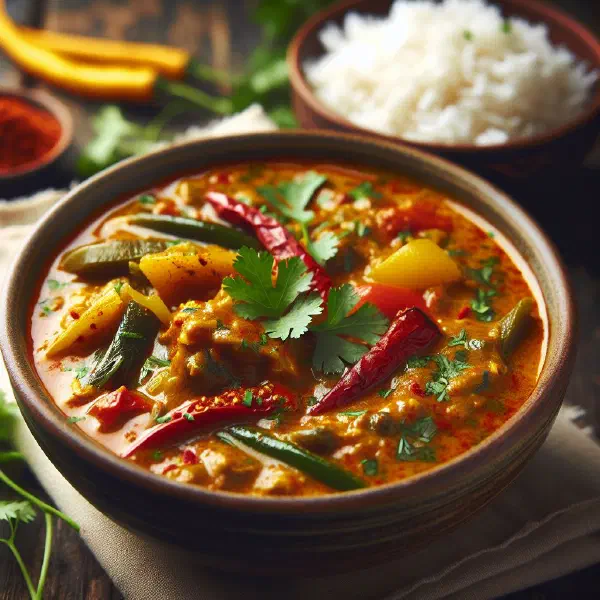
You can adjust the heat of the curry through the amount of curry paste you use. If you prefer things on the sweeter side, add a touch more palm sugar. Stirring in vegetables such as carrots and peppers also gives the dish more texture and colour, letting you tailor it exactly to your liking.
Ingredient substitutions
If you can’t get hold of palm sugar, brown sugar or coconut blossom sugar make fine replacements. Fish sauce can be swapped for soy sauce or tamari if you want a vegetarian or vegan variation. Peanuts can be exchanged for cashews, which lend the dish a slightly milder note, a swap that also works beautifully in a richly spiced Kaeng Ped.
Drink pairing ideas
A Thai iced tea or a light beer pairs wonderfully with Massaman curry. For non-alcoholic options, a refreshing lemongrass or ginger tea complements the curry’s warm, spiced flavour and rounds off the meal nicely.
Serving and presentation ideas
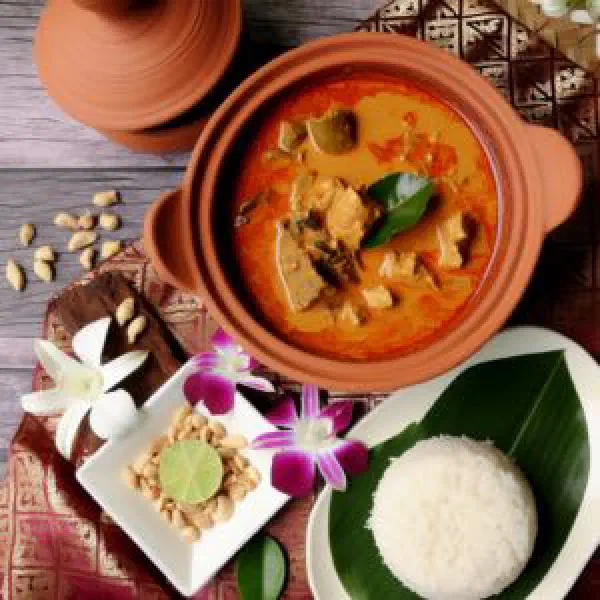
Serve Massaman curry in an attractive bowl and garnish it with freshly chopped coriander and lime wedges. The dish looks especially appetising alongside jasmine rice or basmati rice. Scatter a few roasted peanuts over the top to add a satisfying crunch, much as you might finish a plate of Khao Pad Moo Sap.
A bit of history
Massaman curry has its roots in southern Thailand and is heavily influenced by the cuisines of countries such as India and Malaysia. The name “Massaman” derives from “Mussulman”, the Thai word for Muslim, and reflects this cultural blending. The dish was originally served at celebrations and festive occasions, and today it enjoys great popularity around the world, a fine ambassador for the depth and variety of Thai cuisine.
More recipe ideas
Summary: Massaman Curry
Massaman curry is a versatile, deeply flavoursome dish that meat lovers and vegetarians alike can enjoy. With the right choice of authentic ingredients and a few simple tweaks, it adapts easily to a range of dietary needs. Whether gluten-free, lactose-free or vegan, this curry remains a genuine crowd-pleaser. Experiment with the spices and proportions to find your own perfect version of this classic Thai curry.