National Dish Thailand: Mee Kati (Recipe)
In this article
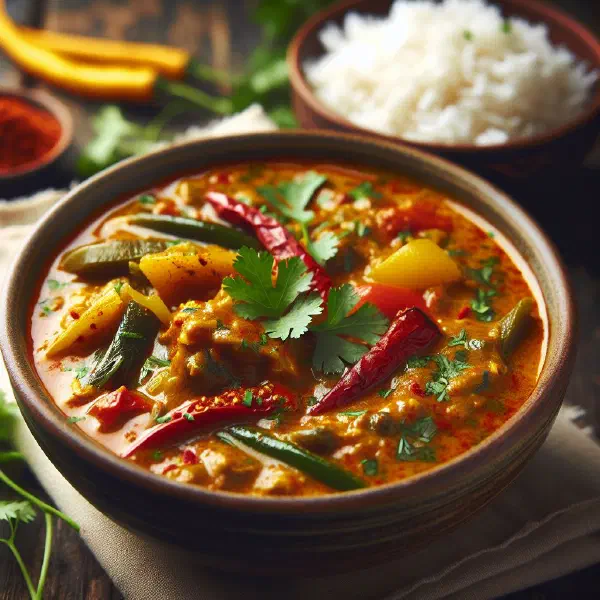
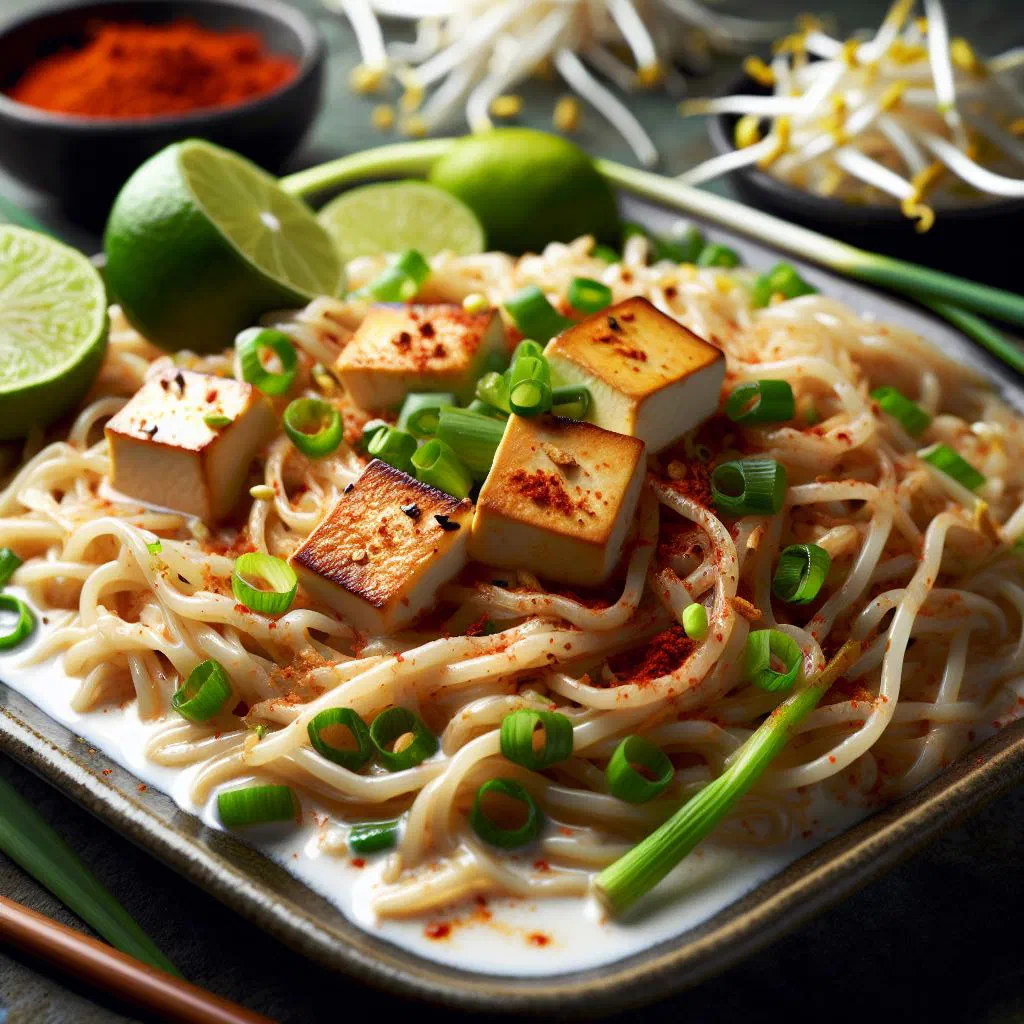
Say hello to Mee Kati, a comforting Thai noodle dish that captures the country’s love of bold, balanced flavour. Soft rice noodles are bathed in a fragrant sauce of fresh coconut milk and red curry paste, then finished with a bright squeeze of lime and a scattering of coriander. The result is a creamy, gently spiced bowl that walks the line between sweet and hot with effortless ease. Perfect for a relaxed supper or a special occasion alike.
About Mee Kati
Mee Kati is a classic Thai dish that perfectly reflects the culinary variety of Thailand. It is a hearty noodle creation that brings together several layers of flavour, building a truly distinctive taste experience from fresh coconut milk and aromatic spices. Those who know Thai cooking well prize the balance between sweetness and heat that defines this dish. Mee Kati is always an excellent choice.
Ingredients (serves 1–2)
- 200 g rice noodles
- 400 ml coconut milk
- 2–3 tablespoons red curry paste
- 1 tablespoon fish sauce (or soy sauce for a vegetarian option)
- 1 teaspoon brown sugar
- Fresh vegetables of your choice (e.g. peppers, broccoli)
- Fresh coriander, to garnish
- Lime juice, to taste
Shopping for the ingredients
For Mee Kati, it is worth seeking out the freshest ingredients to draw out the best flavour. Rice noodles are available in many supermarkets and Asian grocery shops, while coconut milk and red curry paste are often found in the international aisles. You can pick up fresh vegetables at a weekly market or your local supermarket. Choose good-quality produce wherever you can to get the most out of the finished dish.
Preparing the dish
Before you begin cooking Mee Kati, it pays to prepare all the ingredients in advance. Chop the vegetables into small pieces so they cook through evenly. Depending on the type, the rice noodles can be soaked in warm water, while the coconut milk and curry paste are combined in a separate bowl. This creates a harmonious base for the whole dish.
Step-by-step instructions
- Cook the rice noodles according to the packet instructions and set them aside.
- Add the coconut milk and red curry paste to a wok or large pan and heat over a medium flame.
- Stir in the fish sauce and sugar, mixing well until everything is fully combined.
- Add the chopped vegetables and let them simmer for a few minutes until tender.
- Add the pre-cooked rice noodles and toss everything thoroughly so the noodles soak up the sauce.
- Garnish with fresh coriander and lime juice, then serve.
Gluten-free / lactose-free version
Mee Kati is easy to adapt to particular dietary needs. To keep the dish gluten-free, make sure the fish sauce or soy sauce you use is certified gluten-free. For a lactose-free version, rely on coconut milk, which is naturally free from lactose. Just check that all the other ingredients are likewise free of gluten and lactose to get the best results.
Tips for vegans and vegetarians
There are plenty of ways to make Mee Kati suit a vegan or vegetarian diet. Swap the fish sauce for a good-quality soy sauce or tamari to keep that all-important umami depth. In place of chicken or beef, reach for extra vegetables or plant-based proteins such as tofu. These small changes guarantee a delicious result while preserving the essential flavours of Thailand.
More tips and tricks
A little experimentation can make Mee Kati even more interesting. Add a handful of chopped peanuts for extra crunch, or finish the dish with fresh Thai basil. An extra splash of lime juice brings a refreshing note that pairs beautifully with the rich coconut milk. Don’t be afraid to play with different spices until you hit on a balance that suits you.
Adapting the recipe to your taste
Mee Kati is easily tailored to personal preferences. If you like things hotter, stir in additional red curry paste or fresh chillies. For a milder bowl, hold back on the curry paste so the natural sweetness of the coconut milk can shine through. The choice of vegetables also lets you make the most of seasonal produce and keep the dish varied from one batch to the next.
Ingredient substitutions
If some of the ingredients for Mee Kati are not to your taste or hard to find, there are plenty of alternatives. You could swap the rice noodles for glass noodles, which are every bit as good, the same springy strands that work so well in Yum Woon Sen Goong Sod. For the curry paste, a homemade blend of turmeric, paprika and chilli does the job nicely. Get creative and experiment with whatever you have to hand.
Drink pairing ideas
A range of drinks pairs wonderfully with a dish like Mee Kati. A refreshing Thai iced tea or a fruity lemonade can complement the flavours on the plate. Alternatively, a chilled beer, particularly a light lager, is a popular match for Asian dishes. For non-drinkers, coconut water is a refreshing and fitting option that heightens the tropical feel of Thailand.
Serving and presentation ideas
Thoughtful presentation can lift the Mee Kati experience considerably. Use the bright colours of fresh herbs and vegetables to garnish the dish attractively. Serve it in a rustic bowl and add a wedge of lime along with a few coriander leaves as decoration. These simple but effective touches make the meal tastier and more inviting to the eye.
A bit of history
The roots of Mee Kati run deep through Thai culture. The dish is thought to have been inspired by the cultural influences of Thailand’s multicultural society, shaped over time by Chinese, Indian and Malay cooking among others. The use of coconut milk and curry is typical of southern Thai cuisine. That makes Mee Kati far more than a meal. It is a culinary experience that mirrors the history and diversity of Thai cuisine.
More recipe ideas
Summary: Mee Kati
In short, Mee Kati is far more than just a dish; it is plenty of flavour that captures the cultural influences and the diverse cuisine of Thailand. With its delicious combination of rice noodles, coconut milk and generously used spices, it strikes the perfect balance between sweetness, heat and creaminess. Whether for a simple supper or a festive gathering, Mee Kati is a dish well worth trying.