National Dish Thailand: Nam Wa Hohm (Recipe)
In this article
Discover Nam Wa Hohm, a fragrant Thai rice dish that brings together fresh aromatics and warming spices in one comforting bowl. Creamy coconut milk, a hit of red curry paste and crisp, colourful vegetables are spooned over fluffy jasmine rice for a meal that feels both indulgent and wholesome. This is an easy way to bring authentic Thai flavours to your own kitchen.
About Nam Wa Hohm
Nam Wa Hohm is a traditional Thai dish celebrated for its distinctive taste and its bright, fresh aromas. This delicious rice dish brings together carefully chosen ingredients that reflect the heart of authentic Thai cooking while delivering a beautifully balanced flavour. Nam Wa Hohm is a perfect choice for anyone keen to start a culinary adventure. Let it inspire you and dive into the wonderful world of Thai flavours.
Ingredients (serves 1–2)
- 1 cup jasmine rice
- 200 ml coconut milk
- 1 small onion, chopped
- 2 cloves garlic, crushed
- 1 teaspoon red curry paste
- 1 cup vegetables of your choice (e.g. peppers, broccoli)
- Fresh coriander leaves, to garnish
Shopping for the ingredients
To prepare Nam Wa Hohm, it is best to gather your ingredients at an Asian grocery or in the international aisle of a well-stocked supermarket. The jasmine rice gives the dish its unmistakable fragrance, while the coconut milk lends a smooth, creamy texture. The red curry paste brings the essential warmth and depth, and fresh vegetables add welcome crunch and nutrients. Choose the freshest produce you can find to get the very best flavour from this dish.
Preparing the dish
Before you start cooking Nam Wa Hohm, it is important to prepare all your ingredients first. Wash the vegetables thoroughly and cut them into bite-sized pieces. Chop the onion and crush the garlic cloves so they are ready to go. Be sure to rinse the jasmine rice well to remove excess starch, which helps you achieve a lighter, fluffier result.
Step-by-step instructions
- Cook the jasmine rice according to the packet instructions.
- Heat a little oil in a pan and fry the onion and garlic until golden brown.
- Add the red curry paste and fry briefly to release its aromas.
- Pour in the coconut milk and bring it up to the boil.
- Add the vegetables and let everything simmer for around 5 minutes, until the vegetables are cooked but still crisp.
- Spoon the sauce over the cooked jasmine rice and garnish with fresh coriander leaves.
Gluten-free / lactose-free version
Here is some great news for anyone with particular dietary needs: Nam Wa Hohm is easy to make gluten-free and lactose-free. The dish is naturally gluten-free as long as you make sure the rice and the curry paste contain no gluten ingredients. As it is built on coconut milk rather than dairy, it is also lactose-free by nature. Simply double-check your curry paste and any stock you use.
Tips for vegans and vegetarians
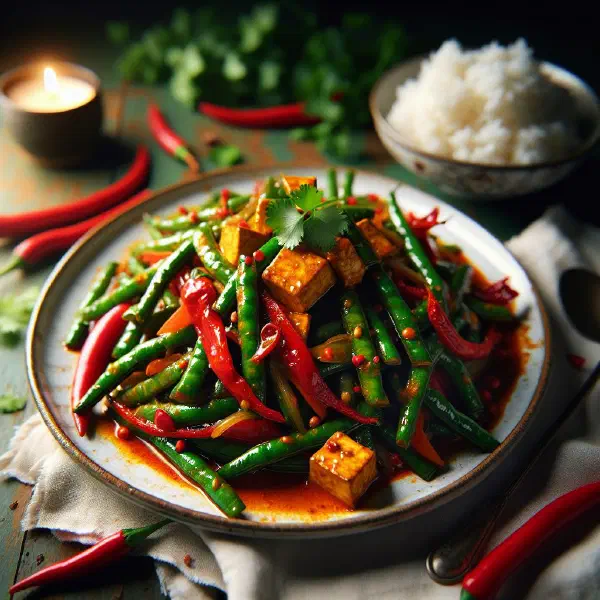
Nam Wa Hohm is already naturally vegetarian, which makes it a wonderful option for both vegetarians and vegans. Just take care that the curry paste you use contains no animal products such as shrimp paste or fish sauce. Adding cubes of tofu makes a great source of protein and enriches the dish even further. With a wider variety of vegetables you can vary the flavours and pack in extra nutrients too, much like a bright Pad Pak Bung.
More tips and tricks
To get the most out of your Nam Wa Hohm, a few handy tips and tricks go a long way. Experiment with whatever vegetables are in season for added freshness and new layers of flavour. The dish can also be enriched with prawns or chicken if you prefer a higher-protein version. You can adjust the amount of red curry paste to suit your own taste, dialling the dish up to fiery or keeping it gently mild.
Adapting the recipe to your taste
One of the best things about Nam Wa Hohm is how easily it adapts. Depending on your preference you can vary the ingredients however you like, from extra spicy to mild, from a thick sauce to a looser, soupier one. The dish is also a brilliant way to use up leftover vegetables, which is both eco-friendly and economical. Do not be afraid to get creative and make your own signature version.
Ingredient substitutions
If you do not have all the ingredients to hand, there are plenty of alternatives to fall back on. Jasmine rice, for example, can be swapped for basmati or sticky rice, the latter offering a similar texture. In place of coconut milk you could use regular milk or a surprising vegan alternative such as oat or almond drink for a little culinary fun. The key is to keep your own taste and preferences in mind so you can create the dish exactly as you like it.
Drink pairing ideas
A range of drinks pairs beautifully with Nam Wa Hohm and complements the dish’s spicy notes. A refreshing Thai iced tea or a fruity mango lassi makes the perfect cooling partner. Alternatively, a glass of light sparkling water is a lovely way to balance the spices and let the aromas shine through. For special occasions, a light, dry white wine such as a Sauvignon Blanc works wonderfully alongside this dish.
Serving and presentation ideas
Thoughtful presentation can take the Nam Wa Hohm experience to another level. Serve the dish in a large bowl, mounding the rice in the centre and spooning the vegetable curry sauce over the top. Decorate with fresh coriander leaves and perhaps a scattering of red chilli flakes for an inviting splash of colour. A handsome serving platter and careful arrangement go a long way towards making the dish a feast for the eyes as well as the palate.
A bit of history
Nam Wa Hohm has deep roots in Thai cuisine. The use of coconut milk and curry paste reflects the culinary influences of a region where rice is a staple of everyday life. This dish is a fine example of the local kitchen and a part of Thai culture, which places great value on fresh, wholesome ingredients. It is often served at festivals and special occasions to celebrate the beauty and variety of Thai cooking, much as a rich Gaeng Massaman takes pride of place at a celebration.
More recipe ideas
Summary: Nam Wa Hohm
Nam Wa Hohm is a delicious and versatile dish that brings the authentic taste of Thailand straight to your plate. With its combination of fresh ingredients and fragrant spices, this recipe creates a flavour experience like no other. Nam Wa Hohm offers a wonderful chance to explore the world of Thai aromas. Give it a try and let this good dish win you over.