National Dish Thailand: Pad Ma Kua (Recipe)
In this article
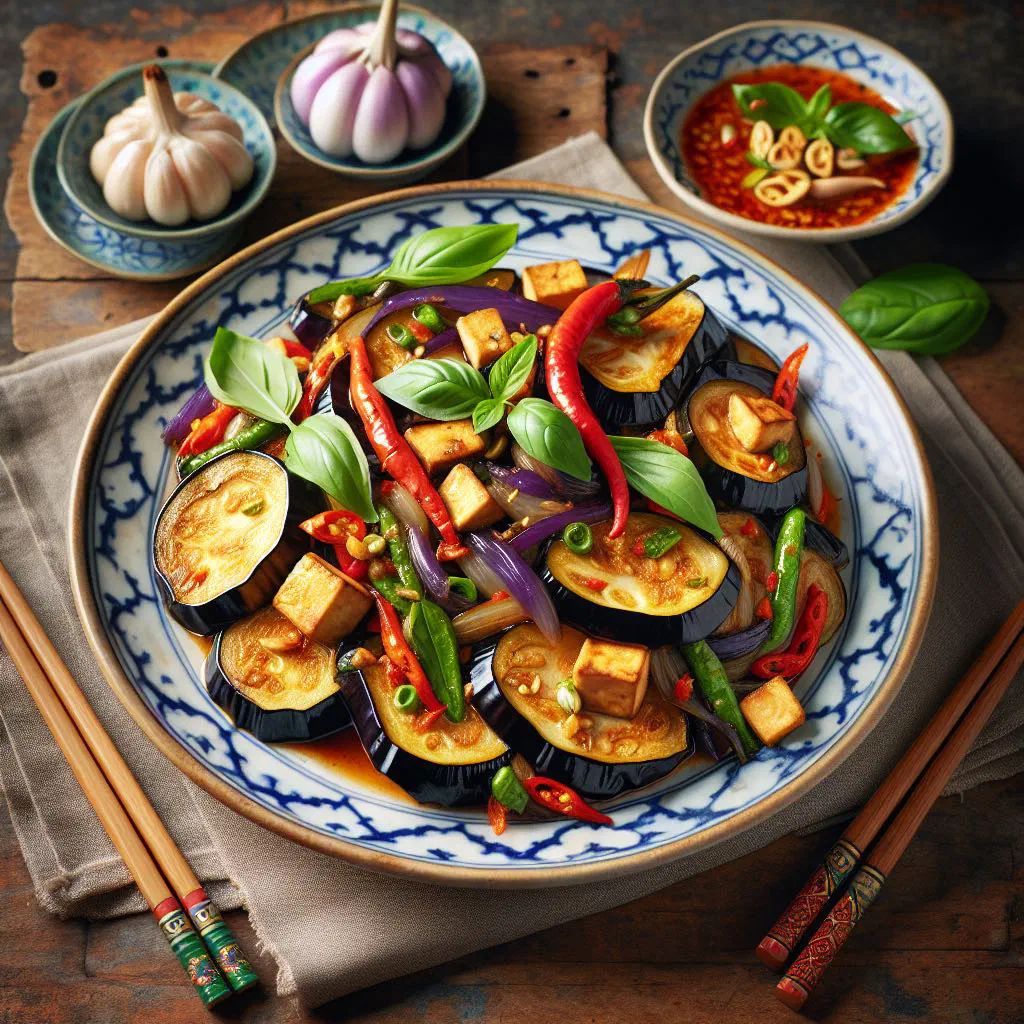
Meet Pad Ma Kua, a bright Thai stir-fry of silky aubergines and slippery rice noodles tossed with garlic, chilli and a savoury splash of sauce. It is the kind of dish that captures everything wonderful about Thai cooking: bold aromas, lively colours and fresh ingredients brought together in a single pan. This recipe is a delicious way to bring the buzz of a Bangkok street stall straight to your own kitchen.
About Pad Ma Kua
Thai cuisine is celebrated for its varied flavours and bright colours, and Pad Ma Kua is a brilliant example of both. Built around stir-fried aubergines, the dish marries fresh produce with fragrant aromatics that make it utterly moreish. The combination of soft aubergine, tender rice noodles and a punchy, savoury sauce delivers a hearty meal that is as satisfying as it is quick to put together. It is a recipe that takes your taste buds on a memorable journey, however much or little experience you have at the stove.
Ingredients (serves 1–2)
- 2 large aubergines
- 300 g rice noodles
- 3 cloves garlic
- 1 red chilli
- 2 tablespoons soy sauce
- 1 tablespoon fish sauce
- 1 teaspoon sugar
- Fresh vegetables (e.g. peppers, courgette, carrots)
- Fresh herbs (e.g. Thai basil or coriander)
- Oil, for frying
Shopping for the ingredients
To track down the best ingredients for your Pad Ma Kua, an Asian grocery is your best bet. There you will find fresh aubergines and the spices and sauces that give the dish its authentic character. Choose good-quality products, particularly when it comes to soy sauce and fish sauce, as they contribute so much to the overall aroma. If fresh herbs prove hard to find, dried alternatives will do at a pinch, though fresh herbs are always recommended for the brightest flavour.
Preparing the dish
Getting ready to cook Pad Ma Kua is straightforward, though it does call for a little care with the knife work. Begin by washing and cutting the aubergines into small pieces. Next, cook the rice noodles according to the packet instructions. While they soften, chop the rest of the vegetables into even pieces so everything cooks at the same rate. Mincing the garlic and chilli is just as important, as this releases the aromas that make the dish so distinctive.
Step-by-step instructions
- Heat the oil in a pan or wok over a medium heat.
- Add the chopped garlic and chilli and fry briefly until fragrant.
- Add the aubergine pieces and fry until soft and lightly browned.
- Stir in the chopped vegetables and continue to cook alongside the aubergine.
- Add the cooked rice noodles together with the soy sauce, fish sauce and sugar, then mix everything thoroughly.
- Cook for a further 2–3 minutes, until everything is well combined and piping hot.
- Garnish with fresh herbs and serve.
Gluten-free / lactose-free version
Pad Ma Kua is easy to adapt so that it is both gluten-free and lactose-free. In place of ordinary soy sauce, reach for gluten-free soy sauce or tamari, and double-check that your fish sauce is free from gluten-containing ingredients. When it comes to the oil, choose a neutral, plant-based option. With these simple swaps you can make sure the dish suits everyone at the table.
Tips for vegans and vegetarians
For a vegan version of Pad Ma Kua, swap the fish sauce for a plant-based option such as a little tamari or a mix of soy sauce and water. This keeps the salty savouriness that fish sauce usually provides. It is also worth leaning into fresh vegetables and herbs to highlight the vitality of the dish. With a generous mix of colourful produce, vegetarians and vegans alike can enjoy a truly special flavour experience, much like the meat-free greens in Pad Pak Bung.
More tips and tricks
To get the very best from your Pad Ma Kua, a few extra pointers go a long way. Try experimenting with different vegetables, or add a handful of nuts for crunch. For more heat, use a hotter variety of chilli or even a pinch of cayenne pepper. Good timing during the stir-frying ensures that all the ingredients cook evenly and the flavours have the chance to develop fully. Above all, taste as you go and adjust the seasoning so the dish lands exactly where you want it.
Adapting the recipe to your taste
The beauty of Pad Ma Kua is how easily it bends to different dietary needs and tastes. If you would like a little more protein, add tofu or tempeh, marinated and fried beforehand. Seafood lovers might fold in prawns or mussels, cooked in the pan alongside the aubergines, in the spirit of a dish like Goong Gratiem Prik Thai. The seasonings, too, can be added to or altered to suit your own palate and create your perfect plate.
Ingredient substitutions
Not every ingredient is stocked in every shop, but that need not hold you back. Aubergines can be replaced with courgette or snake beans if you fancy a lighter option. If you cannot find rice noodles, try courgette noodles or gluten-free pasta, both of which work nicely here. Soy sauce can give way to coconut aminos for a sweeter but equally tasty result. Bringing your own preferences to the ingredient list only makes the cooking more fun.
Drink pairing ideas
To round off the Pad Ma Kua experience, choose your drinks with care. A sweet, chilled jasmine tea is wonderful for balancing the flavours of the dish. Alternatively, a fruity wheat beer or a light white wine both underline the freshness of the vegetables. For an alcohol-free choice, a zingy lime lemonade or some coconut water makes a refreshing match that complements the aromas beautifully.
Serving and presentation ideas
Presentation is an important part of any meal and can lift the whole look of your dish. Serve Pad Ma Kua in a large, shallow bowl and garnish with a handful of fresh herbs. The lively colours of the vegetables and the glossy noodles really shine when plated on a white plate. A few slices of lime or a squeeze of lemon on top add both colour and an extra layer of flavour.
A bit of history
Pad Ma Kua is a traditional Thai dish often found at the country’s many street stalls. It reflects the diverse culinary influences of Thailand, shaped in part by neighbouring countries. Stir-frying vegetables and noodles is a common technique in Thai cuisine, one that celebrates the use of fresh, local ingredients. Historically, dishes like Pad Ma Kua show just how central the harmony of flavour and texture is to the cooking of this culture.
More recipe ideas
Summary: Pad Ma Kua
Pad Ma Kua brings the exquisite flavours of Thai cuisine straight to your table. The combination of stir-fried aubergines, fresh vegetables and savoury aromatics makes for an incomparable taste experience. Thanks to its flexibility, anyone can adapt this dish to their own preferences with ease. Pad Ma Kua is a delicious discovery that you really should not miss.