National Dish Thailand: Pad Mee Korat (Recipe)
In this article
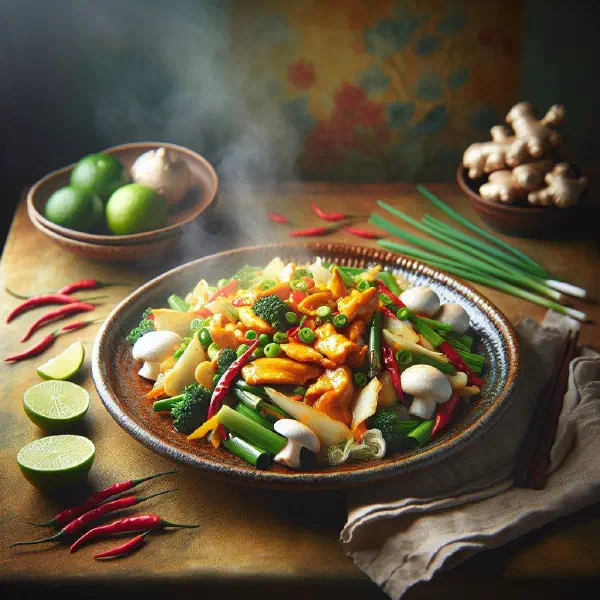
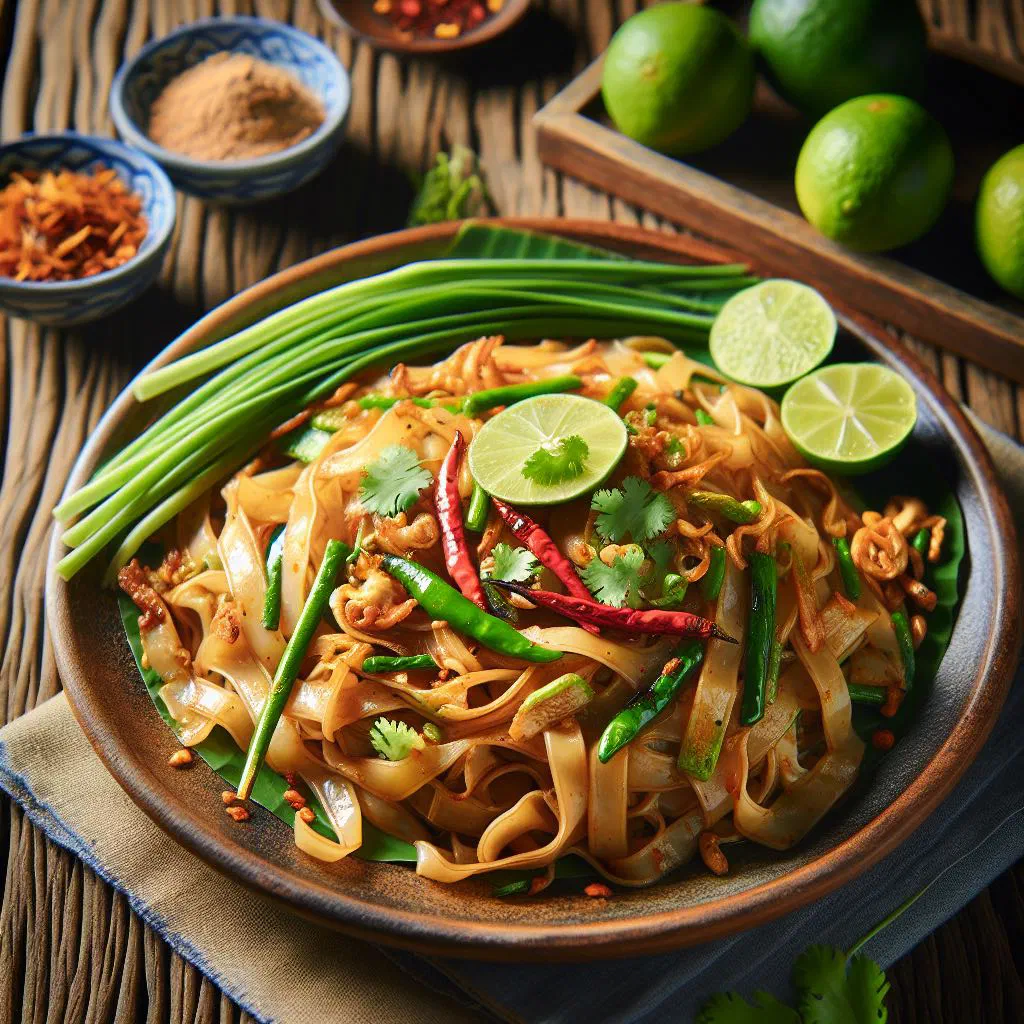
Say hello to Pad Mee Korat, a bright Thai noodle dish that hails from the north-eastern city of Korat. Springy rice noodles are tossed with crisp seasonal vegetables and tender slices of meat, all bound together by a glossy, savoury sauce that pulls every element into harmony. It is as much a feast for the eyes as it is for the palate, and it brings the lively flavours of Thailand straight to your own kitchen. Best of all, it comes together in a single pan in a matter of minutes.
About Pad Mee Korat
Pad Mee Korat is a traditional Thai noodle dish that takes its name from the city of Korat, where it first appeared. The pairing of stir-fried rice noodles, fresh vegetables and tender meat has made it a firm favourite for countless home cooks and diners alike. What really sets it apart is its distinctive sauce, which rounds the dish off to perfection. The result is not only a treat for the palate but a genuine pleasure for the eyes as well.
Ingredients (serves 1–2)
- 200 g rice noodles
- 150 g chicken breast or beef
- 1 carrot, cut into fine strips
- 100 g broccoli, broken into florets
- 2 spring onions, sliced into rings
- 2 cloves of garlic, finely chopped
- 3 tablespoons soy sauce
- 1 tablespoon fish sauce
- 1 tablespoon oyster sauce
- 1 teaspoon sugar
- 1 tablespoon vegetable oil
Shopping for the ingredients
To make Pad Mee Korat you will want to track down the ingredients at an Asian grocery or on the international shelf of your local supermarket. Rice noodles are usually easy to find and should be of good quality to achieve the best texture. Fresh vegetables such as carrots and broccoli lend the dish a lively, nourishing character. Look out for quality soy sauce and fish sauce, too, as these form the very foundation of the dish’s flavour.
Preparing the dish
Before you start cooking, it is important to get every ingredient ready in the right form. The rice noodles need to be boiled or rehydrated according to the instructions on the packet. The vegetables should be washed and cut to a uniform size so they cook through evenly. Your choice of meat should also be prepared in advance, sliced thinly and marinated to deepen its flavour.
Step-by-step instructions
- Soak or boil the rice noodles in hot water for about 10 minutes until soft, then drain and set aside.
- Heat 1 tablespoon of vegetable oil in a pan or wok and stir-fry the chopped garlic until fragrant.
- Add the sliced meat and cook until just cooked through.
- Add the vegetables (carrots, broccoli and spring onions) to the pan and fry briefly.
- Add the prepared rice noodles and toss thoroughly with the meat and vegetables.
- Stir in the soy sauce, fish sauce and oyster sauce, then sprinkle in the sugar. Mix well and cook together for a few minutes.
Gluten-free / lactose-free version
For a gluten-free version of Pad Mee Korat, swap the regular soy sauce for a gluten-free alternative such as tamari. Make sure the other sauces are free of gluten-containing additives as well. The dish is naturally lactose-free, since no dairy products are used.
Tips for vegans and vegetarians
For a vegan or vegetarian take on Pad Mee Korat, replace the meat with tofu or tempeh, both of which make excellent sources of protein. You can also add a variety of vegetables such as peppers, courgette or mushrooms to build extra layers of flavour. Be sure to swap the fish sauce for a plant-based version or simply use a little extra soy sauce. These changes give you plenty of flexibility without losing the dish’s characteristic taste.
More tips and tricks
To get the very best out of your Pad Mee Korat, make sure the pan or wok is good and hot before you add the ingredients. This gives you a lovely toasted note and stops everything from steaming for too long. Use fresh, high-quality ingredients, as this can have a real impact on the finished flavour. You can also garnish the dish with fresh herbs or chillies to round it off exactly to your liking.
Adapting the recipe to your taste
Pad Mee Korat is easy to tailor to your own preferences. If you like things hotter, add fresh chillies or a spoonful of chilli paste. For extra depth, scatter over some roasted peanuts or a squeeze of lime juice just before serving. Experiment with different vegetables or even different cuts of meat to create your own version of this delicious dish, the possibilities are all but endless. If you enjoy a bolder kick, the same fiery, herbaceous spirit runs through Pad Cha.
Ingredient substitutions
There are plenty of alternatives to fall back on if certain ingredients are not available. Rice noodles can be replaced with other types such as udon or soba, though this will change the character of the dish. If fresh vegetables are out of season, frozen or tinned varieties work perfectly well. The various sauces can also be swapped for other Asian options such as teriyaki or hoisin, though this may alter the flavour. Be creative and use whatever you have to hand, much like the easygoing approach behind Khao Pad Moo Sap.
Drink pairing ideas
To round off the eating experience, there are plenty of drinks that go beautifully with Pad Mee Korat. A chilled Chang beer or a classic Thai iced tea make wonderful companions. For non-alcoholic options, fresh watermelon juice or a homemade lime lemonade offer a sweet, refreshing choice.
Serving and presentation ideas
Presentation is key to making a lasting impression. Serve Pad Mee Korat on an attractive plate and garnish with fresh herbs such as coriander or Thai basil. A few lime wedges on the side and a scattering of roasted peanuts add an inviting finishing touch. Using colourful vegetables creates an appealing visual impression and sparks the curiosity of your guests. A thoughtful table setting can lift the whole experience even further.
A bit of history
Pad Mee Korat is a much-loved dish of Thai cuisine that hails from the province of Nakhon Ratchasima, Korat for short. The origins of this noodle dish are closely tied to the history and culture of the region. It reflects the influence of neighbouring countries, in particular the Chinese cooking that is so widespread throughout Thailand. Today Pad Mee Korat can be found in many Thai restaurants, both at home and around the world, and it remains hugely popular for its delicious flavours and versatility.
More recipe ideas
Summary: Pad Mee Korat
Pad Mee Korat is a hearty, savoury noodle dish that captures the flavours of Thailand to perfection. With its combination of fresh vegetables, tender meat and a special sauce, it is a treat for all the senses. The ease with which it can be adapted to personal taste, along with its wholesome preparation, makes it an excellent choice for any occasion. Give Pad Mee Korat a try and let the flavours of Thai cuisine cast their spell on you.