National Dish Thailand: Pad Pak Boong (Recipe)
In this article
Discover Pad Pak Boong, one of Thailand’s quickest and most satisfying stir-fries. This bright wok dish brings together crisp morning glory, punchy garlic and fiery chilli, all glazed in a savoury sauce in a matter of minutes. A favourite of the country’s busy street kitchens, it proves that the freshest ingredients and a screaming-hot wok are often all you need. Bring a taste of Thailand straight to your own hob.
About Pad Pak Boong
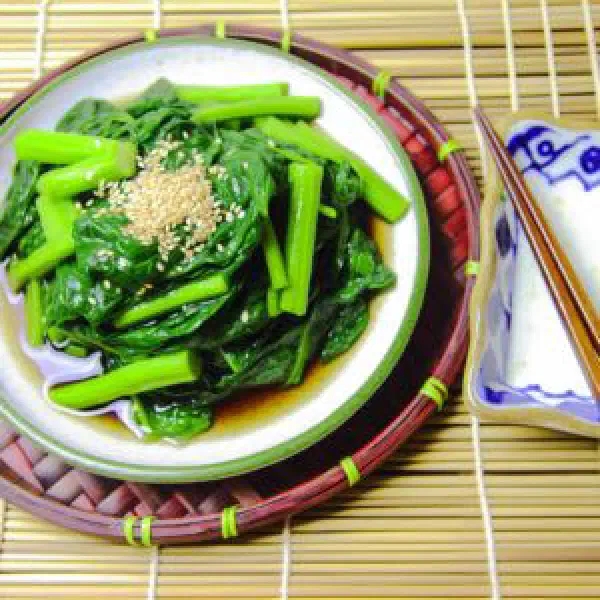
Pad Pak Boong, sometimes called the morning glory stir-fry, is a much-loved Thai dish prized for its simplicity and freshness. This delicious wok-fried vegetable dish is a fixture of Thailand’s street food scene, where it is tossed to order over fierce heat. It comes together quickly with just a handful of ingredients and makes a healthy choice for any lunch or dinner. The star ingredient, morning glory, also known as water spinach, is rich in vitamins and nutrients that support a balanced diet.
Ingredients (serves 1–2)
- 200 g morning glory (water spinach)
- 2–3 cloves garlic
- 1–2 chillies
- 1 tablespoon vegetable oil
- 1 tablespoon soy sauce
- 1 tablespoon oyster sauce
- 1 pinch sugar
- 1–2 tablespoons water
Shopping for the ingredients
The key ingredients for Pad Pak Boong, such as morning glory and soy sauce, are easy to find at a well-stocked Asian grocery. Be sure to buy the freshest vegetables you can to guarantee the best flavour. The quality of the sauces also makes a real difference to the success of the dish. Alternatively, you can often track down water spinach at farmers’ markets or in larger supermarkets.
Preparing the dish
Wash the water spinach thoroughly under cold running water. Remove any tough or woody stems so the finished dish stays tender. Slice the garlic thinly and cut the chillies into fine rings. These preparatory steps speed up the cooking and make sure every element cooks evenly, important when the whole dish is ready in just a couple of minutes.
Step-by-step instructions
- Heat the vegetable oil in a wok or large frying pan over medium heat.
- Add the sliced garlic and chillies and fry briefly until fragrant.
- Add the water spinach and stir-fry for about 1–2 minutes, until it just wilts.
- Stir in the soy sauce, oyster sauce, sugar and water, mixing everything well.
- Bring it back to a quick boil until the water spinach is fully cooked through, then serve straight away.
Gluten-free / lactose-free version
To adapt Pad Pak Boong for a gluten-free or lactose-free diet, simply use gluten-free soy sauce and oyster sauce. Both are widely available in health food shops and specialist supermarkets. Since the dish contains no dairy at all, it is naturally lactose-free, making it an easy crowd-pleaser for guests with dietary needs.
Tips for vegans and vegetarians
To make the dish vegan, swap the oyster sauce for a plant-based alternative such as mushroom sauce. This lends a similar savoury umami depth without any animal products. With that one simple change, Pad Pak Boong can be enjoyed by vegans and vegetarians alike, much like the meat-free Kaeng Hoh that turns leftovers into a bright stir-fry.
More tips and tricks
Cook the vegetables over high heat to keep their crisp, snappy texture. Experiment with extra ingredients such as tofu or mushrooms to add a little variety. A squeeze of lime juice right at the end brings a fresh, zesty note to the finished dish. Small touches like these give Pad Pak Boong an especially interesting dimension of flavour.
Adapting the recipe to your taste
Depending on your own palate, add more or less chilli to dial the heat up or down. If you like things a touch richer, stir in a small amount of sesame oil. You can also swap the water spinach for other leafy greens such as spinach or bok choy. That way you can shape the dish entirely to suit your own taste, just as you might with a punchy Pad Cha.
Ingredient substitutions
If morning glory is not available, you can use other green vegetables such as spinach or pak choi. For the soy sauce there are alternatives like tamari, which has the bonus of being gluten-free. And in place of vegetable oil you might reach for peanut oil, which gives the dish a pleasant, nutty note.
Drink pairing ideas
A cold Thai beer such as Singha is a fantastic match for this spicy dish. For an alcohol-free option, serve a homemade ginger and lemon water or a cup of green tea.
Serving and presentation ideas
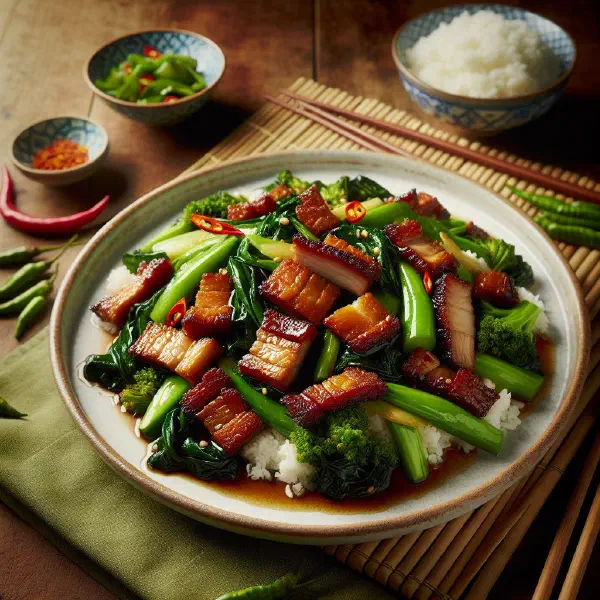
Serve Pad Pak Boong on a smart white plate to show off the dish’s vivid green colour. Garnish with fresh herbs such as coriander or chives for a final flourish. A few slices of chilli or lime also work well as a garnish. This not only makes for an attractive plate but whets the appetite too. Perfect alongside a rice dish like Khao Pad Sapparot.
A bit of history
Pad Pak Boong is deeply rooted in Thai food culture and is a staple of the country’s street-side kitchens. Water spinach itself originates in Southeast Asia and spread through trade to many Asian nations. The dish is a prime example of Thai cuisine, which is famous for its fast, intensely flavoured stir-fries. It shows just how simple, and yet utterly delicious, Thai cooking can be.
More recipe ideas
Summary: Pad Pak Boong
Pad Pak Boong is a simple yet wonderfully tasty Thai wok dish that makes the perfect healthy meal. With fresh ingredients and just a few steps, you can conjure up an authentic Asian dish in next to no time. Gluten-free or extra spicy, Pad Pak Boong adapts to suit you with ease. Give it a try and let the flavours of Thailand work their magic.