National Dish Thailand: Pad Pak Gaeng Daeng (Recipe)
In this article
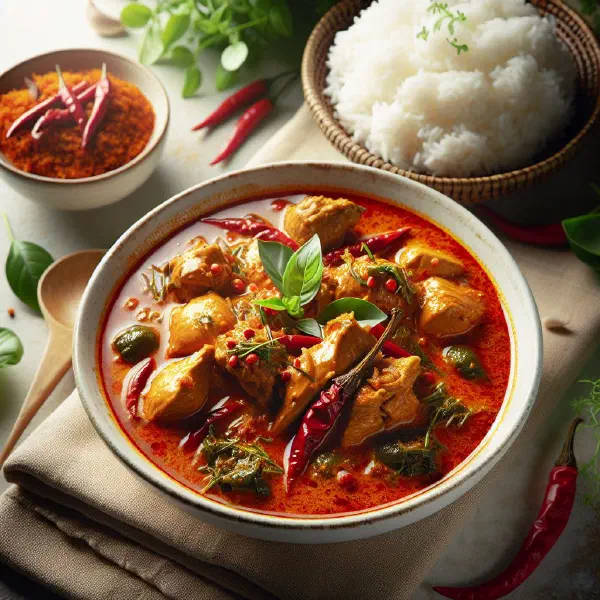
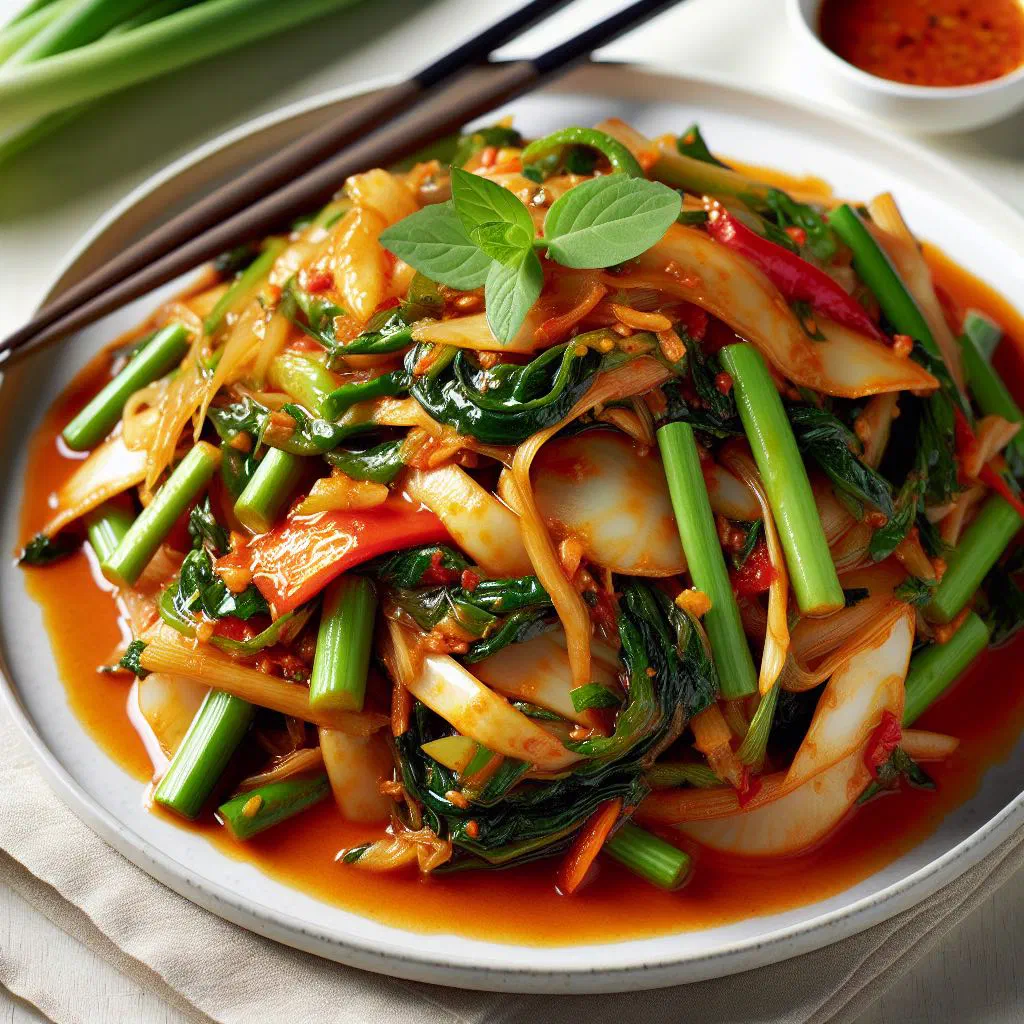
Say hello to Pad Pak Gaeng Daeng, a bright Thai favourite that brings together crisp vegetables and tender meat in a rich, fragrant red curry sauce. Glossy with coconut milk and lifted by the bright fire of red chillies, it is the kind of dish that turns an everyday dinner into something memorable. With its harmonious balance of heat, savouriness and fresh herbs, it offers a memorable taste of Thailand straight from your own kitchen.
About Pad Pak Gaeng Daeng
Pad Pak Gaeng Daeng is a traditional Thai dish celebrated for its deep red sauce. It pairs crisp vegetables with tender meat, often chicken or beef, in an aromatic curry base. The defining features of this dish are its gentle heat and its savoury, spiced flavour, drawn from red chillies and a generous handful of fresh herbs. For many lovers of Thai cooking, it is an absolute must-try.
Ingredients (serves 1–2)
- 200 g chicken or beef
- 200 g mixed vegetables (e.g. broccoli, carrots, peppers)
- 2–3 tablespoons red curry paste
- 400 ml coconut milk
- 2–3 tablespoons fish sauce
- 1–2 teaspoons sugar
- Fresh Thai basil leaves
- 1–2 tablespoons oil (e.g. groundnut oil)
Shopping for the ingredients
To enjoy the authentic flavour of Pad Pak Gaeng Daeng, it is best to buy your ingredients from an Asian grocery or a good organic supermarket. The red curry paste and the coconut milk are the essential building blocks of this dish, so it is worth choosing good-quality versions. Fresh, seasonal vegetables add extra flavour and texture, while picking up fresh herbs such as Thai basil ensures that genuine Thai character.
Preparing the dish
Before you start cooking, prepare all of your ingredients thoroughly. Wash and cut the vegetables into bite-sized pieces, and slice the meat into thin strips. It pays to plan your prep so that everything is within easy reach before the pan goes on the heat. This kind of groundwork keeps the cooking process smooth and helps the aromas shine through.
Step-by-step instructions
- Heat the oil in a large pan or a wok.
- Add the red curry paste and fry briefly until fragrant.
- Add the sliced meat to the pan and cook until done.
- Pour in the coconut milk and bring the mixture to the boil.
- Add the vegetables and let them simmer for a few minutes, until crisp but tender.
- Season with fish sauce and sugar, then garnish with fresh Thai basil.
Gluten-free / lactose-free version
Pad Pak Gaeng Daeng is easy to adapt for anyone with a gluten or lactose intolerance. Simply use a gluten-free fish sauce and make sure the curry paste contains no gluten-bearing ingredients. The coconut milk is naturally lactose-free, so it needs no swapping at all.
Tips for vegans and vegetarians
There are wonderful options here for vegans and vegetarians too. In place of meat, reach for tofu or tempeh, both of which offer a great texture and soak up the sauce beautifully. When choosing your curry paste, check that it is free of animal products such as shrimp paste. Load the dish up with a variety of vegetables to create a nutrient-rich meal that everyone can share.
More tips and tricks
To make your Pad Pak Gaeng Daeng even more delicious, experiment with different vegetables that you love. Adding courgette or green beans, for instance, gives you a brighter, even more flavourful variation. Take care not to overcook the vegetables so they stay crisp and keep their nutrients intact. A squeeze of fresh lime juice just before serving adds a lovely lift of freshness as well.
Adapting the recipe to your taste
The beauty of Pad Pak Gaeng Daeng is how readily you can change it to suit your own preferences. Add more or less curry paste to adjust the heat, or swap in different cuts of meat or types of vegetable depending on what you have to hand. If you prefer a milder version, use a little less paste and a touch more coconut milk to round out the flavour. The result is an individual twist that makes the dish your own.
Ingredient substitutions
If a few of the speciality ingredients are not in your cupboard, there are plenty of alternatives. In place of red curry paste you can use yellow or green curry paste, though this will shift the flavour slightly, much like the warming spice mix at the heart of a Gaeng Massaman. For the fish sauce, soy sauce makes an excellent vegan stand-in. The choice of vegetables is just as flexible, so use whatever the fridge has to offer to tailor the dish.
Drink pairing ideas
To round off the experience of Pad Pak Gaeng Daeng, a number of drinks pair beautifully with it. A chilled Thai beer or a fresh iced tea make perfect companions. If you prefer something alcohol-free, try fruity mocktails finished with lime or mint. These drinks bring out the flavours of the dish wonderfully and create a relaxed, feel-good atmosphere at the table.
Serving and presentation ideas
Thoughtful presentation can lift your Pad Pak Gaeng Daeng considerably. Serve the dish in a deep bowl, garnish it with fresh Thai basil leaves and add a wedge of lime to the side. An attractive tablecloth and Thai-style crockery bring extra charm to the scene.
A bit of history
Pad Pak Gaeng Daeng has its roots in Thai culture and draws together a wealth of influences. The dish marries ingredients that are readily available across the region with traditional cooking methods. The use of curry runs deep in Thai cuisine and has evolved over the centuries, a thread it shares with much of Thai cuisine. Many Thai households keep their own secret recipe, a sign of just how firmly this dish is woven into everyday life.
More recipe ideas
Summary: Pad Pak Gaeng Daeng
Pad Pak Gaeng Daeng is a versatile and flavour-packed dish that can be prepared in its traditional form or adapted to your personal taste. With its harmonious blend of vegetables and meat in an aromatic curry sauce, it makes the perfect introduction to Thai cooking. Its room for adaptation makes it ideal for any occasion. Enjoy this pleasure and let the flavours of Thailand work their magic.