National Dish Thailand: Pad Pak Kana (Recipe)
In this article
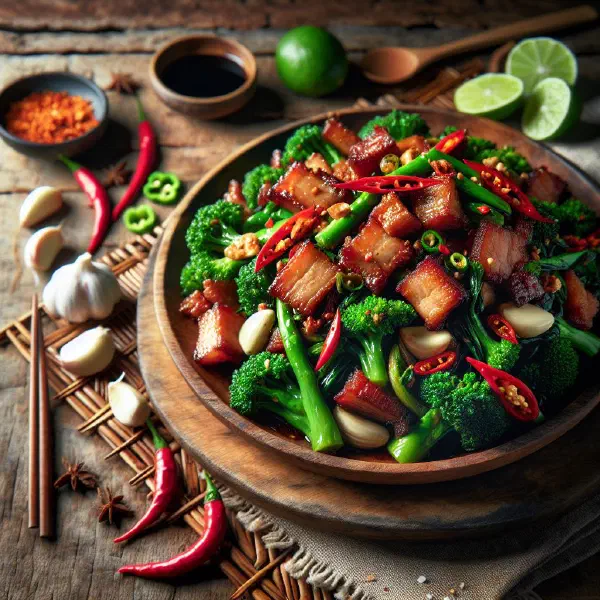
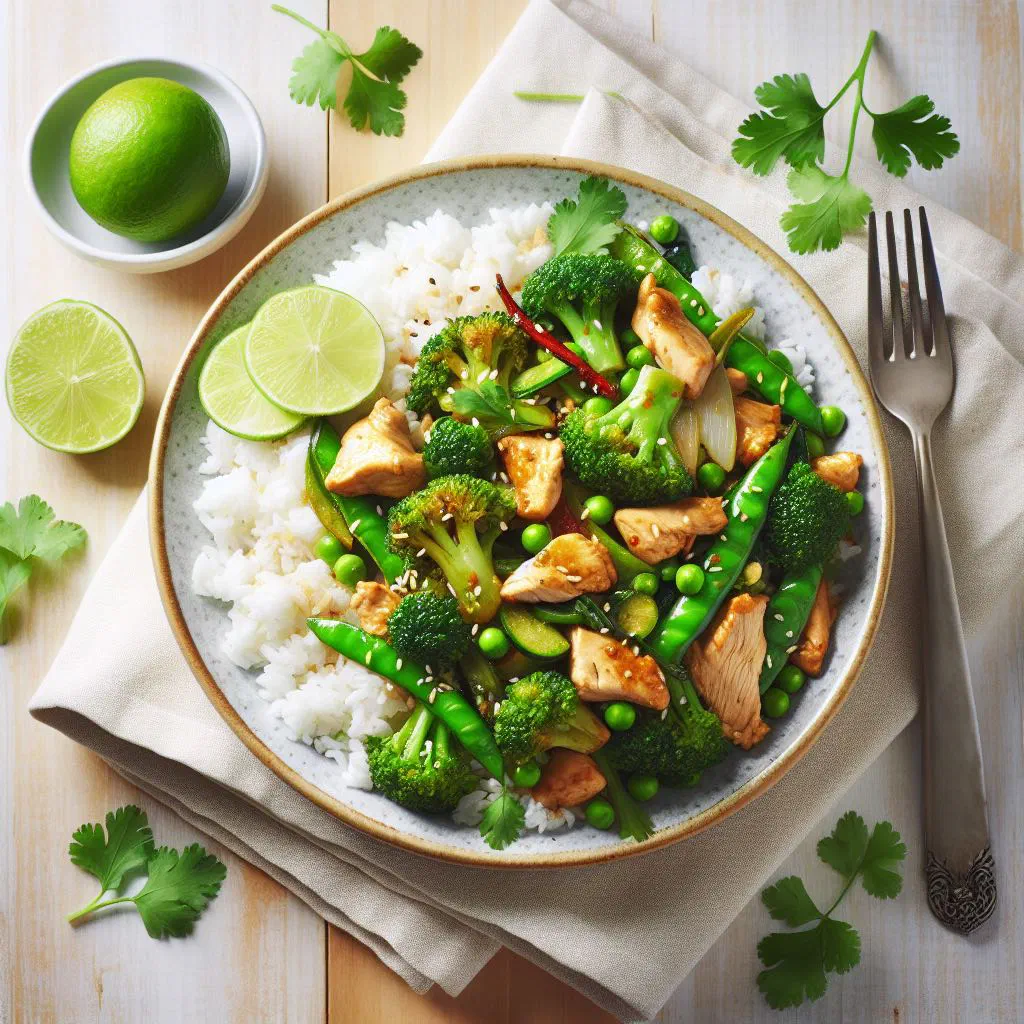
Discover Pad Pak Kana, a quick and wonderfully savoury stir-fry that puts crisp green vegetables centre stage. Crunchy Chinese broccoli is tossed in a fragrant, garlicky sauce until just tender, then served piping hot over steamed rice. It is fresh, healthy and ready in minutes, making it the perfect choice for a fuss-free lunch or a satisfying weeknight supper with genuine Thai character.
About Pad Pak Kana
Pad Pak Kana is a classic Thai dish that wins people over with its simple yet deeply flavourful ingredients. It is best known for its use of crunchy Chinese broccoli (kana) and is most often served alongside steamed rice. The dish is delicious and genuinely good for you, being rich in vitamins and minerals. On top of that, it is quick and easy to prepare, which makes it an ideal candidate for a speedy lunch or a relaxed evening meal.
Ingredients (serves 1–2)
- 200g Chinese broccoli (kana)
- 2 tablespoons soy sauce
- 1 tablespoon oyster sauce
- 1 tablespoon garlic, chopped
- 1–2 chillies, chopped
- 200g tofu or chicken, cut into pieces
- 1 tablespoon oil for frying
- Rice, to serve
Shopping for the ingredients
Many of the ingredients for Pad Pak Kana are easy to find in Asian supermarkets. The most important one is the Chinese broccoli, which gives the dish its distinctive flavour. If you cannot get hold of Chinese broccoli, ordinary broccoli works well as a substitute. When it comes to the protein, the choice is yours: tofu for a vegetarian version, or chicken for those who prefer meat.
Preparing the dish
Begin by preparing all of your ingredients carefully. The Chinese broccoli needs to be washed and cut into bite-sized pieces. Chop the garlic and chillies finely so their aromas come through more clearly during cooking. The chicken or tofu should also be cut into small pieces so that it cooks quickly and evenly.
Step-by-step instructions
- Heat the oil in a frying pan or wok over a medium heat.
- Add the chopped garlic and chillies and fry until fragrant.
- Add the chicken or tofu to the pan and cook until it is cooked through.
- Add the Chinese broccoli and stir-fry for 2–3 minutes, until tender but still crunchy.
- Pour in the soy sauce and oyster sauce and stir well to combine.
- Serve the Pad Pak Kana hot with rice on the side.
Gluten-free / lactose-free version
For a gluten-free version of this dish, use gluten-free soy sauce and gluten-free oyster sauce. Both are available in well-stocked supermarkets. Since the dish is naturally lactose-free, no further changes are needed, which makes Pad Pak Kana an excellent choice for anyone with particular dietary requirements. The same crisp, wok-fried approach also shines in Pad Pak Bung.
Tips for vegans and vegetarians
Pad Pak Kana is easy to adapt to make it vegan or vegetarian. Simply swap the chicken for tofu or another plant-based protein such as tempeh. Take care that the sauces you use contain no animal products. There are plenty of vegan alternatives to oyster sauce that are made from mushrooms, so you can keep all the savoury depth without any compromise.
More tips and tricks
To boost the flavours of Pad Pak Kana even further, you can add ginger or lemongrass. These ingredients lend the dish an extra layer of freshness and complexity. Be careful not to overcook the broccoli, so that it keeps its crunchy texture. For more heat, simply throw in a few additional chillies to taste.
Adapting the recipe to your taste
Pad Pak Kana lends itself beautifully to personal preference. You might add other vegetables such as peppers, carrots or courgette to bring more variety to the dish. If you like things spicier, use more chillies or add a little chilli powder. The soy sauce and oyster sauce can also be dialled up or down to adjust the saltiness to your liking.
Ingredient substitutions
If some of the usual ingredients are not available, there are easy alternatives to hand. Instead of Chinese broccoli, you can use ordinary broccoli or spinach. If you have no oyster sauce, a mix of soy sauce and a little sugar makes a good stand-in. For a meat-free version, reach for tofu or seitan. The same flexible swapping works well in the curry-style Pad Pak Gaeng Daeng.
Drink pairing ideas
Light, refreshing drinks suit a good Pad Pak Kana best. A Thai iced tea or a fragrant jasmine tea complements the dish wonderfully. A cold beer can also be a fine choice, especially when the dish is on the spicy side. For an alcohol-free option, a zesty lemon water or a lemonade works a treat.
Serving and presentation ideas
The presentation of Pad Pak Kana can be lifted with just a few simple touches. Serve the dish in bowls or on plates with colourful garnishes. A scattering of coriander leaves or sesame seeds makes an attractive finish and adds visual interest. Steamed rice can be served in a separate bowl to make the whole spread look more inviting.
A bit of history
Pad Pak Kana has its roots in traditional Thai cooking and is especially popular in central and southern Thailand. The use of Chinese broccoli reflects the influence of Chinese cuisine on Thai food. Over the years, various versions of the dish have developed, adapted to regional tastes and the ingredients available. Today it is a much-loved dish both in Thailand and around the world, and a fine introduction to everyday Thai cuisine.
More recipe ideas
Summary: Pad Pak Kana
Pad Pak Kana is a delicate and healthy dish from Thailand that wins you over with its simplicity and its flavour. Thanks to fresh ingredients such as Chinese broccoli, garlic and chillies, it delivers a wealth of aromas and nutrients. Its adaptability makes it a versatile dish that suits a range of dietary needs. It is an ideal recipe for anyone who wants to experience Thai cuisine in its most authentic form.