National Dish Thailand: Pad Thai Gai (Recipe)
In this article
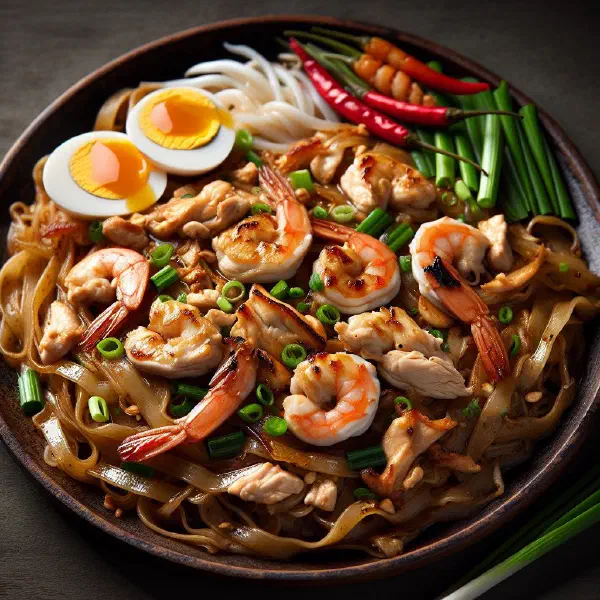
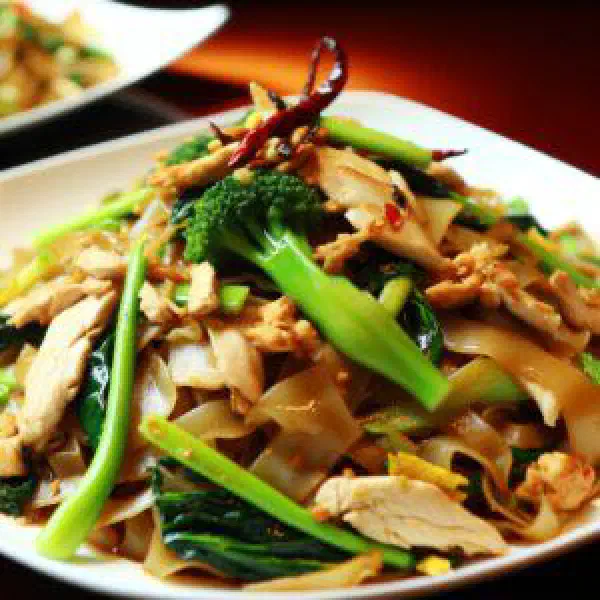
Meet Pad Thai Gai, one of Thailand’s most famous dishes and a firm favourite the world over. Tender strips of chicken, springy rice noodles and fresh vegetables come together in a glossy, tangy sauce that swings effortlessly from sweet to spicy. This is a stir-fry that never disappoints. Bring the buzz of a Bangkok street stall straight to your own kitchen.
About Pad Thai Gai
Pad Thai Gai is one of the best-known dishes to come out of Thailand, and it is easy to see why it enjoys such a global following. The combination of stir-fried rice noodles, tender chicken and crisp fresh vegetables makes for a genuine taste sensation. Its layered flavours, ranging from sweet to fiery, are brought together by the signature Pad Thai sauce, built around tangy tamarind. The result is a hearty, perfectly balanced plate that suits any occasion.
Ingredients (serves 1–2)
- 150 g rice noodles
- 200 g chicken breast fillet, cut into strips
- 2 tablespoons peanuts, roughly chopped
- 1 small carrot, cut into strips
- 1 egg
- 2 spring onions, sliced into rings
- 1 tablespoon soy sauce
- 1 tablespoon tamarind paste
- 1 teaspoon sugar
- Oil, for frying
- Lime wedges, to serve
- Fresh coriander, to garnish
Shopping for the ingredients
When shopping for Pad Thai Gai, it is worth paying attention to the quality of every ingredient. Fresh rice noodles are crucial to the texture of the dish, so look for them in an Asian grocery if you can. Choose a good-quality chicken fillet too, as it makes all the difference to the finished flavour. Tamarind paste and peanuts are also easy to find in Asian shops or in a well-stocked supermarket.
Preparing the dish
Getting Pad Thai Gai ready is straightforward and takes only a few simple steps. Begin by soaking or cooking the rice noodles according to the packet instructions until they are just al dente. While the noodles soften, chop the vegetables and slice the chicken into strips. Make sure everything is prepped and within reach before you start cooking, as the stir-fry itself comes together very quickly.
Step-by-step instructions
- Heat a little oil in a pan and stir-fry the chicken until it is cooked through.
- Add the carrots and spring onions and toss them in briefly.
- Push the ingredients to the side of the pan and crack the egg into the middle.
- Stir the egg until it sets, then mix everything together well.
- Add the cooked rice noodles, soy sauce, tamarind paste and sugar, and combine thoroughly.
- Serve the Pad Thai Gai topped with chopped peanuts and lime wedges.
Gluten-free / lactose-free version
For a gluten-free version of Pad Thai Gai, simply swap the regular soy sauce for a gluten-free soy sauce or tamari. Check that the rice noodles are clearly labelled gluten-free as well. This dish is naturally lactose-free, so there is no need to worry about dairy at all. That makes Pad Thai Gai an excellent choice for anyone with particular dietary needs.
Tips for vegans and vegetarians
Vegans and vegetarians can adapt Pad Thai Gai with ease by replacing the chicken with tofu or tempeh. The egg can be left out altogether or swapped for a plant-based egg alternative, which is widely available in supermarkets. Keep that lovely sweet-and-sour balance by using plenty of tamarind paste and soy sauce. The dish stays every bit as tasty and satisfying without any animal products.
More tips and tricks
To draw the fullest flavour out of Pad Thai Gai, stir-fry the ingredients over a high heat. This gives the dish a better wok-charred aroma and makes it all the more moreish. Finish with fresh herbs such as coriander, which add both fragrance and a splash of colour. You can also play with the heat by stirring in chilli or a dash of sriracha to season your Pad Thai to taste.
Adapting the recipe to your taste
Pad Thai Gai is a wonderfully flexible dish that is easy to tailor to personal preference. Add different vegetables such as courgette, broccoli or peppers, depending on what is in season and to hand. The protein can change too. Try prawns or beef for a different flavour profile, much as you would in a Goong Gratiem Prik Thai. By experimenting with the ingredients, you can create something fresh and exciting every time.
Ingredient substitutions
If you do not have tamarind paste to hand, a mix of lemon juice, soy sauce and a pinch of sugar gives you a similar tangy result. Peanuts can be swapped for cashews, which offer a different but equally tasty crunch. Instead of rice noodles you might use courgette noodles or another gluten-free alternative to lighten the dish. Tweaks like these, also handy for a noodle dish such as Pad Mee Korat, keep things varied as well as nourishing.
Drink pairing ideas
For a complete Thai dining experience alongside your Pad Thai Gai, reach for refreshing drinks such as Thai iced tea or chilled water with lime and mint. These pair beautifully with the flavours of the dish and keep everything in balance. A lightly chilled Thai beer also works a treat and rounds out the meal nicely.
Serving and presentation ideas
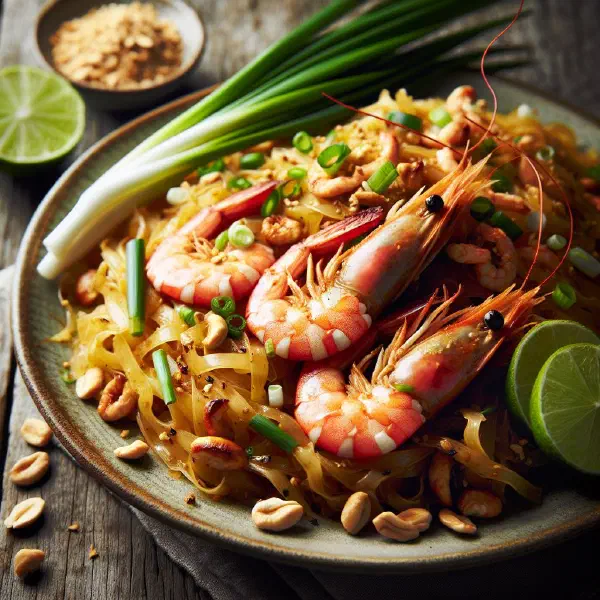
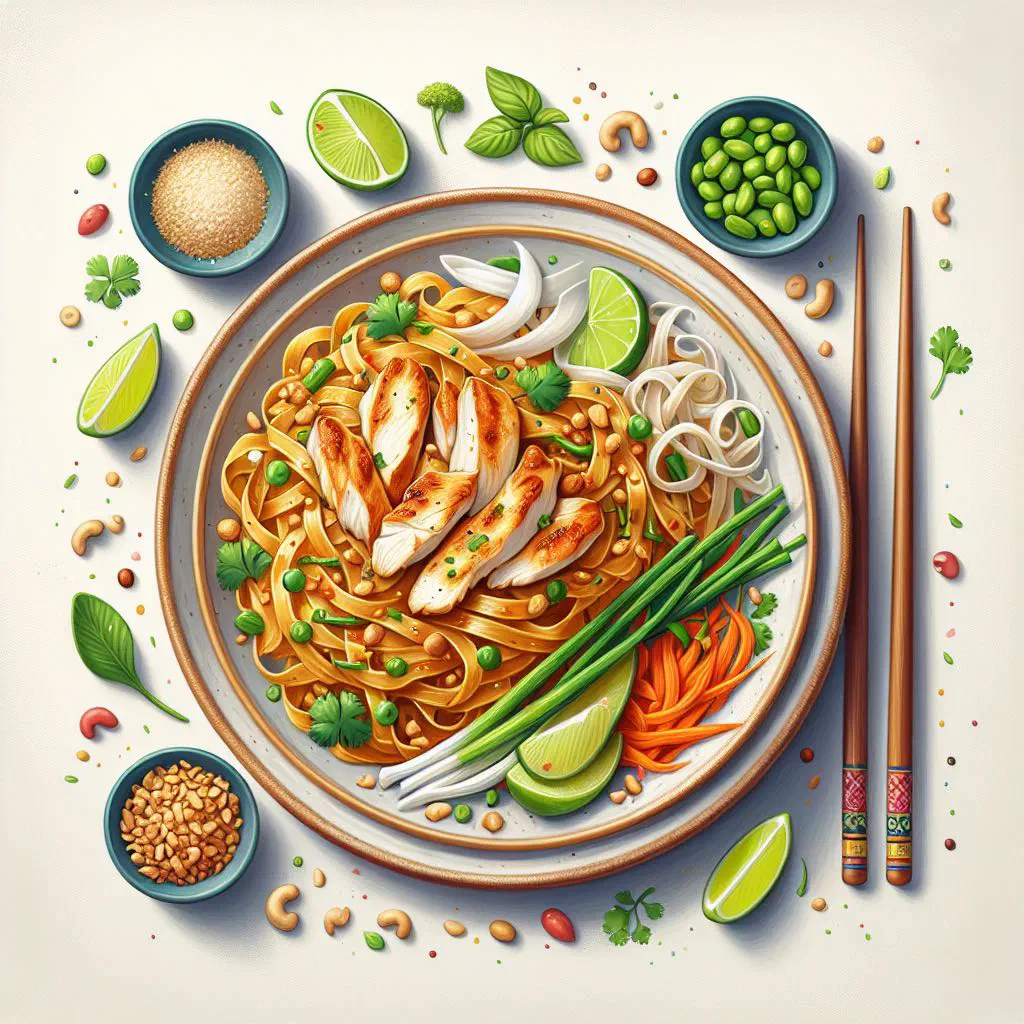
A thoughtful presentation can lift the enjoyment of your Pad Thai Gai considerably. Serve it on a flat, decorative plate and garnish with fresh herbs. Lime wedges to the side look appealing and let everyone add a squeeze of fresh acidity. For extra colour, scatter roasted peanuts over the top and finish with a final drizzle of soy sauce.
A bit of history
Pad Thai Gai has its roots in the street-food culture of Thailand, where it caught on as a quick, nourishing meal. It rose to prominence in the 1930s as part of a national campaign to promote Thai cooking. Today it is far more than a dish. It is a symbol of Thai food culture. The interplay of ingredients reflects Thai, Chinese and Indian influences, and is part of what makes Thai cuisine so distinctive.
More recipe ideas
Summary: Pad Thai Gai
In short, Pad Thai Gai is a versatile and delicious dish that adapts readily to personal taste. With fresh ingredients and a balanced harmony of sweet, sour and spicy, it is sure to be the highlight of any meal. The love of Thai cooking comes alive in every plate. Give it a go and bring the flavours of Thailand straight into your own kitchen.