National Dish Thailand: Pad Thai Goong (Recipe)
In this article
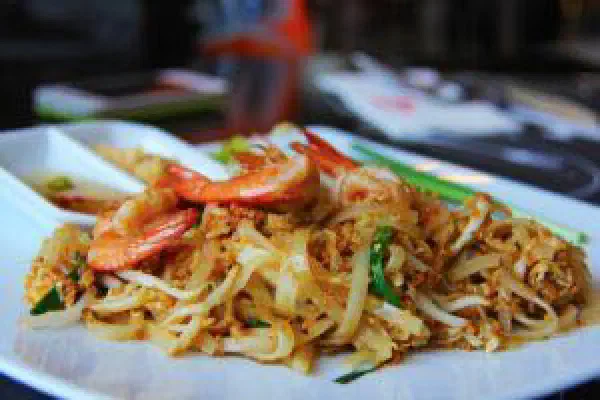
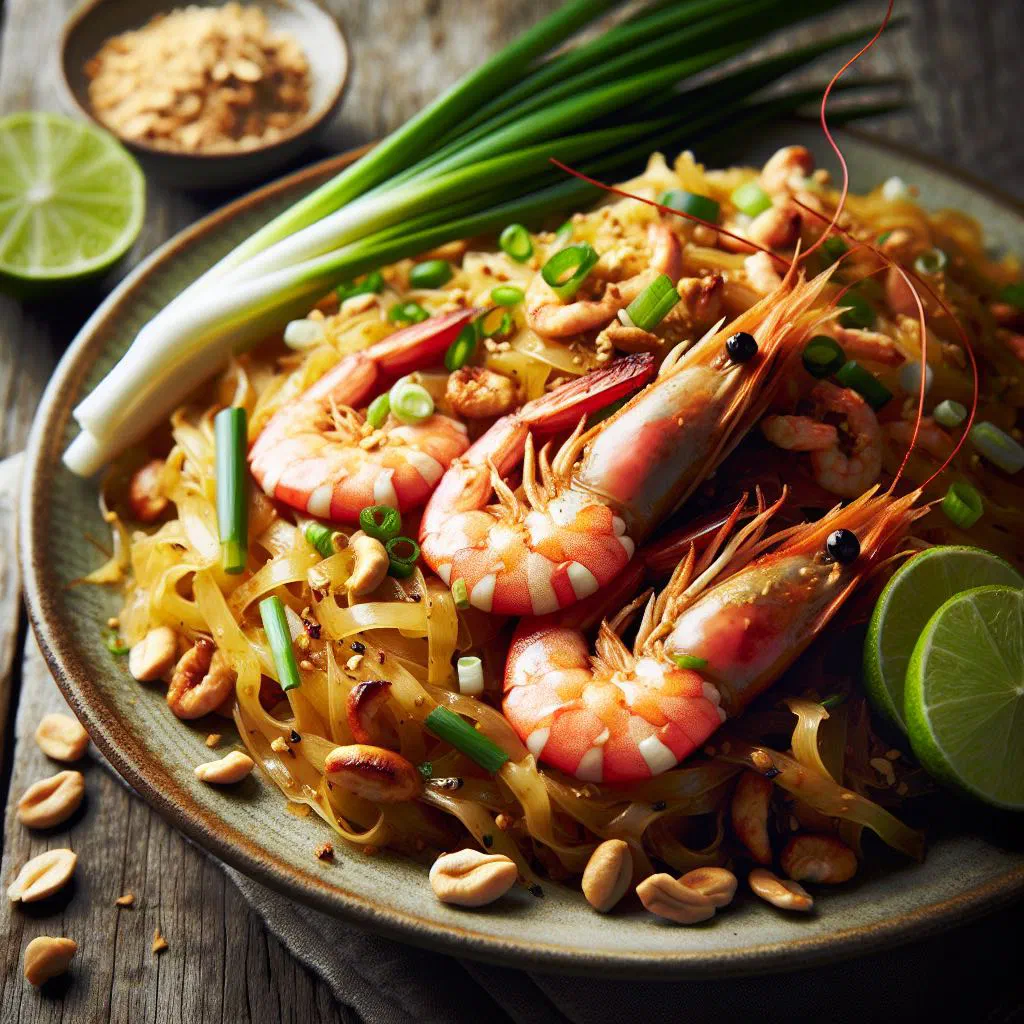
Discover Pad Thai Goong, one of Thailand’s most beloved national dishes. Tender rice noodles meet juicy prawns, crisp vegetables and a tangy tamarind dressing for a plate that sings with bright, balanced flavour. Quick to throw together yet impressive enough for guests, this stir-fry brings the buzz of a Bangkok street stall right to your own kitchen, a real treat for anyone who loves authentic Thai cooking.
About Pad Thai Goong
Pad Thai Goong is one of the most popular national dishes in Thailand, celebrated for its layered flavours and contrasting textures. It brings together tender rice noodles, fresh prawns, crunchy vegetables and a distinctive tamarind dressing that ties everything together. The dish is easy to prepare and wonderfully forgiving. You can vary the ingredients to suit almost any palate. Pad Thai Goong is perfect for a quick midweek supper, or for spoiling your guests with the authentic flavours of Thailand.
Ingredients (serves 1–2)
- 200g rice noodles
- 150g fresh prawns
- 50g bean sprouts
- 1 carrot, cut into julienne
- 2 spring onions, sliced into rings
- 2 eggs
- 2 tbsp tamarind paste
- 2 tbsp fish sauce
- 1 tbsp sugar
- 2 tbsp lime juice
- Roasted, crushed peanuts, to garnish
- Fresh herbs of your choice (e.g. coriander, Thai basil)
Shopping for the ingredients
When making Pad Thai Goong, it pays to choose the right ingredients to get the very best flavour. The rice noodles should be good quality, as they form the backbone of the dish. Fresh prawns are key to that tender, aromatic bite. Many of the other ingredients, such as tamarind paste and fish sauce, are easy to find in Asian grocers and well-stocked supermarkets, and they keep well in the cupboard once opened.
Preparing the dish
Before you start cooking, it helps to have everything prepped and within reach. Soak the rice noodles in hot water until softened, and ready the vegetables. Don’t forget to beat the eggs and to mix the tamarind paste with the fish sauce and sugar into a quick dressing. This bit of groundwork makes the cooking go smoothly and ensures all the flavours come together in harmony, much as careful prep does for a fragrant Gaeng Massaman.
Step-by-step instructions
- Fry the soaked rice noodles in a pan with a little oil until lightly golden.
- Add the prawns and stir-fry until pink and cooked through.
- Stir in the prepared vegetables and bean sprouts and toss briefly to soften.
- Pour in the beaten eggs and stir until just set.
- Add the tamarind paste, fish sauce, sugar and lime juice and mix well to coat.
- Garnish with crushed peanuts and fresh herbs, then serve straight away.
Gluten-free / lactose-free version
Pad Thai Goong is easily made gluten-free and lactose-free. To keep it gluten-free, use certified gluten-free rice noodles and check that the fish sauce and tamarind paste contain no gluten-based additives. For a lactose-free version there is barely anything to change, since the recipe naturally contains no dairy at all. Simply steer clear of any buttery garnishes and the dish is good to go.
Tips for vegans and vegetarians
Pad Thai Goong adapts readily for vegetarians and vegans. Swap the fresh prawns for tofu or tempeh to keep the dish high in protein, and replace the fish sauce with soy sauce or a ready-made vegan fish sauce. Fresh vegetables such as courgette, peppers or broccoli can be added for extra nutrients and variety, a flexible approach that also suits a stir-fry like Pad Pak Bung.
More tips and tricks
A few simple pointers will help you get the most from your Pad Thai Goong. Keep the heat high throughout so the ingredients fry quickly rather than stew. A wok is ideal here, as it spreads the heat evenly and gives everything room to cook. Don’t overcrowd the pan, leave enough space for each ingredient to cook through, and you’ll be rewarded with perfectly tender noodles and crisp vegetables every time.
Adapting the recipe to your taste
Pad Thai Goong is easy to tweak to your own preferences. Turn up the heat with a little chilli or a spoonful of chilli sauce if you like things fiery. For a sweeter profile, add a touch more sugar or fold in some pineapple. The recipe is highly adaptable and lets you fine-tune the balance of sweet, sour, salty and spicy until it suits you perfectly, the same balancing act that defines so much of Thai cuisine.
Ingredient substitutions
If you find yourself missing the odd ingredient, there are plenty of easy swaps. In place of tamarind paste you can use lemon juice or lime juice, though the flavour will shift slightly. The rice noodles can be replaced with other noodle alternatives such as courgette noodles or even spaghetti at a pinch. The trick is to stay creative and keep adjusting until the dish matches your own taste.
Drink pairing ideas
The right drink makes a delicious dish even better. With Pad Thai Goong, ice-cold drinks such as Thai iced tea or fresh lime juice work beautifully. These refreshing options balance the dish’s savoury, tangy notes wonderfully. A light Asian-style beer or a crisp, dry white wine also makes an excellent partner without overpowering the food.
Serving and presentation ideas
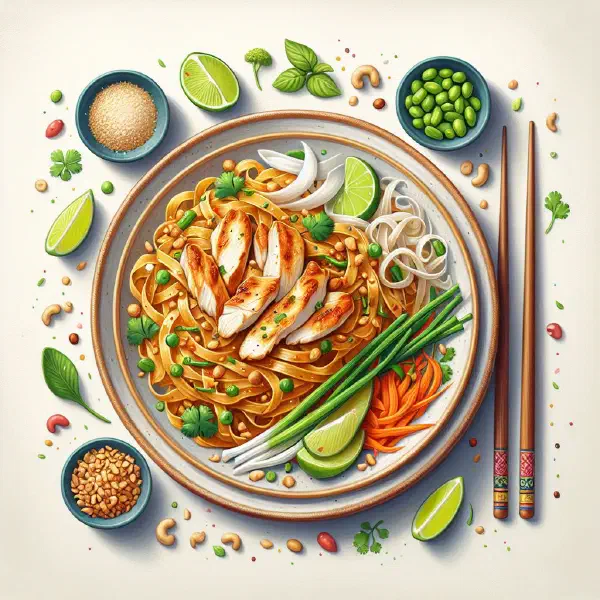
Presentation is part of the pleasure, and it can make a real difference with Pad Thai Goong. Serve it on a flat plate or in a wide bowl so the colours and textures really stand out. Garnish with fresh herbs, crushed peanuts and a few extra lime wedges for an inviting finish. A scattering of chillies or some brightly coloured diced vegetables adds the final flourish and makes the dish all the more appetising.
A bit of history
Pad Thai was first popularised in the 1930s under the government of Field Marshal Plaek Phibunsongkhram, as part of a drive to strengthen national identity. It blends influences from Chinese cooking with Thai ingredients, and that fusion gave rise to this uniquely Thai dish. Today it is hugely popular both in Thailand and far beyond, served as street food and in restaurants alike. Pad Thai Goong has become a true symbol of Thai cooking, reflecting the flavours and food culture of the country.
More recipe ideas
Summary: Pad Thai Goong
Pad Thai Goong is a genuine flavour experience that captures the tastes of Thailand in the most wonderful way. The combination of tender rice noodles, freshly cooked prawns and a distinctive tamarind dressing makes it the perfect dish for anyone who loves Thai food. Thanks to its flexibility, it can be made to suit vegetarians, vegans or any other preference. Pad Thai Goong is without doubt a treat not to be missed.