National Dish Thailand: Pad Thai (Recipe)
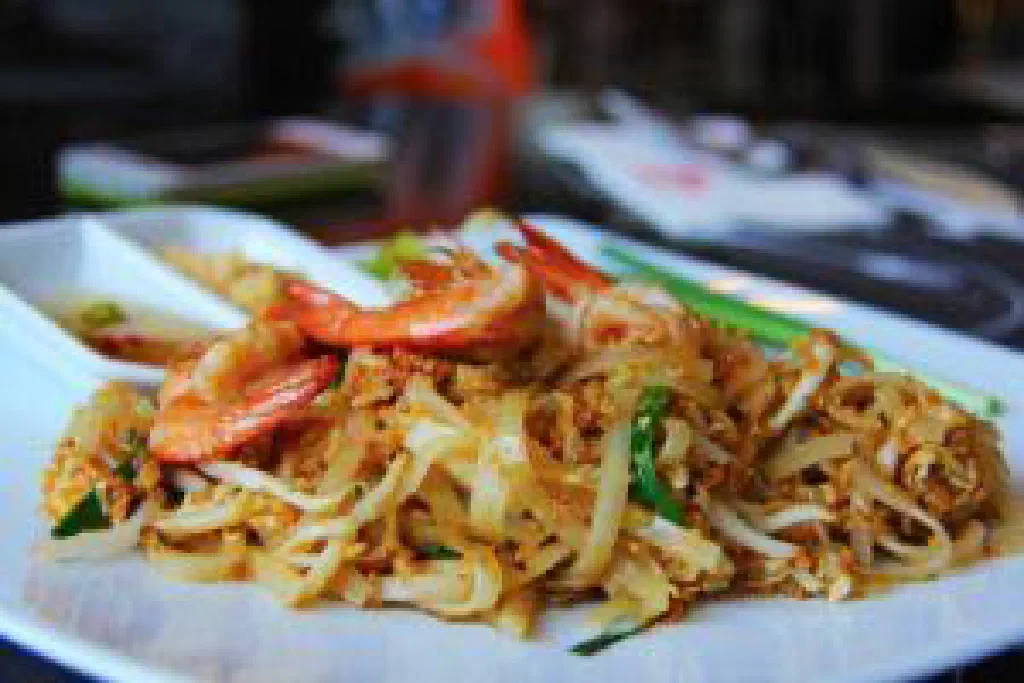
In this article
Pad Thai is a government project. In the late 1930s Thailand’s prime minister promoted it as part of a nationalist campaign to build a Thai identity and reduce rice consumption, and recipes were distributed by the state. It worked.
About Pad Thai
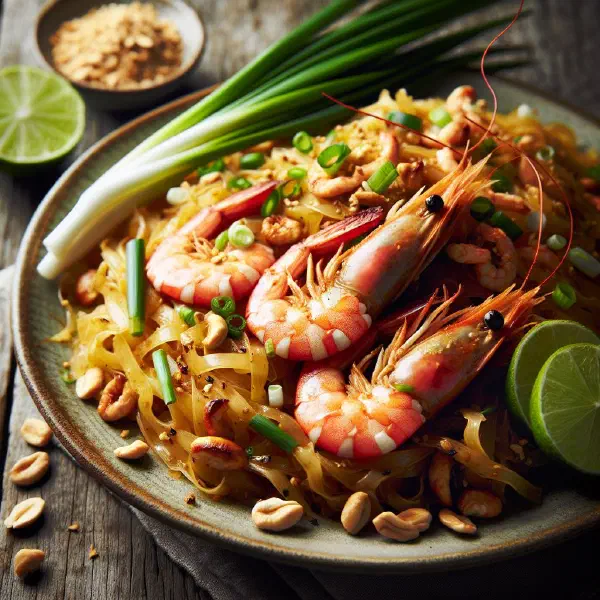
The sauce is three things: tamarind for sour, palm sugar for sweet, fish sauce for salt. Everything else is texture. Dried shrimp, preserved radish, firm tofu, garlic chives, bean sprouts and crushed peanuts.
There is no ginger, no soy sauce and no sesame oil in a proper pad Thai. The lime and the crushed peanuts go on at the table.
Ingredients (serves 1–2)
- 2 tbsp neutral oil
- 2 tbsp garlic, chopped
- 4 tbsp tamarind paste
- 2 tbsp palm sugar
- 2 tbsp fish sauce
- 200 g flat rice noodles
- 2 eggs
- 200 g prawns, peeled
- 100 g firm tofu, diced
- 1 tbsp dried shrimp
- 1 tbsp preserved radish, chopped
- 100 g bean sprouts
- 1 bunch garlic chives, cut into lengths
- 3 tbsp roasted peanuts, crushed
- Lime wedges and chilli flakes, to serve
Shopping for the ingredients
Tamarind paste, not concentrate, from a Thai shop. Palm sugar in a block. Dried shrimp and chai po, preserved sweet radish, are what most Western recipes leave out and what make it taste right. Flat rice noodles, 5 mm wide.
Preparing the dish
Soak the noodles in warm water for 30 minutes until pliable but not soft; they finish in the pan. Mix the sauce in advance and taste it: sour first, then sweet, then salty. Have everything ready, because the cooking takes four minutes.
Step-by-step instructions
- Soak the rice noodles in warm water for 30 minutes until pliable, then drain.
- Dissolve the tamarind, palm sugar and fish sauce together into a sauce and taste for balance.
- Heat the oil in a wok over high heat and fry the garlic, dried shrimp, preserved radish and tofu for 1 minute.
- Add the drained noodles and the sauce and toss constantly for 2 minutes until the noodles soften.
- Push everything to one side, crack in the eggs, scramble them briefly, then fold through.
- Add the prawns and cook 1 minute more.
- Toss in the bean sprouts and garlic chives for the final 30 seconds.
- Serve with crushed peanuts, lime wedges and chilli flakes on the side.
Gluten-free / lactose-free version
Rice noodles are naturally gluten-free and there is no dairy. Check the fish sauce, which occasionally contains wheat. Nothing else needs adapting.
Tips for vegans and vegetarians
Pad Thai jay is the vegan version, made without fish sauce, egg or shrimp, using soy sauce or a vegan fish sauce and extra tofu. Thai Buddhist vegetarian cooking is well established and this version is widely sold during the annual vegetarian festival.
More tips and tricks
Soak the noodles rather than boiling them. Get the wok as hot as your hob allows. Cook one portion at a time: two portions in a domestic pan will steam rather than fry. And balance the sauce before cooking, because you cannot adjust it once the noodles are in.
Adapting the recipe to your taste
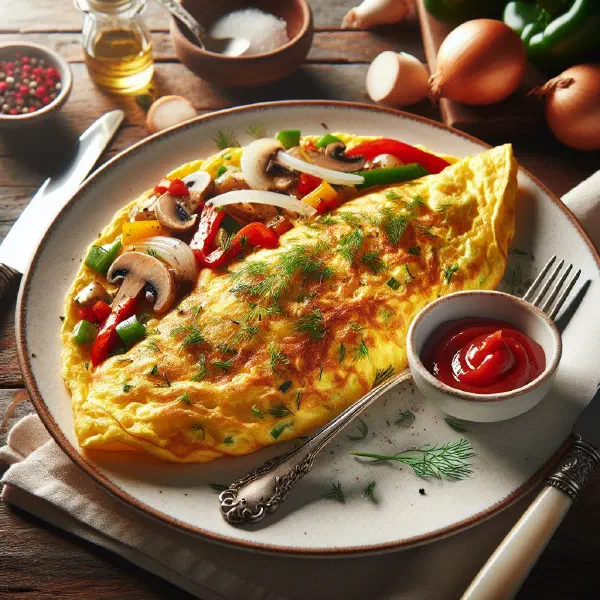
Chicken or pork in place of prawns. More chilli at the table. Some Bangkok stalls serve it wrapped in a thin omelette, pad Thai hor kai, which is worth ordering.
Ingredient substitutions
Tamarind is essential and has no good substitute. Brown sugar for palm sugar. Any firm tofu.
Drink pairing ideas
Thai iced tea, orange and sweet with condensed milk. Singha or Chang lager. Fresh coconut water.
Serving and presentation ideas
Serve it with the garnishes separate: crushed peanuts, chilli flakes, sugar and lime, so everyone adjusts their own. Thai street stalls put all four on the table in small pots and expect you to use them.
A bit of history
Plaek Phibunsongkhram’s government promoted pad Thai from 1938 as part of a programme of cultural nationalism, complete with distributed recipes and encouragement to open noodle carts. The noodles themselves are Chinese in origin, which is a detail the campaign did not emphasise. It anchors Thai cuisine internationally.
More recipe ideas
Summary: Pad Thai
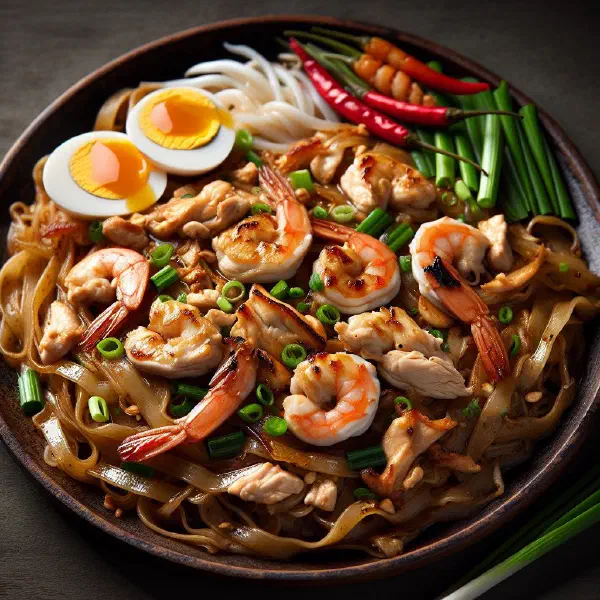
Pad Thai is rice noodles stir-fried with tamarind, palm sugar and fish sauce, with prawns, egg, tofu and bean sprouts. Soak the noodles, balance the sauce first, and cook one portion at a time.