National Dish Thailand: Pad Thai Woon Sen (Recipe)
In this article
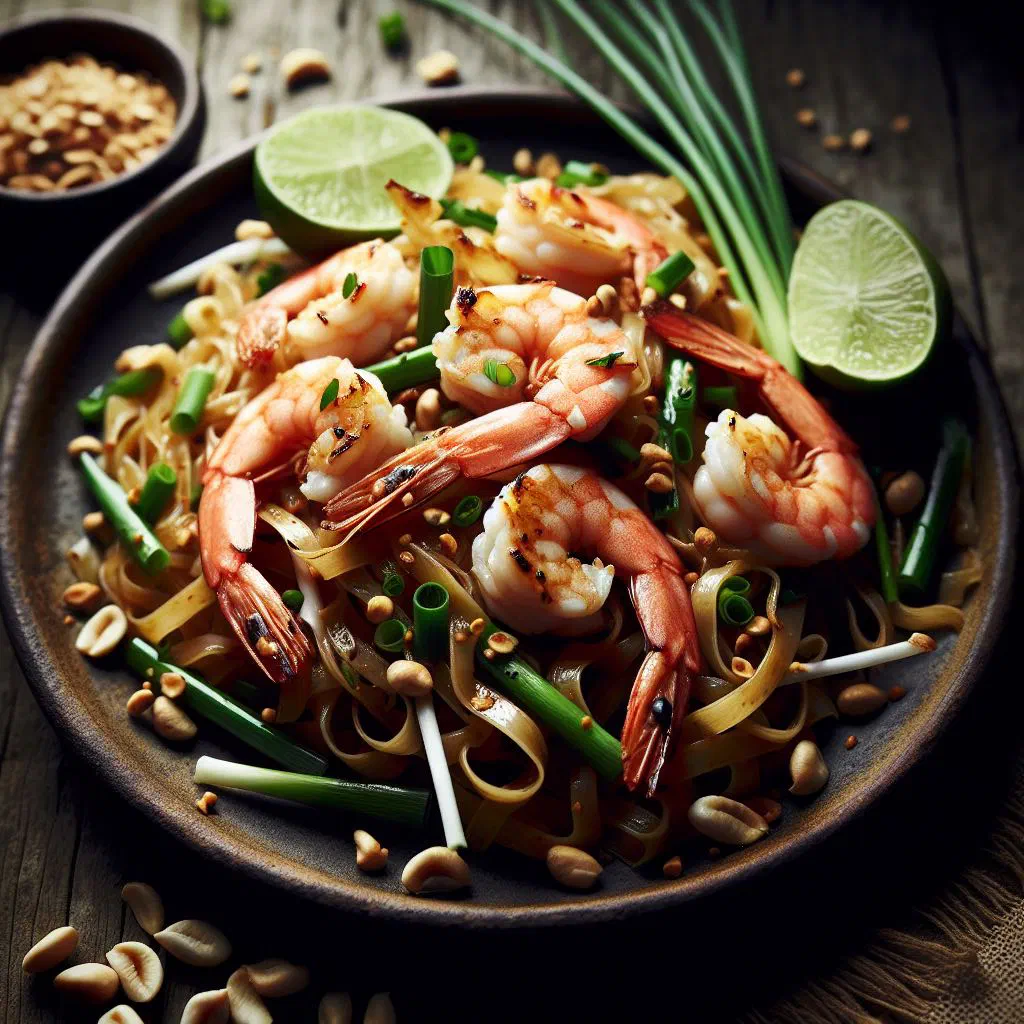
Step into the sweet, sour and savoury world of Pad Thai Woon Sen, a glass-noodle take on Thailand’s most famous stir-fry. In place of the usual rice noodles, slippery glass noodles soak up a punchy sauce of tamarind, fish sauce and palm sugar, while fresh vegetables, egg and your choice of prawns or tofu add layer upon layer of texture. It is the perfect way to bring the bold, exotic flavours of Thailand straight into your own kitchen.
About Pad Thai Woon Sen
Pad Thai Woon Sen is a much-loved variation of Thailand’s national dish, Pad Thai. Instead of the customary rice noodles, this version uses delicate glass noodles made from mung bean starch. The dish strikes a perfect balance between sweet, sour and salty, and offers a wealth of textures thanks to fresh vegetables, egg and often tofu or prawns. It is an ideal recipe for experiencing the flavours of Thailand at home.
Ingredients (serves 1–2)
- 100g glass noodles (woon sen)
- 100g prawns or tofu
- 1 egg
- 1 cup mung bean sprouts
- 2 spring onions
- 2 garlic cloves
- 2 tbsp fish sauce
- 2 tbsp tamarind paste
- 2 tbsp palm sugar
- 1 tbsp peanuts (roasted and chopped)
- 2 tbsp vegetable oil
- Lime wedges
- Optional: chilli powder, coriander
Shopping for the ingredients
When shopping for the ingredients for Pad Thai Woon Sen, it pays to look closely at the quality of what you buy. Fresh prawns or good-quality tofu are essential for the flavour. Glass noodles are usually found in the Asian section of the supermarket or at an Asian grocery. Pay particular attention to authentic tamarind paste and fish sauce, as these give the dish its characteristic taste.
Preparing the dish
Before you start cooking, get all the ingredients ready. Soak the glass noodles in hot water for about 10 minutes until they soften. Chop the vegetables finely and mince the garlic. If you are using prawns, peel and devein them. If using tofu, cut it into cubes and press out any excess water.
Step-by-step instructions
- Heat the vegetable oil in a large frying pan or wok over medium heat.
- Add the minced garlic and fry briefly until fragrant.
- Add the prawns or tofu and cook until done.
- Push the prawns or tofu to one side and crack the egg into the pan, stirring until set.
- Add the soaked glass noodles, fish sauce, tamarind paste and palm sugar. Mix everything together well.
- Finally, fold in the mung bean sprouts and spring onions and stir-fry briefly.
- Serve the Pad Thai Woon Sen with roasted peanuts, lime wedges and, if you like, chilli powder and coriander.
Gluten-free / lactose-free version
For a gluten-free version of this recipe, you need to make sure the fish sauce is gluten-free. Tamari sauce can also be a gluten-free alternative to soy sauce. Since the dish is naturally lactose-free, no further adjustments are needed here, which makes it especially suitable for people with a lactose intolerance.
Tips for vegans and vegetarians
To make Pad Thai Woon Sen vegan, swap the fish sauce for soy sauce. Use tofu instead of prawns and leave out the egg. You can also enrich the dish with extra vegetables such as peppers and carrots. A pinch of kala namak (black salt) lends the dish an eggy note similar to the real thing, much like it does in many a Thai cuisine favourite.
More tips and tricks
Take care not to soak the glass noodles for too long, or they can turn overly soft. If you like things a little spicier, add fresh chillies or chilli powder to taste. A quick squeeze of lime juice just before serving intensifies the aromas once more and brings a fresh note to the dish.
Adapting the recipe to your taste
The recipe for Pad Thai Woon Sen can be adapted to suit your preferences. If you prefer meat, you could use chicken breast instead of prawns. Vegetarians can choose tempeh as well as tofu for their protein. The amount of tamarind and palm sugar can also be tuned to taste, more tamarind makes the dish sourer, while more sugar emphasises the sweetness.
Ingredient substitutions
If palm sugar is unavailable, brown sugar can be used as a replacement. As mentioned above, soy sauce or tamari can be used instead of fish sauce. In place of tamarind paste you could, in a pinch, use a splash of lime juice, though the flavour will turn out a little different. The same easy swaps work well across a stir-fry like Pad Cha.
Drink pairing ideas
Light, refreshing drinks suit a spicy, aromatic dish like Pad Thai Woon Sen best. A Thai iced tea or a cold beer make perfect companions. For an alcohol-free option, a homemade iced tea with lemon and mint is ideal.
Serving and presentation ideas
Appearance plays a big part in presenting Pad Thai Woon Sen. Serve the dish in bowls and garnish it with freshly chopped peanuts, lime wedges and fresh coriander. A pinch of chilli powder on a separate plate looks good and lets everyone adjust the heat to their own liking.
A bit of history
Pad Thai is one of the best-known dishes of Thai cuisine and has gained worldwide popularity over recent decades. It originally rose to prominence during the Second World War under Prime Minister Plaek Phibunsongkhram, who established it as a national dish. The glass-noodle version, woon sen, is especially popular in northern and central Thailand and offers an interesting twist on the classic Pad Thai.
More recipe ideas
Summary: Pad Thai Woon Sen
Pad Thai Woon Sen is a delicious and intriguing variation of the famous Thai dish. With its varied flavours and textures, it is a treat for any palate. Thanks to a few simple adjustments, it can easily be made gluten-free, lactose-free or vegan. Its history and versatility make it an indispensable recipe for every lover of Thai cuisine.