National Dish Thailand: Pad Woon Sen (Recipe)
In this article
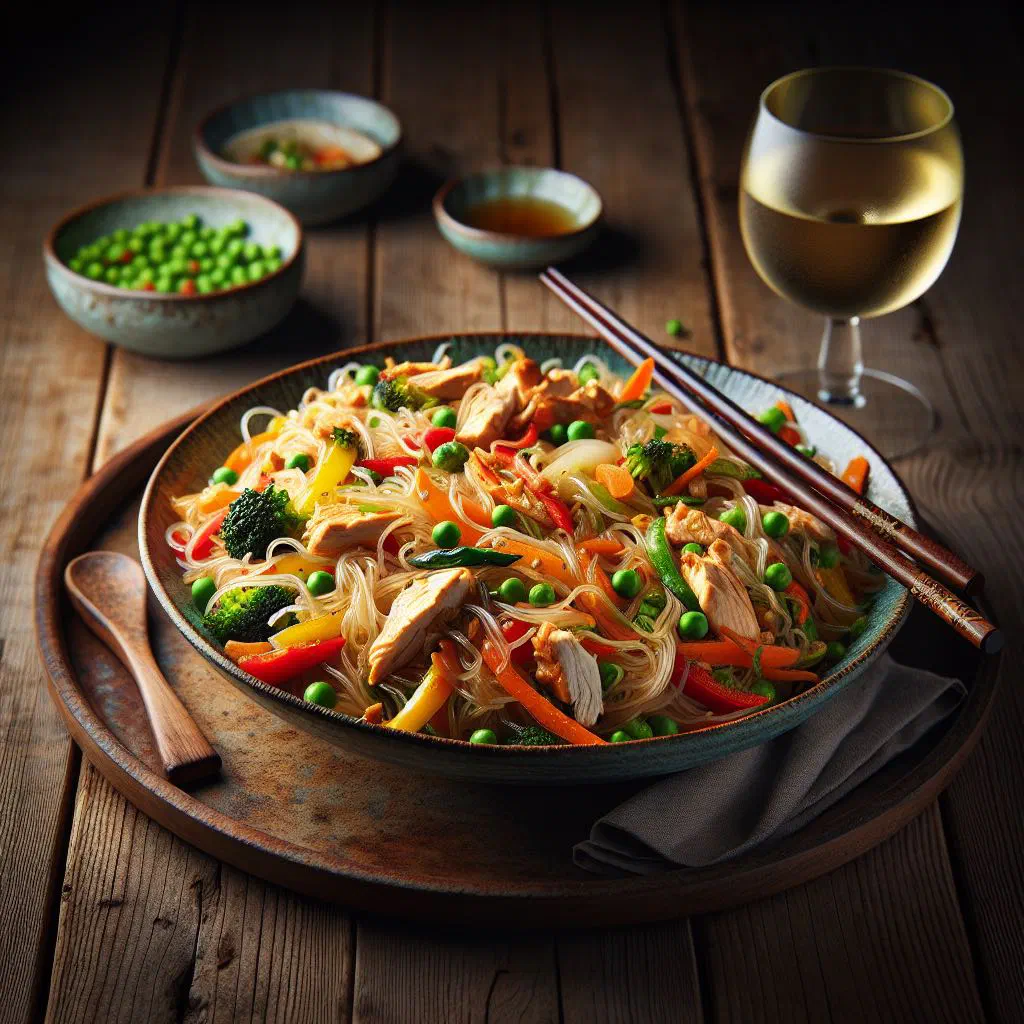
Discover Pad Woon Sen, a much-loved Thai glass noodle stir-fry that brings the bright, balanced flavours of Thailand straight to your wok. Springy, translucent noodles soak up a savoury sauce while crunchy vegetables and your choice of chicken or tofu round out the dish. Light yet satisfying and ready in minutes, it makes the perfect weeknight supper when you fancy something a little more exotic without the fuss.
About Pad Woon Sen
Pad Woon Sen is a popular Thai dish built around glossy glass noodles tossed with a mix of vegetables and, more often than not, a little meat or tofu. It is especially prized for its light yet boldly seasoned character. The noodles are stir-fried with aromatic sauces that bring out the dish’s distinctive personality, marrying the flavours of Thailand in a wonderfully moreish way. Quick to make and genuinely good for you, it is an ideal choice for a fast, healthy dinner.
Ingredients (serves 1–2)
- 100g glass noodles
- 1 carrot
- 1 pepper
- 100g chicken breast or tofu
- 2 tablespoons soy sauce
- 1 tablespoon oyster sauce (optional)
- 1 teaspoon sugar
- 1 clove garlic
- 1 spring onion
- 1 tablespoon peanut oil
Shopping for the ingredients
Before you start cooking, make sure you have all the fresh, good-quality ingredients to hand. An Asian supermarket is the ideal place to track down the best glass noodles and sauces. Check that the chicken or tofu is fresh and pick up crisp, crunchy vegetables. These small details make a big difference to the finished result, much as they do in a fragrant Gaeng Massaman.
Preparing the dish
Good preparation is the key to a successful Pad Woon Sen. Begin by soaking the glass noodles in warm water until they soften. While they sit, slice the vegetables into fine strips and cut the chicken or tofu into bite-sized pieces. Have everything else, such as the soy sauce and garlic, prepped and within easy reach so it is all ready to go once you start cooking.
Step-by-step instructions
- Heat the peanut oil in a large frying pan or a wok.
- Fry the chicken or tofu until golden brown.
- Add the chopped garlic and cook briefly until fragrant.
- Tip in the vegetables and stir-fry for about 3–4 minutes, until just tender.
- Add the soaked glass noodles along with the soy sauce, oyster sauce and sugar. Mix well.
- Stir-fry everything together for a further 2 minutes or so, until the noodles have soaked up the sauce.
- Garnish with sliced spring onions and serve.
Gluten-free / lactose-free version
Glass noodles are naturally gluten-free, which makes them perfect for anyone with a gluten intolerance. Do check, though, that your soy sauce and oyster sauce are gluten-free too, as these are widely available in supermarkets. Those who are lactose intolerant need not worry at all, since this dish contains no dairy whatsoever.
Tips for vegans and vegetarians
For a vegan or vegetarian version of this recipe, simply swap the chicken for tofu or another protein such as tempeh. Be sure to use a vegan oyster sauce, which is made from mushrooms, and reach for a vegan soy sauce as well. That way you can tailor the dish entirely to your own dietary needs, as is just as easy with a hearty Pad Pak Bung.
More tips and tricks
To give your Pad Woon Sen an even more exotic edge, try adding a little grated ginger or some fresh coriander. If you like things hot, throw in a few chillies or a pinch of chilli powder. Experiment with different vegetables such as courgette or bok choy to make the dish more colourful and nutritious still.
Adapting the recipe to your taste
Pad Woon Sen is a wonderfully adaptable dish that can be varied to suit your palate. You might use more or less sauce, for instance, depending on how punchy you like it. Adding spices such as turmeric or cumin can create intriguing flavour combinations too. Do not be afraid to make your very own version of Pad Woon Sen.
Ingredient substitutions
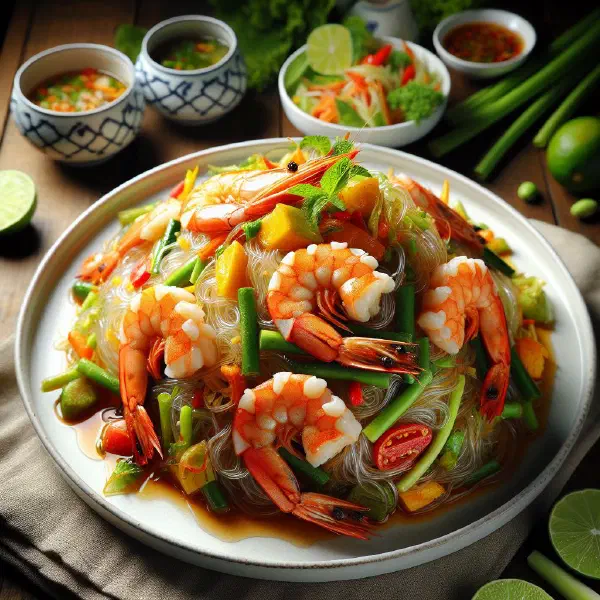
If you cannot find certain ingredients, there is always an alternative. In place of chicken you could use prawns or pork, much as the seafood that stars in a Yum Woon Sen Goong Sod. If you have no glass noodles to hand, rice noodles will do, though the texture will be different. For the soy sauce, tamari or liquid aminos make a good stand-in.
Drink pairing ideas
A refreshing drink is a particularly good match for a savoury Pad Woon Sen. A classic jasmine tea or a chilled green tea harmonises beautifully with the flavours. If you prefer something alcoholic, opt for a light, fruity white wine or an Asian lager. A lemonade made with fresh lime and mint is another lovely accompaniment.
Serving and presentation ideas
Presentation often plays a big part in Thai cooking. Serve your Pad Woon Sen in a handsome ceramic bowl and garnish it with fresh herbs such as coriander or Thai basil. A scattering of sesame seeds or peanuts on top lends the dish a special touch. A tastefully laid table with a few Asian elements completes the experience.
A bit of history
Pad Woon Sen has its roots in Thai street food, where it has long been a favourite for its quick, nourishing nature. It pairs the typical flavours of Thailand with the versatility of glass noodles, which originally came from China. This culinary fusion reflects the historical ties and cultural exchange between the two countries. Pad Woon Sen is a symbol of the variety and creativity of Thai cuisine.
More recipe ideas
Summary: Pad Woon Sen
Pad Woon Sen is a simple yet versatile dish that wins everyone over with its glossy glass noodles and aromatic flavour. It is easily adapted to a range of dietary needs and offers plenty of scope for variation. Vegan or gluten-free, Pad Woon Sen remains a delicious, wholesome meal you will happily return to again and again. Have fun trying it out and enjoy your very own take on this Thai classic.