National Dish Thailand: Panang Gai (Recipe)
In this article
Discover Panang Gai, a wonderfully fragrant chicken curry that captures the heart of Thai cooking. Richer and a touch milder than many of its cousins, this dish balances creamy coconut milk with the warm depth of Panang curry paste, the savoury punch of fish sauce and a gentle sweetness. Crowned with crushed peanuts and fresh basil, it brings the exotic aromas of Thailand straight to your table, and it is far easier to make at home than you might think.
About Panang Gai
Panang Gai, also known as Panang Curry Chicken, is a classic Thai dish traditionally built around chicken, coconut milk and Panang curry paste. It has a luxuriously creamy texture and sits at the milder end of the Thai curry spectrum, making it approachable even for those new to spicy food. What sets it apart is the addition of peanuts and kaffir lime leaves, which lend the curry its signature nutty richness and citrus fragrance. It is a firm favourite among lovers of Thai cooking and a brilliant introduction to the cuisine.
Ingredients (serves 1–2)
- 200 g chicken breast, cut into strips
- 200 ml coconut milk
- 2 tablespoons Panang curry paste
- 1 tablespoon fish sauce
- 1 tablespoon brown sugar
- 2 kaffir lime leaves, finely sliced
- 1 red pepper, cut into strips
- 2 tablespoons peanuts, crushed
- Fresh basil, to garnish
Shopping for the ingredients
For this recipe you will need a few special ingredients that are easily found in Asian grocers or a well-stocked supermarket. Be sure to choose a good-quality Panang curry paste, as it has the single biggest impact on the flavour of the finished dish. Use fresh chicken and look for a coconut milk without unnecessary additives. If your local shop falls short, most of these items, including the curry paste and kaffir lime leaves, can also be ordered online.
Preparing the dish
Before you start cooking, it pays to have all your ingredients prepped and ready. Slice the chicken into even strips and cut the red pepper into fine pieces so everything cooks at the same pace. Shred the kaffir lime leaves into thin ribbons to release their aroma. Have the curry paste and coconut milk close to hand, so you can add them quickly once the pan is hot and the cooking moves along smoothly.
Step-by-step instructions
- Heat 2 tablespoons of coconut milk in a pan until it begins to bubble and froth.
- Stir in the Panang curry paste and cook until a fragrant aroma develops.
- Add the chicken and cook until it is fully cooked through.
- Pour in the remaining coconut milk, then add the fish sauce, brown sugar and kaffir lime leaves.
- Stir in the red pepper and bring everything briefly to a simmer.
- Garnish with crushed peanuts and fresh basil before serving.
Gluten-free / lactose-free version
This dish is easily made gluten-free and lactose-free. Simply check that your Panang curry paste contains no gluten-bearing ingredients, as some brands include wheat-based thickeners. Coconut milk is naturally lactose-free, but it is always worth a quick glance at the label to be sure. If you would rather avoid fish sauce, you can swap it for a gluten-free soy sauce, much as you might in a fellow Thai favourite such as Kaeng Ped.
Tips for vegans and vegetarians
To make this recipe vegan or vegetarian, replace the chicken with tofu or vegetables such as aubergine and courgette. As ever, take care that the remaining ingredients contain no animal products. The fish sauce can be substituted with a blend of soy sauce and a little dried seaweed, which recreates that characteristic umami depth. The result is just as satisfying, with all the creamy comfort of the original curry intact.
More tips and tricks
For a deeper, more rounded flavour, let the curry paste and coconut milk simmer a little longer before adding the other ingredients. If you like more heat, toss in a few red chillies to taste. Serve the curry with jasmine rice or noodles to turn it into a complete meal. Any leftovers freeze well and reheat beautifully, making this a handy dish to cook in a larger batch.
Adapting the recipe to your taste
Panang Gai is wonderfully easy to tailor to your own preferences by using more or less curry paste. For a creamier consistency, add a splash more coconut milk. You can also bulk it out with extra vegetables such as carrots or courgette. Don’t be afraid to experiment with the balance of flavours until you have created your perfect version of this Thai classic.
Ingredient substitutions
If you can’t find kaffir lime leaves, a little grated lime zest makes a reasonable stand-in. The peanuts can be swapped for other nuts such as cashews for a slightly different texture. And if coconut milk isn’t to your liking, soy milk can deliver a similar creaminess, though you may want to adjust the seasoning to compensate. Clever substitutions like these let you adapt the dish to whatever you have to hand.
Drink pairing ideas
Panang Gai pairs beautifully with light, fruity wines such as a Riesling or a Gewürztraminer, whose touch of sweetness offsets the spice. A Thai beer like Singha or Chang also complements the curry wonderfully. If you prefer something alcohol-free, try a glass of fresh lime juice or a lightly sweetened iced tea to cool the palate between mouthfuls.
Serving and presentation ideas
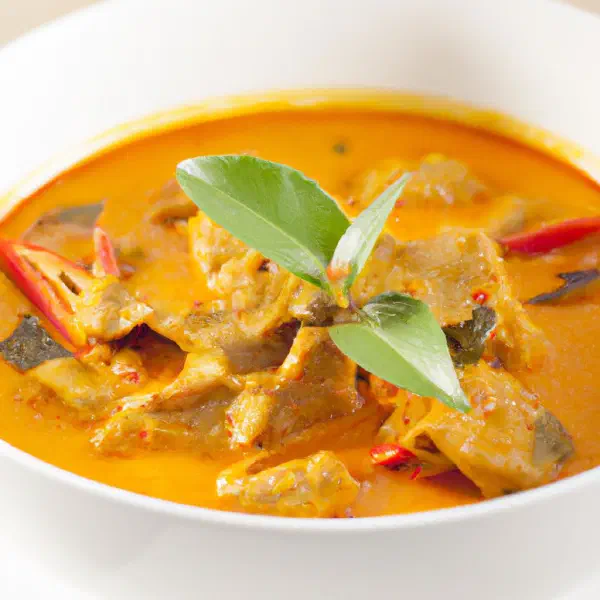
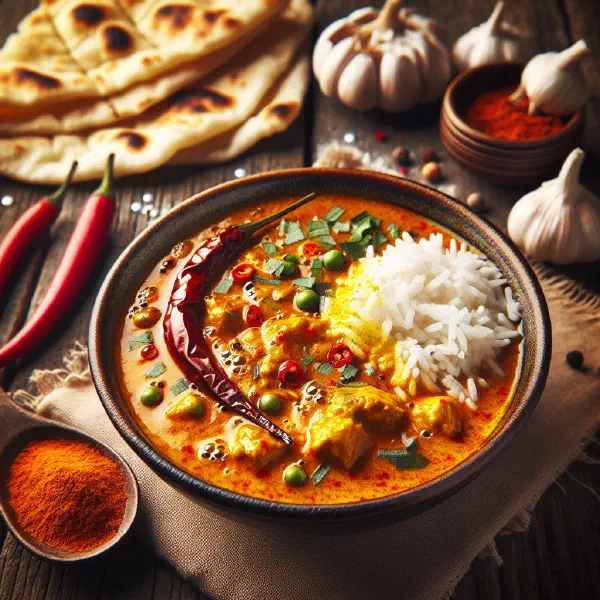
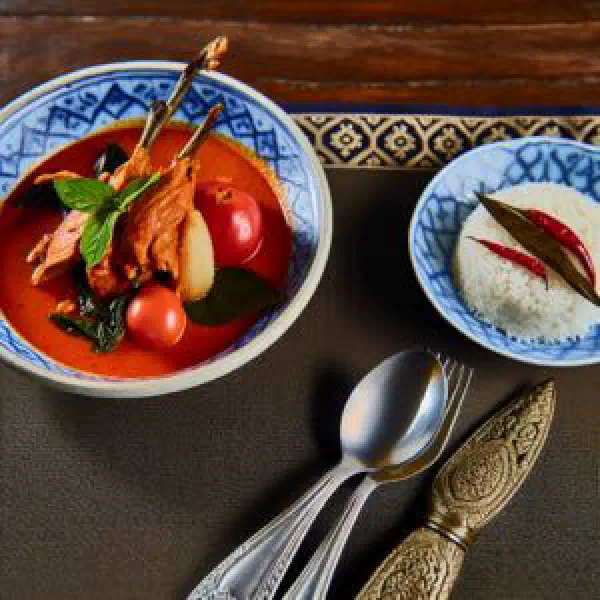
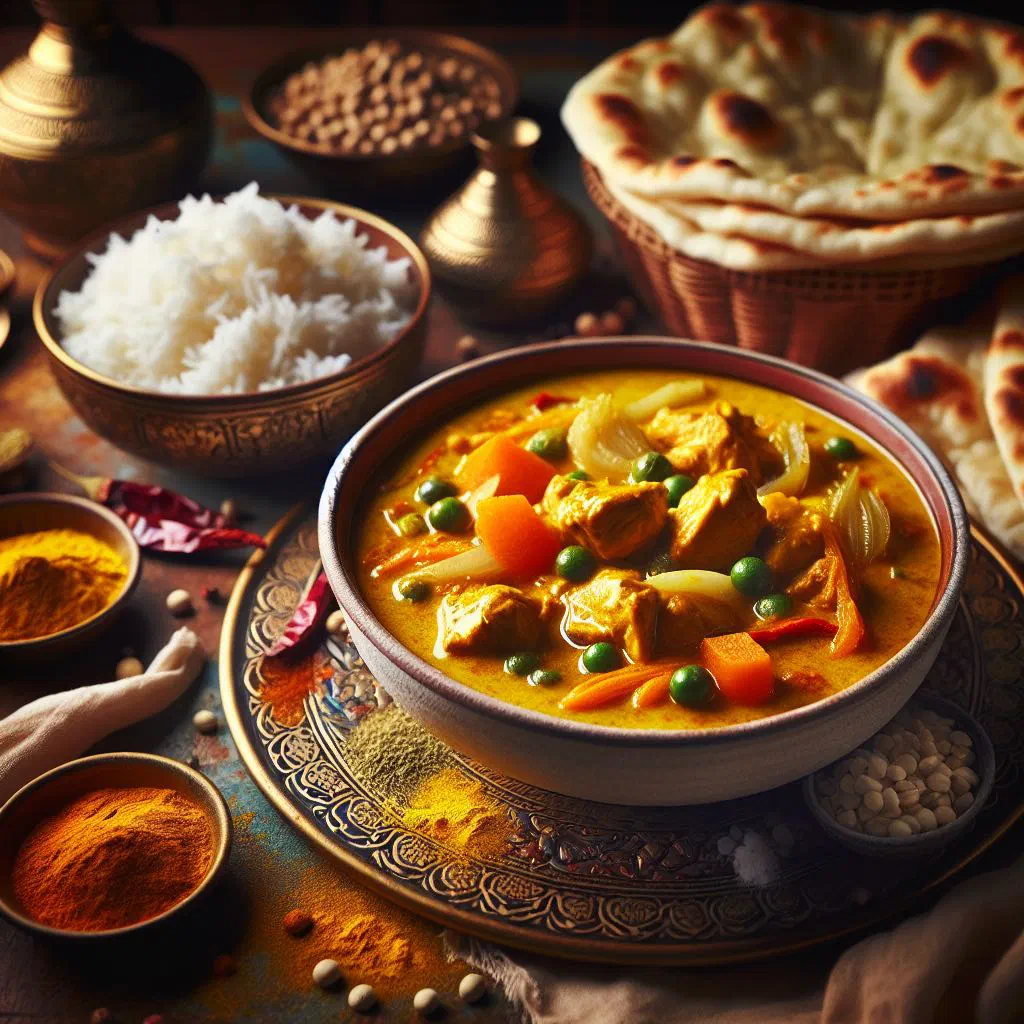
Serve your Panang Gai in handsome ceramic bowls and garnish with fresh herbs such as basil and coriander. A scattering of crushed peanuts adds both crunch and visual appeal, while a bowl of steaming jasmine rice alongside completes the picture. A few decorative lime wedges on the plate are the finishing touch, a presentation that does justice to the rich heritage of Thai cuisine.
A bit of history
Panang Gai originally hails from central Thailand and takes its name from the city of Penang, now part of Malaysia, reflecting the cross-border exchange of flavours in the region. It is a firmly established part of the Thai repertoire and is often served on special occasions. The dish embodies the long history and rich diversity of Thai cookery, which has absorbed influences from many neighbouring cultures over the centuries, a heritage it shares with hearty curries like Gaeng Massaman.
More recipe ideas
Summary: Panang Gai
Panang Gai is a versatile and delicious dish that you can easily recreate at home. It offers a wonderful balance of sweetness, spice and creaminess that is so typical of Thai cooking. With the right ingredients and a little preparation, you’ll have no trouble conjuring up an authentic Panang Gai that appeals to the palate. Give it a go and savour the aromas of Thailand in your own kitchen.