National Dish Thailand: Phanaeng Curry (Recipe)
In this article
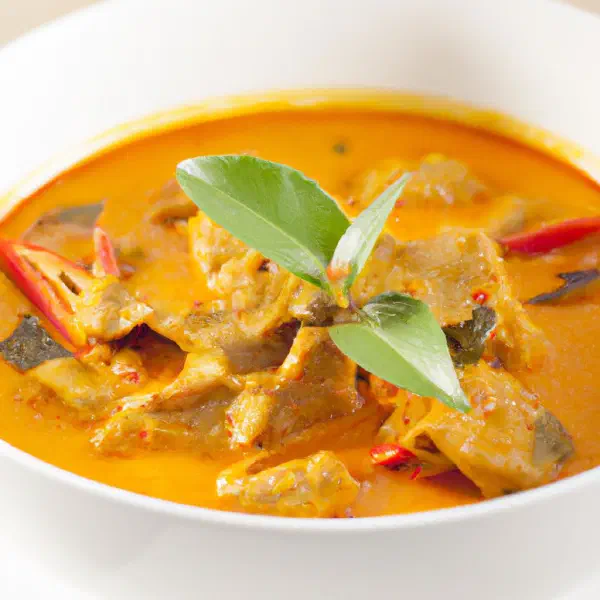
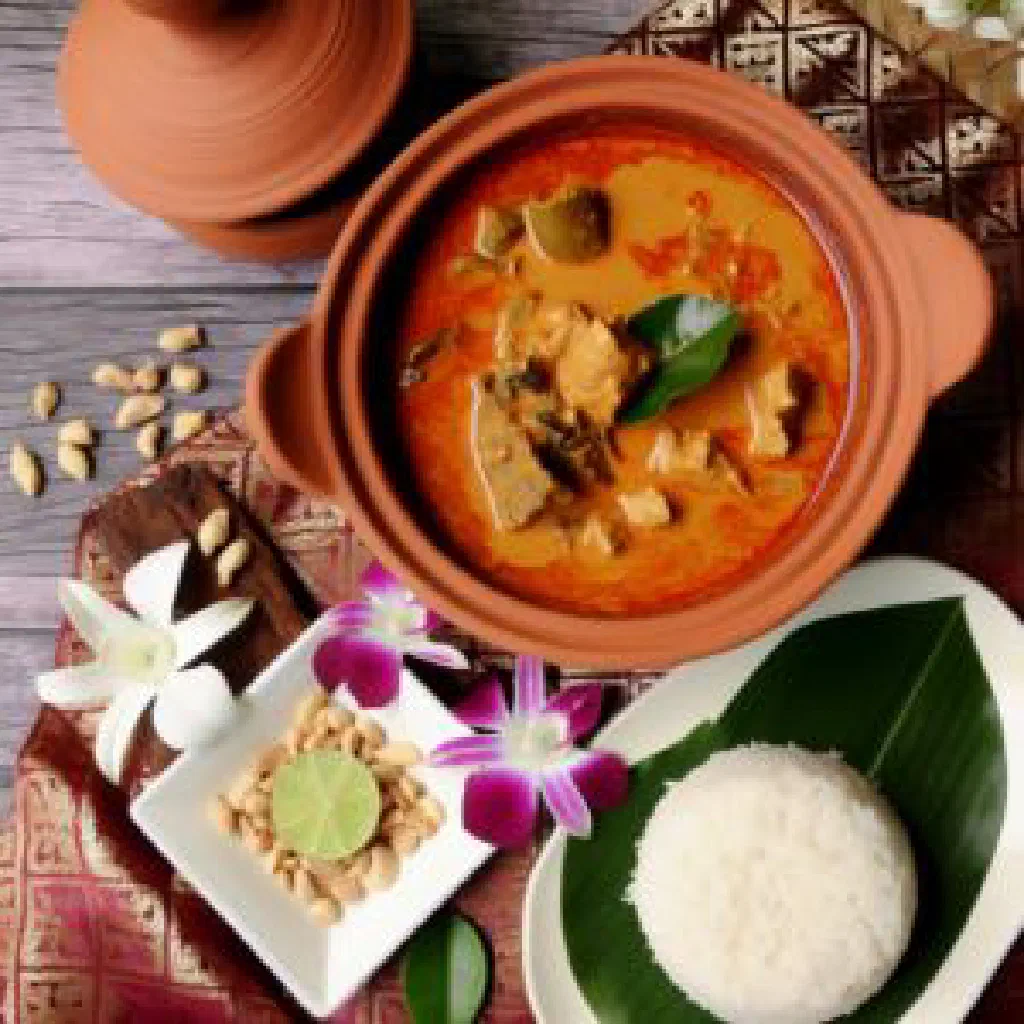
Discover Phanaeng Curry, one of Thailand’s most beloved curries. This rich, creamy dish marries tender meat with the warmth of fragrant spices and the sweetness of coconut milk. Mellower and thicker than many of its fiery cousins, it strikes a beautiful balance of savoury, sweet and nutty notes. This curry is wonderfully approachable and brings a genuine taste of Thailand straight to your table.
About Phanaeng Curry
Phanaeng Curry is one of the most varied and delicious dishes in Thai cuisine, celebrated for its creamy texture and deeply layered aroma. At its heart lies the combination of tender meat, intense spices and coconut milk, which together create an unmistakable flavour experience. Thicker and a touch sweeter than a standard red curry, it carries a gentle nuttiness that sets it apart. Easy to prepare yet impressive to serve, this curry is guaranteed to bring a little piece of Thailand to your dining table.
Ingredients (serves 1–2)
- 300 g chicken breast or beef
- 200 ml coconut milk
- 2 tablespoons phanaeng curry paste
- 1 tablespoon fish sauce
- 1 teaspoon sugar
- 2–3 kaffir lime leaves
- 1–2 tablespoons peanuts (optional)
- Fresh vegetables of your choice (e.g. peppers, broccoli)
- Coriander, to garnish
Shopping for the ingredients
For an authentic Phanaeng Curry, it is well worth choosing fresh, high-quality ingredients. The curry paste is the key to this dish and can be found in Thai speciality shops or in well-stocked supermarkets. Look for a paste without artificial additives to bring out the very best flavour. If you have the chance to source fresh vegetables and herbs locally, all the better. It benefits both the quality of your cooking and the environment.
Preparing the dish
Before you start cooking, it pays to have everything prepared. Cut the meat into bite-sized pieces and slice the vegetables into even portions, which ensures uniform cooking and an attractive finished dish. Don’t forget to gently tear the kaffir lime leaves to release their fragrant oils, and keep all your other ingredients close to hand so you lose no time once the pan is hot.
Step-by-step instructions
- Heat a little oil in a pan and add the phanaeng curry paste. Stir-fry the paste for a few minutes until fragrant.
- Add the sliced meat and sear briefly until lightly browned.
- Pour in the coconut milk and bring everything to a gentle simmer.
- Stir in the fish sauce, sugar and kaffir lime leaves.
- Add the prepared vegetables and let them cook for about 5 minutes, until just tender.
- Finally, stir through the peanuts and garnish the curry with fresh coriander.
Gluten-free / lactose-free version
Making a gluten-free and lactose-free Phanaeng Curry is perfectly straightforward. Use a gluten-free fish sauce and check that all your other ingredients are free from gluten too. Coconut milk is naturally lactose-free, so you can use it with complete confidence. It is wise to read the labels on your spice pastes as well, just to be sure they contain no hidden gluten.
Tips for vegans and vegetarians
To create a vegan Phanaeng Curry, swap the meat for tofu or tempeh, which you can marinate beforehand to deepen the flavour. Various vegetables such as aubergine or courgette also make an excellent choice. In place of fish sauce, reach for soy sauce or a homemade blend of seaweed and water. This way you can conjure up a wonderfully tasty dish that suits plant-based diets just as happily, much like a hearty Pad Pak Gaeng Daeng.
More tips and tricks
The secret to a perfect Phanaeng Curry lies in balancing the flavours. Experiment with the amounts of curry paste, fish sauce and sugar to find your ideal taste. You can also lift the dish with a squeeze of lime juice or a little fresh fruit purée to add a fruity note. It is precisely this interplay of sweet and salty that gives the curry its special kick.
Adapting the recipe to your taste
Everyone has their own preferences in the kitchen, and Phanaeng Curry lends itself beautifully to adaptation. Prefer it hotter? Simply add fresh chilli or a little more curry paste. For a milder version, reduce the amount of paste. You can also vary your choice of vegetables by season and taste, creating new flavour combinations every time. That keeps the dish not only exciting but healthy and colourful too.
Ingredient substitutions
Sometimes certain ingredients can be hard to track down, but there is no need to worry. There is always an alternative. If phanaeng curry paste is unavailable, you can use a red curry paste as a base instead, as in a classic Kaeng Ped. In place of coconut milk, plant-based options such as almond or cashew cream work well, though bear in mind they may not fully replicate the sweet, nutty character of coconut, even so, the result is still delicious.
Drink pairing ideas
The right drink can lift the whole Phanaeng Curry experience. Ice-cold options such as fresh Thai iced tea or simply water with lime work especially well. If you prefer wine, lighter whites like Sauvignon Blanc or Riesling pair beautifully with the flavours of the curry. Exotic cocktails with pineapple or mango also make a lovely accompaniment, underscoring that unmistakable Thai atmosphere.
Serving and presentation ideas
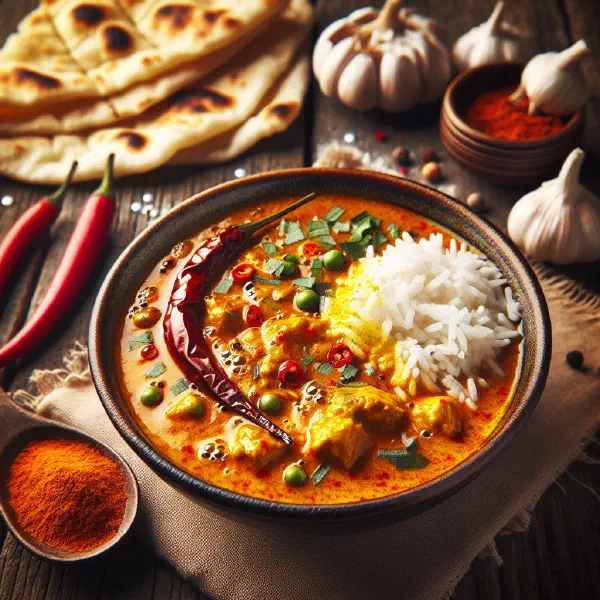
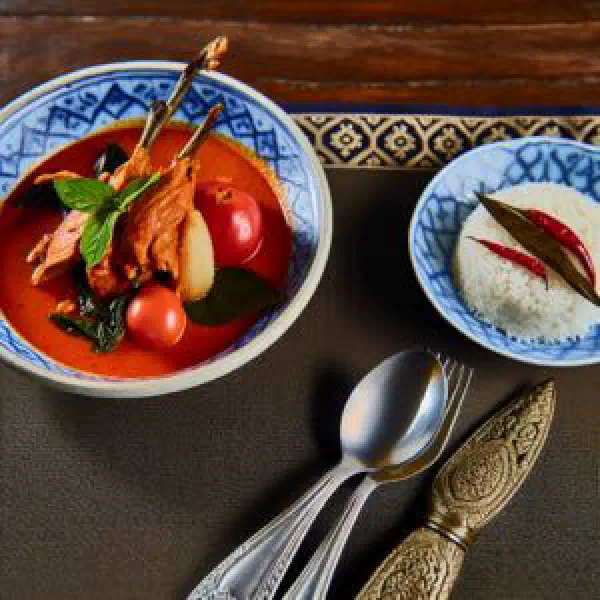
Presentation plays a big part in the overall experience. Serve your Phanaeng Curry in decorative bowls or on a large platter, garnished with fresh coriander and a wedge of lime. Slices of fresh red chilli add a striking accent to the plate while piquing your guests’ curiosity. Arrange the rice in a small bowl alongside to create a harmonious and inviting presentation.
A bit of history
Phanaeng Curry has its origins in Thailand and is enjoyed across many regions of the country. Often regarded as one of the finest of all curries, it has rightly earned international acclaim. Intriguingly, its name is thought to derive from “Penang,” a Malaysian island, hinting at the historic exchange of ingredients and cooking techniques across the region. A love of fresh, aromatic ingredients and the skilful use of spices remains central to Thai cuisine, which gives this dish its enduring appeal alongside classics like Gaeng Massaman.
More recipe ideas
Summary: Phanaeng Curry
In short, Phanaeng Curry is a true highlight of Thai cooking. It is easy to vary and adapt to personal taste, making it the perfect dish for all kinds of occasions and palates. With the right combination of ingredients and spices, you can fall in love with the flavours of Thailand and enjoy a creative culinary experience. Give it a go, experiment freely, and savour the wonderfully colourful variety of Thai cuisine.