National Dish Thailand: Pla Muek Pad Kai Kem (Recipe)
In this article
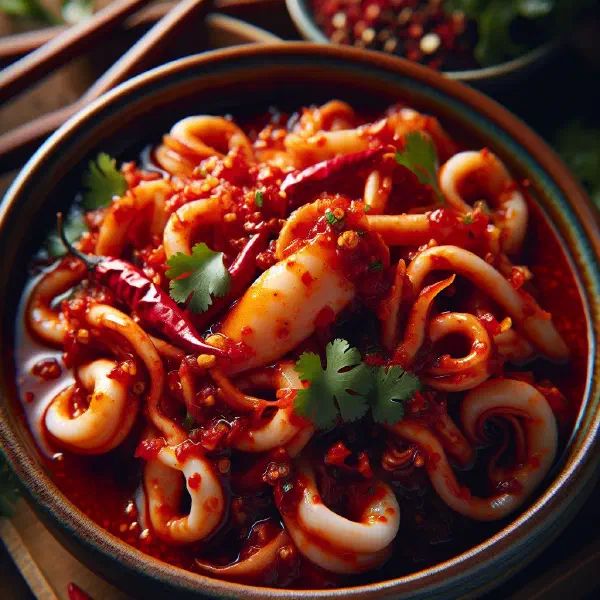
Meet Pla Muek Pad Kai Kem, a deliciously different seafood dish from the heart of Thai cooking. Tender rings of squid are stir-fried with salted egg, garlic and chilli until everything is fragrant and glossy, then brightened with a squeeze of lime. Savoury, gently spicy and full of bold coastal character, it brings the lively flavours of a Thai kitchen straight to your table. Perfect served over steaming rice for a quick yet memorable meal.
About Pla Muek Pad Kai Kem
Thai cuisine is celebrated the world over for its exotic aromas and its knack for balancing salty, sour, sweet and spicy in a single mouthful. Pla Muek Pad Kai Kem is a wonderful example: the tender bite of squid meets the rich, savoury punch of salted egg to create a flavour combination that is hard to forget. Traditionally served across many regions of Thailand, it has earned a firm place in local kitchens. This dish is always a delicious choice, and one that is surprisingly straightforward to recreate at home.
Ingredients (serves 1–2)
- 200g fresh squid, cleaned and cut into rings
- 2 salted eggs, peeled and diced
- 2 cloves garlic, finely chopped
- 1 red chilli, finely chopped
- 1 tablespoon vegetable oil
- 1 teaspoon soy sauce
- 1 teaspoon fish sauce
- 1 teaspoon sugar
- Fresh coriander, to garnish
- Fresh lime juice, to taste
Shopping for the ingredients
When shopping for this dish, it is well worth paying attention to the freshness and quality of what you buy. The squid in particular should be as fresh as possible to deliver the best flavour and texture. Many Asian grocers and well-stocked supermarkets also carry salted eggs, an essential component that gives the dish its distinctive savoury depth. Look out for fresh herbs such as coriander too, as these lend the finished plate a lovely fresh note. Vegetable oil, soy sauce and fish sauce are everyday staples of Thai cooking and easy to find almost anywhere.
Preparing the dish
Begin by cleaning the squid thoroughly and slicing it into thin rings so it cooks quickly and evenly. Peel and dice the salted eggs, then finely chop the garlic and chilli. Because the cooking moves fast, it pays to have every ingredient measured out and within easy reach before you start. With everything ready to go, the whole process runs smoothly and you can serve the dish hot and at its best, much like a brisk Thai stir-fry should be.
Step-by-step instructions
- Heat the vegetable oil in a frying pan over medium heat.
- Add the chopped garlic and chilli and fry for 1–2 minutes, until fragrant.
- Add the squid rings and stir-fry for 3–4 minutes, until lightly golden.
- Add the diced salted eggs and mix everything together well.
- Season with soy sauce, fish sauce and sugar, then let it simmer for a further 2–3 minutes.
- Adjust with fresh lime juice and garnish with coriander before serving.
Gluten-free / lactose-free version
To make Pla Muek Pad Kai Kem gluten-free, simply use a gluten-free soy sauce, as conventional soy sauces often contain wheat. Every other ingredient is naturally free of gluten, so no further changes are needed. The dish is also naturally lactose-free, since it contains no dairy products at all. With this one small swap, anyone with a gluten intolerance can enjoy the authentic taste of Thailand without compromising on quality or flavour.
Tips for vegans and vegetarians
As written, this recipe relies on both squid and salted egg, which makes it unsuitable for vegans and vegetarians. With a little imagination, though, a plant-based alternative is well within reach. Tofu or seitan stands in beautifully for the squid, while a combination of marinated tofu and a pinch of black salt mimics the savoury, eggy character of the salted egg. Take care that any sauces and seasonings you reach for are vegan, and you will have a satisfying meal that everyone can share.
More tips and tricks
The single most important tip for this dish is to avoid overcooking the squid, leave it on the heat too long and it turns tough and rubbery. A cooking time of around 3–4 minutes is ideal for keeping it tender and juicy. Handle the salted eggs gently, as their flavour is intense and a little goes a long way. It is also worth tuning the heat of the chilli to your own taste: hold back on the amount or remove the seeds before chopping for a milder result, and keep experimenting until you find the perfect balance of flavours.
Adapting the recipe to your taste
Thai cooking is famous for its flexibility and its willingness to bend to different palates. If salted eggs are not to your liking, you can swap them for hard-boiled eggs; the character of the dish shifts, but it remains every bit as delicious. For a milder plate, reduce the chilli or leave it out entirely, and for more fire, simply add extra. With a few easy tweaks, Pla Muek Pad Kai Kem can be tailored exactly to your own preferences, in much the same spirit as a fiery Pad Cha.
Ingredient substitutions
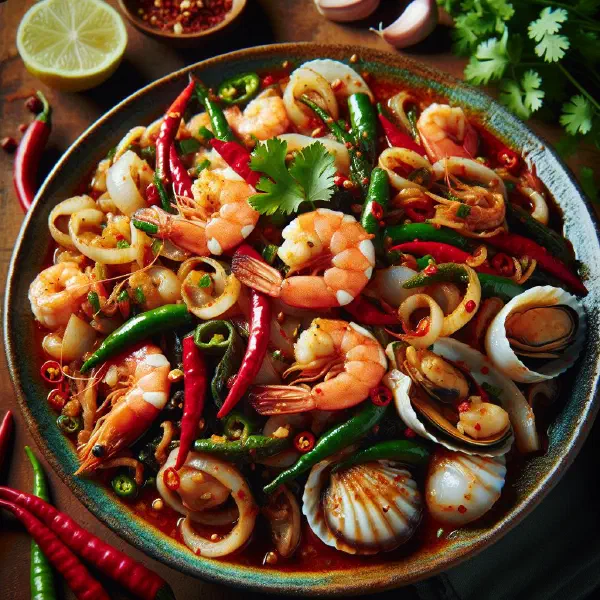
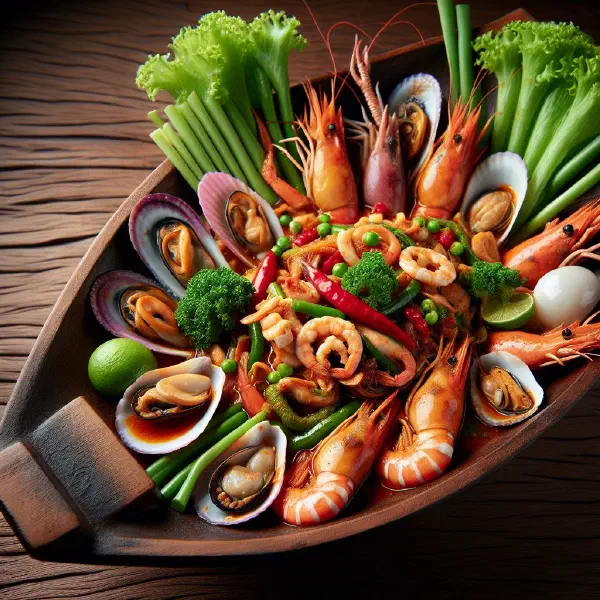
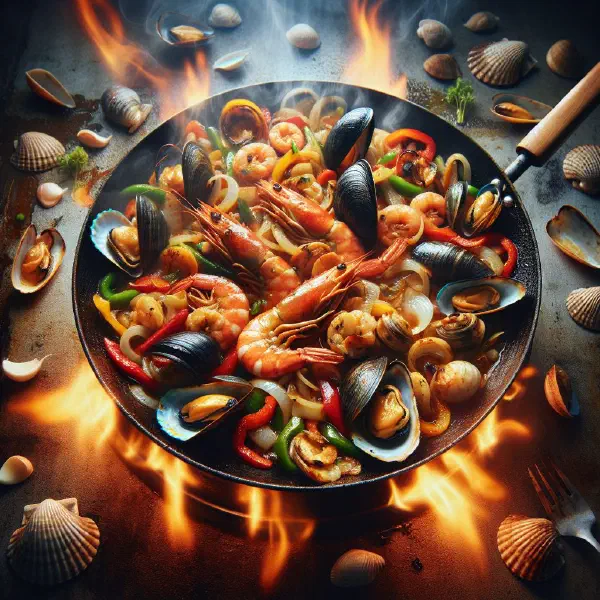
Sometimes certain exotic ingredients are hard to track down. If you cannot find fresh squid, frozen works well. Just thaw it fully and drain it thoroughly to avoid excess moisture. Salted eggs can be replaced with ordinary boiled eggs if you would rather skip their intense flavour or simply cannot source them. In some cases other seafood, such as prawns or mussels, makes a fine substitute too, giving the dish an interesting twist while keeping it firmly within the realm of traditional Thai cooking. Think of the prawns that shine in Goong Gratiem Prik Thai.
Drink pairing ideas
A refreshing drink can round out the experience of Pla Muek Pad Kai Kem beautifully. A Thai iced tea or a cold beer pairs wonderfully with the dish, while a crisp white wine can lift the flavours and offer a harmonious match. If you prefer something non-alcoholic, a homemade lemonade blend or a chilled ginger tea is ideal. Both are refreshing and help to balance the dish’s gentle heat.
Serving and presentation ideas
Presentation can make a real difference to the meal. Serve Pla Muek Pad Kai Kem in a stylish bowl and garnish it with fresh coriander and a few lime wedges; this adds colour and a welcome hit of freshness. A small dish of extra chilli and lime juice for seasoning at the table is a thoughtful touch too. Be sure to serve the dish piping hot so the aromas come fully into their own, and a nicely laid table rounds off the whole dining experience.
A bit of history
Pla Muek Pad Kai Kem has its roots in traditional Thai cooking and is often served in the country’s coastal regions. The pairing of seafood and egg is a hallmark of many Thai dishes, reflecting a rich culinary heritage shaped by the sea’s bounty and a bright, varied culture. Salted eggs themselves have a long history in Asian kitchens, prized for their unique flavour and texture. Bringing them together with squid showcases exactly the creativity and attention to detail that make Thai cuisine so distinctive, qualities you will also taste in a comforting bowl of Khao Pad Moo Sap.
More recipe ideas
Summary: Pla Muek Pad Kai Kem
In short, Pla Muek Pad Kai Kem is a true highlight of Thai cuisine. The combination of squid and salted egg offers a unique taste experience that is at once exotic and reassuringly familiar. With the right ingredients and a little practice, this dish is easy to recreate in your own kitchen. And while the recipe calls for a few special ingredients, there are plenty of ways to adapt it and find alternatives, so that people with particular dietary needs or preferences can enjoy it too. A well-chosen drink and an appealing presentation are all it takes to round off a wonderful meal.