National Dish Thailand: Pla Neung Manao (Recipe)
In this article
Discover Pla Neung Manao, a Thai classic that celebrates the clean, bright flavours of the sea. A whole fish is gently steamed until tender, then crowned with a zingy sauce of lime juice, garlic and fiery chilli. Bright, fresh and surprisingly light, this dish balances sour, spicy and savoury in true Thai style. Bring the lively spirit of a Bangkok seafood table straight to your own kitchen.
About Pla Neung Manao
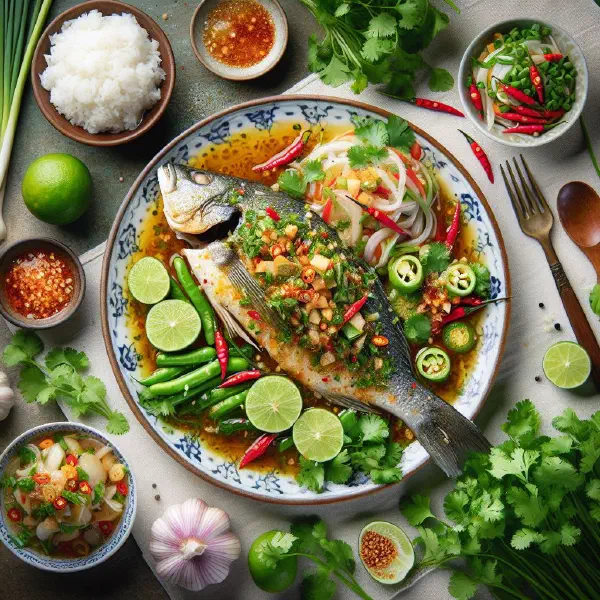
Pla Neung Manao is a classic Thai fish dish prized for its fresh and zesty flavours. At its heart is a whole steamed fish served in a sauce of lime juice, garlic, chilli and other aromatic ingredients. It is the perfect choice for anyone after a light and healthy meal that is nonetheless packed with flavour. The dish captures the hallmark Thai balance of sour, spicy and savoury, and is just as at home on a weeknight table as it is at a celebratory feast.
Ingredients (serves 1–2)
- 1 whole fish, about 400–500g (e.g. sea bass or tilapia)
- 2–3 limes
- 4–5 cloves of garlic
- 2–3 red Thai chillies
- 2 tablespoons fish sauce
- 1 teaspoon sugar
- A few sprigs of fresh coriander
- 1–2 spring onions
- 1 piece of ginger (about 2 cm)
- 1–2 cups water
Shopping for the ingredients
Shopping for Pla Neung Manao is mostly about choosing a fresh fish. Visit a market or a well-stocked fishmonger for the best results. Be sure to pick up fresh limes and coriander too, as these are the leading flavours in the sauce. The remaining ingredients should be easy to find in any supermarket, and the chillies and fish sauce are also widely available in Asian grocers.
Preparing the dish
Prepare the fish by cleaning and scaling it if needed. Score the fish along its sides so the flavours can soak in later. Check that everything else is ready too: the garlic should be peeled, the chillies deseeded and chopped, and the limes juiced. The better the preparation, the easier and more stress-free the cooking becomes.
Step-by-step instructions
- Leave the fish whole or fillet it, then make several shallow cuts along the sides.
- Place the fish in a steamer and heat over a medium flame.
- Finely chop the garlic and chillies, and slice the ginger into thin rounds.
- Mix the lime juice with the fish sauce and sugar, stirring thoroughly to combine.
- After about 15 minutes, lift the steamed fish out of the steamer and transfer to a plate.
- Pour the prepared sauce over the fish and garnish with chopped coriander and spring onions.
- Serve at once to enjoy the freshness and aromas at their best.
Gluten-free / lactose-free version
This original recipe contains no gluten, so it can be enjoyed entirely gluten-free. There is no lactose either, which makes the dish naturally lactose-free as well. Do take care, though, that the fish sauce contains no hidden gluten, as this can vary from brand to brand. A glance at the label is all it takes to keep the dish safe for those with an intolerance.
Tips for vegans and vegetarians
A vegan or vegetarian version of Pla Neung Manao is easy to achieve by swapping the fish for tofu or seitan. Use a vegan fish sauce or soy sauce in place of the traditional fish sauce. This adaptation lets you reach the same flavour heights without using any animal products, while keeping that signature lime-and-chilli brightness intact.
More tips and tricks
Experiment with the number of chillies to tune the heat to your taste. For a milder version, deseed the chillies or simply use fewer. Fresh ginger can be replaced with ground ginger if you have none to hand. Remember, too, that the main flavour rests on the quality and freshness of the limes, so choose the juiciest you can find. If you enjoy this style of steamed seafood, you might also like Pla Nung Buai.
Adapting the recipe to your taste
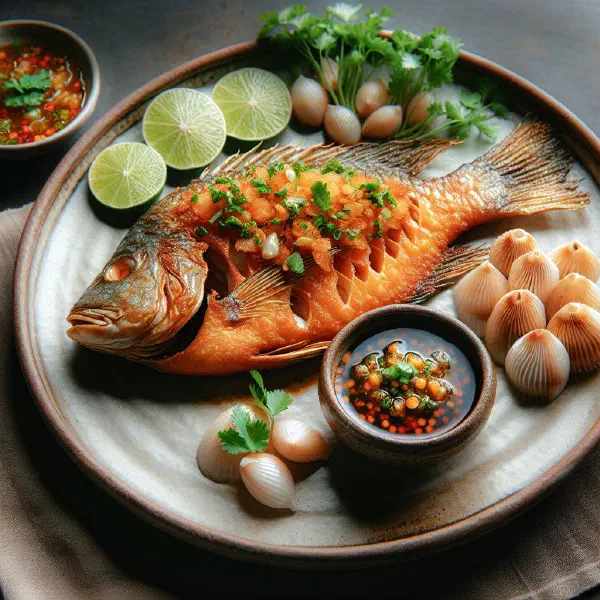
Once you have mastered the basic recipe, you can start to vary the dish to suit your own preferences. Try different kinds of fish to change the character of the meal. Adding extra herbs such as mint or basil can introduce interesting new nuances. Keep experimenting until you find the perfect version for you, and for a fierier, sauce-soaked take on fish, take a look at Pla Raad Prik.
Ingredient substitutions
Instead of coriander you can use parsley if coriander is not to your taste. Lime juice can be replaced with lemon juice, which gives the dish a slightly different but equally refreshing note. If fresh chillies are unavailable, dried chilli flakes or chilli powder will bring the necessary heat. These kinds of swaps are common across Thai cuisine, where cooks happily adapt to whatever is freshest, much as in the balanced sweet-sour-spicy Pla Sam Rod.
Drink pairing ideas
A perfect partner for Pla Neung Manao is a cold beer, which pleasantly tempers the heat of the dish. A dry white wine also harmonises beautifully with the fresh flavours of the fish and lime. For an alcohol-free option, we recommend a freshly squeezed lime or lemon juice with a hint of mint. Each of these keeps the meal light and lets the zesty sauce shine.
Serving and presentation ideas
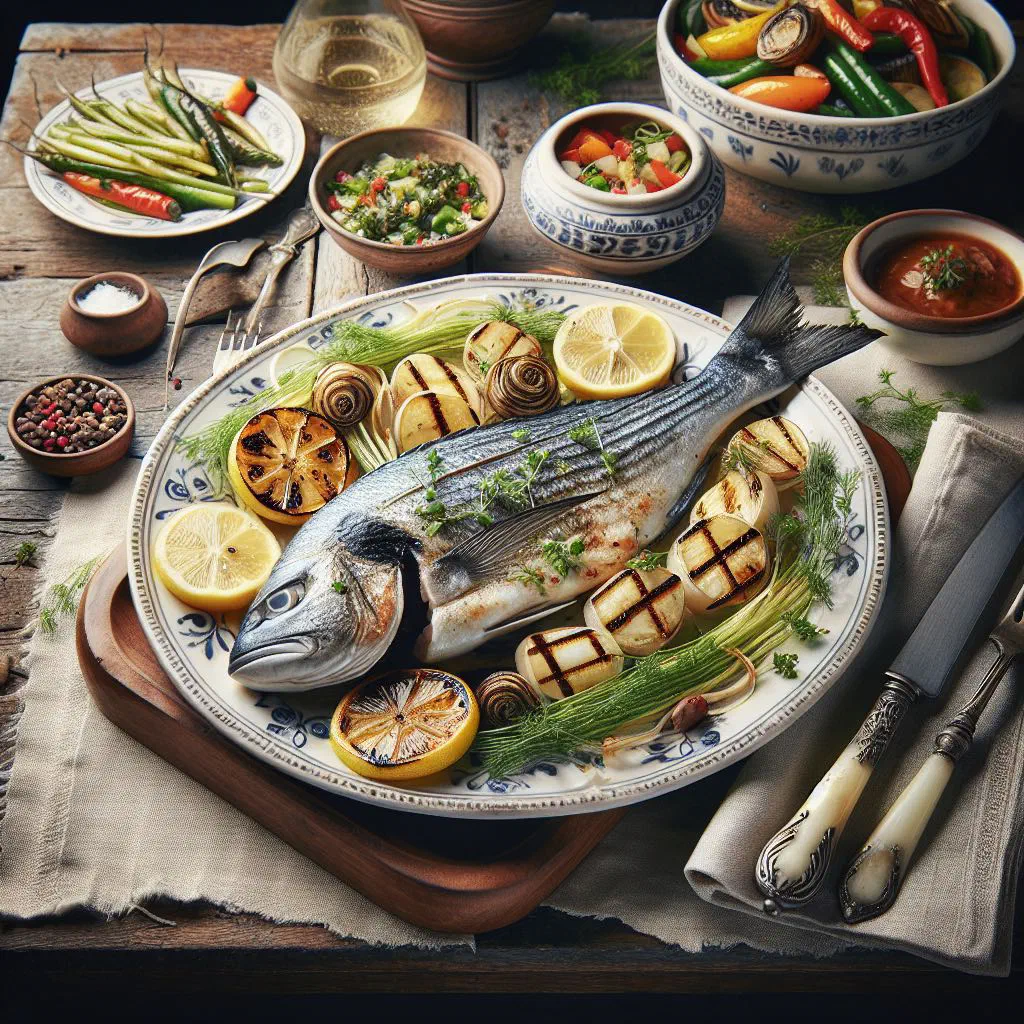
Present the fish on a large, decorative platter to show off the colourful ingredients. Arrange it in the centre and garnish generously with fresh herbs and thin slices of lime. Steamed rice or a crisp salad make ideal accompaniments, rounding the dish off both visually and in flavour. A few extra wedges of lime on the side invite everyone to add their own finishing squeeze.
A bit of history
Pla Neung Manao has its roots in Thailand’s fish cookery, a tradition known for its simple preparation and intense flavours. The dish brings together the classic elements of Thai cuisine, the balance of sour, spicy and sweet. It is a fine example of the refinement and variety of Thai food culture, and often takes pride of place on festive menus or in upmarket restaurants. Alongside dishes such as the rich, mild Gaeng Massaman, it shows just how broad the Thai repertoire can be.
More recipe ideas
Summary: Pla Neung Manao
Pla Neung Manao is a striking fish dish that wins over diners with its fresh and intense flavours. It is easy to prepare and, thanks to its flexible recipe, offers endless room for personal variation. With simple ingredients and a little preparation, you can recreate this delicious Thai dish right in your own kitchen. Give it a go and let the cuisine of Thailand work its magic on you.