National Dish Thailand: Pla Neung Manow (Recipe)
In this article
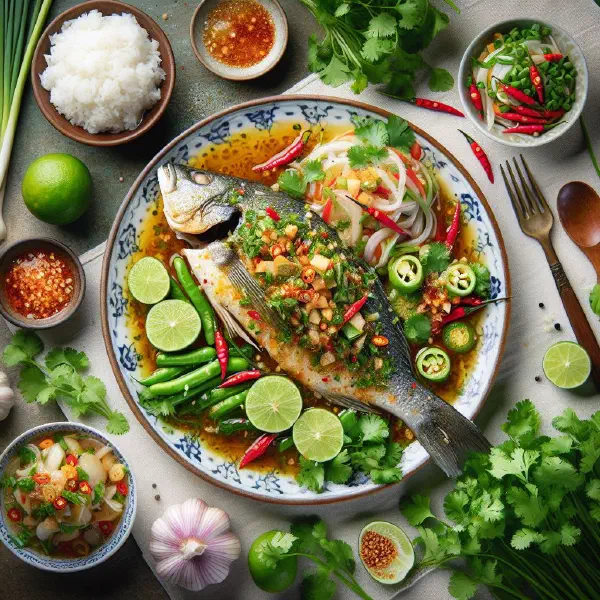
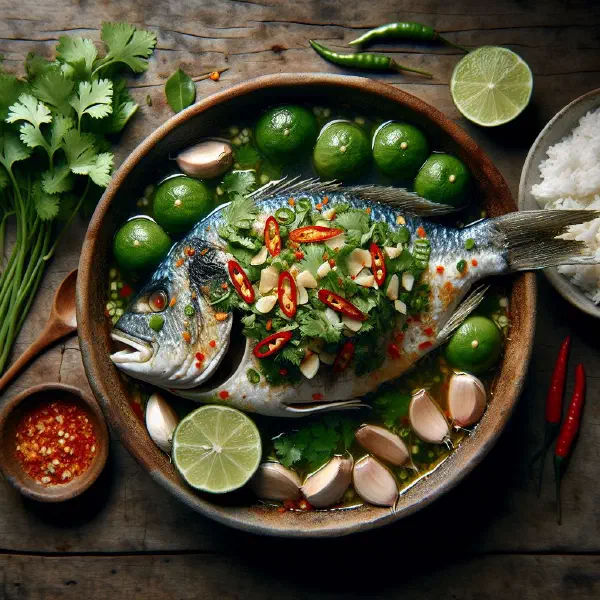
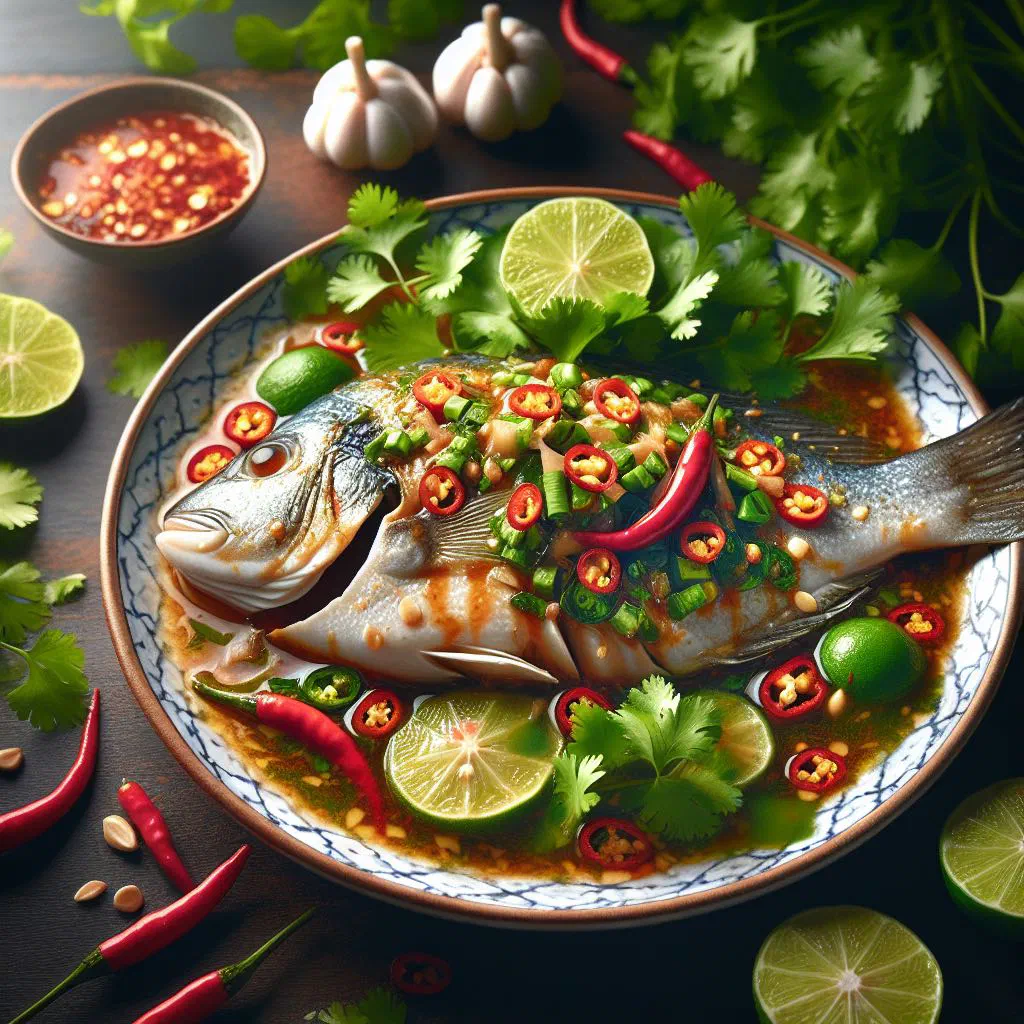
Meet Pla Neung Manow, a wonderfully light dish that shows off the best of Thai cooking: delicate steamed fish brightened with sharp lime juice, fragrant herbs and a gentle kick of chilli. It is fresh, healthy and surprisingly simple to put together, yet every bite bursts with the zingy, aromatic flavours Thailand is famous for. Bring a taste of the Thai coast straight to your own table with this bright fish supper.
About Pla Neung Manow
The national dish Pla Neung Manow is a fine example of Thai cuisine, celebrated for its exciting combinations of flavour. The dish puts the tender taste of steamed fish centre stage, pairing it with fresh lime juice and aromatic herbs to create a real treat for the senses. A little chilli lends a pleasant heat that makes it something special. It is a joy to eat and a genuinely healthy choice for anyone keeping an eye on their diet.
Ingredients (serves 1–2)
- 2 fresh fillets of white fish (such as cod or tilapia)
- 4–5 tablespoons fresh lime juice
- 1–2 fresh red chillies, thinly sliced
- 1 bunch fresh coriander leaves, roughly chopped
- 2–3 spring onions, finely sliced into rings
- Salt to taste
- 1 teaspoon soy sauce (optional)
Shopping for the ingredients
The ingredients for Pla Neung Manow are available in most supermarkets or Asian grocery shops. Be sure to pick out fresh fish to guarantee the best flavour. Where possible, choose sustainably caught or farmed fish so you get quality and environmental care in one. Fresh herbs such as coriander and spring onions should be crisp and fragrant, as they carry the main flavour of the dish.
Preparing the dish
To make a delicious Pla Neung Manow, good preparation is essential. Begin by cleaning and prepping the fish. Cut it into even pieces so it cooks through uniformly. Make sure all your ingredients, the lime juice, chilli and herbs, are ready to hand, so you can move quickly once cooking begins. This keeps the cooking point spot on and the fish lovely and moist.
Step-by-step instructions
- Place the fish in a heatproof bowl and sprinkle with salt.
- Spoon the lime juice, sliced chillies and chopped coriander leaves evenly over the fish.
- Cover the bowl with cling film or a snug-fitting lid.
- Set up a water bath or a steamer and carefully lower the bowl inside.
- Steam the fish for about 15–20 minutes, until cooked all the way through.
- Drizzle with soy sauce to taste and garnish with spring onions.
- Serve and enjoy.
Gluten-free / lactose-free version
Pla Neung Manow is naturally gluten-free and lactose-free, as it is made mainly from fresh fish and herbs. If you do want to add soy sauce, take care to pick a gluten-free variety. That makes the dish ideal for anyone with the relevant food intolerances. Thai cooking leans heavily on fresh ingredients, which helps keep the dish light and easy to digest.
Tips for vegans and vegetarians
There are plenty of ways to adapt the Pla Neung Manow recipe for vegans and vegetarians. In place of fish, use tofu or tempeh, both excellent sources of protein that soak up the marinade beautifully. You could also make a vegetable version with courgette, carrots and peppers, using the same aromatic ingredients. Adjust the cooking times and these options can be steamed too, preserving the texture and flavour. For another meat-free idea, try a Pad Pak Bung.
More tips and tricks
To make your Pla Neung Manow even tastier, experiment with different herbs and spices. Fresh ginger or garlic can add extra layers of flavour that lift the whole dish. Trying different kinds of fish or seafood can also bring new taste elements into play, much as the variety shines in a Yam Talay.
Adapting the recipe to your taste
The beauty of Pla Neung Manow lies in how flexible it is. Like it hotter? Add more chillies or reach for a fiery chilli sauce. If you prefer it milder, leave the chillies out altogether or swap them for mild peppers. The garnish is adjustable too, and the dish can be served with extra herbs or alongside rice to make a complete meal.
Ingredient substitutions
If some of the ingredients are hard to track down, there are easy swaps for Pla Neung Manow. Lemon juice can stand in for lime, even if the flavour shifts a little. When it comes to the fish, trout or plaice make suitable choices. Vegetarian alternatives such as jackfruit or mushrooms can be just as appealing while keeping the authentic character of the dish.
Drink pairing ideas
A light drink goes wonderfully with a fresh Pla Neung Manow. A cool Thai beer or a crisp white wine make lovely companions. For a non-alcoholic option, a refreshing lime or ginger tea complements the flavours of the dish beautifully. These pairings ensure the meal is all the more enjoyable.
Serving and presentation ideas
The presentation of Pla Neung Manow can transform the whole dining experience. Serve the fish on a colourful plate, garnished with fresh coriander and slices of chilli. A wedge of lime on the side adds not only colour but a fragrant note as you serve. The dish can also be arranged with fragrant jasmine rice or fresh vegetables for a polished finish.
A bit of history
Thai cuisine draws on a wealth of cultural influences, and Pla Neung Manow is no exception. Its use of fresh ingredients and aromatic herbs reflects the appreciation for quality at the heart of traditional Thai cooking. Steaming is one of the oldest cooking methods in Thailand, valued for preserving the nutrients in food. Historically, fish was widely eaten in coastal regions where freshly caught seafood was plentiful, a tradition that still underpins this dish today and runs throughout Thai cuisine.
More recipe ideas
Summary: Pla Neung Manow
In short, Pla Neung Manow is a healthy and tasty choice and a dish that captures the very soul of Thai cuisine. With fresh ingredients and a simple method, it appeals to the palate and brings an authentic note to the table. Give this recipe a go and discover the flavours of Thailand in your own kitchen. It is sure to become a new favourite with your dinner guests.