National Dish Thailand: Pla Nueng Manow (Recipe)
In this article
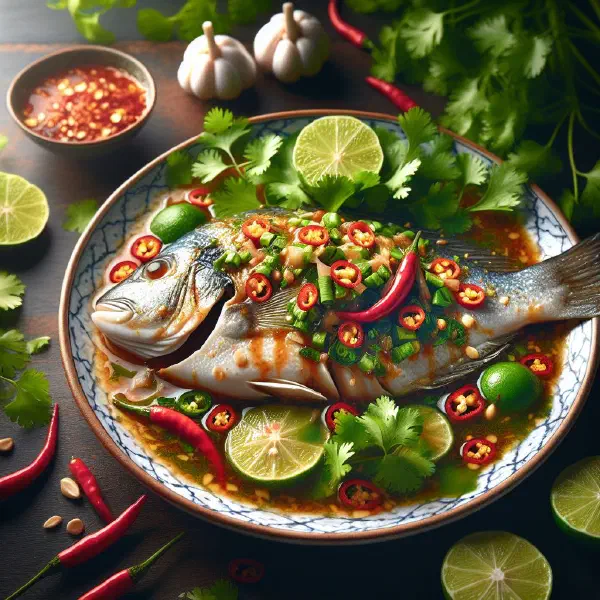
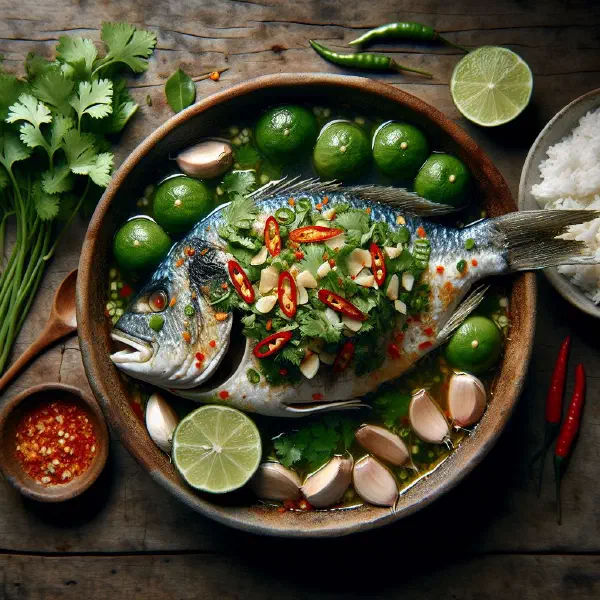
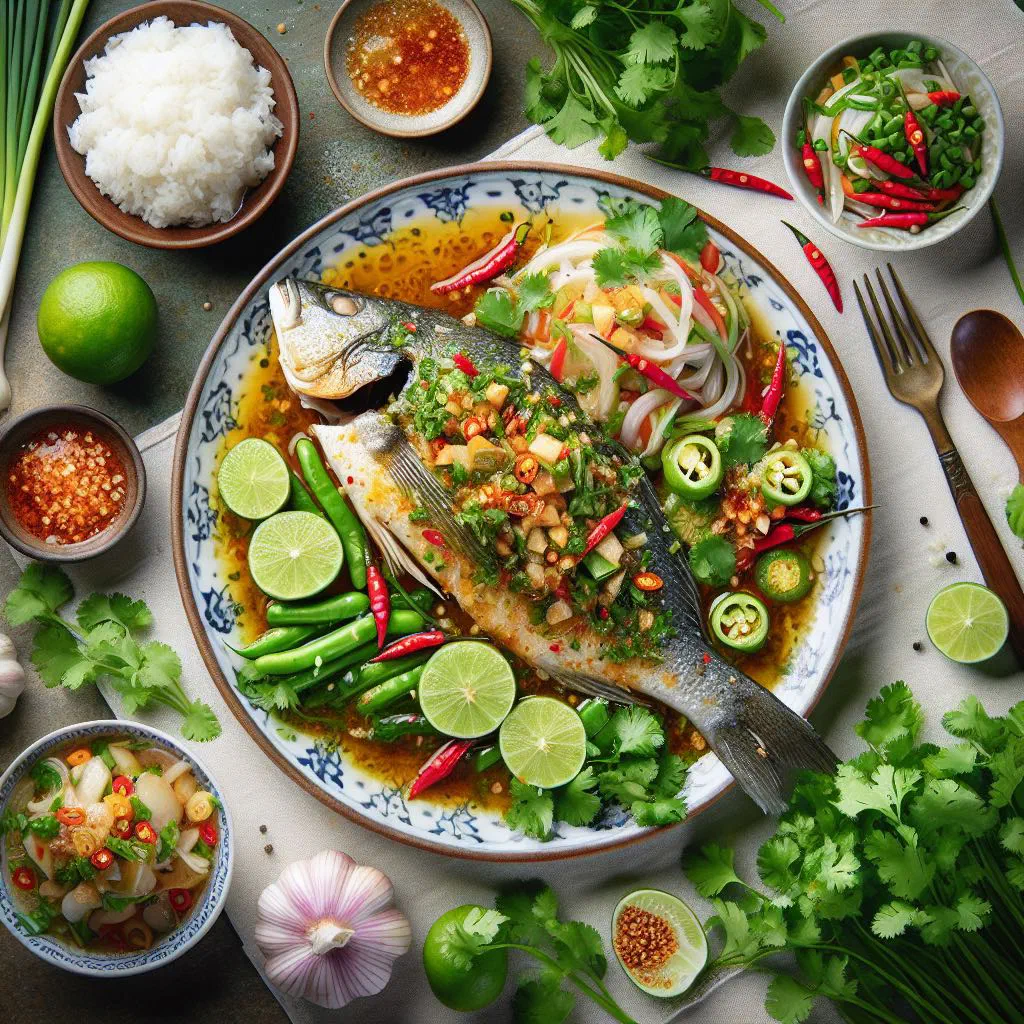
Say hello to Pla Nueng Manow, a true feast for anyone who loves Asian cooking. This Thai classic centres on tender steamed fish brought vividly to life with lime, chilli and fresh coriander. Served regularly across Thailand, it is regarded as a hallmark of traditional Thai cooking. Done well, it strikes a beautiful balance between heat and freshness that appeals to every palate, light, fragrant and surprisingly simple to recreate at home.
About Pla Nueng Manow
The Thai dish Pla Nueng Manow is a genuine treat for lovers of Asian food. At its heart is gently steamed fish, which truly comes into its own thanks to the bright flavours of lime, chilli and fresh coriander. In Thailand this dish is served often and is a symbol of traditional Thai culinary craft. The perfect version offers a harmonious balance between heat and freshness that wins over every palate, proving that simple, fresh ingredients can deliver the most memorable results.
Ingredients (serves 1–2)
- 400 g fresh fish (e.g. tilapia or sea bream)
- 2 limes (juice, plus a few slices to garnish)
- 2–3 fresh chillies (to taste)
- 1 bunch fresh coriander
- 2 cloves garlic, sliced
- 1–2 tablespoons soy sauce (or fish sauce)
- 1 teaspoon sugar
Shopping for the ingredients
To make Pla Nueng Manow, you will want fresh ingredients, which are easy to find in a Thai or Asian grocery. When choosing your fish, make sure it is fresh and of good quality. A good supply of limes matters too, as the juice contributes so much to the depth of flavour in the dish. The chillies and coriander should likewise be fresh, to guarantee the best possible aroma.
Preparing the dish
Before you start cooking Pla Nueng Manow, prepare all of your ingredients thoroughly. First, clean and fillet the fish if needed, removing any bones. Next, squeeze the limes and stir the juice together in a bowl with the soy sauce and sugar. Slice the chillies and garlic finely so their flavours spread evenly through the dish.
Step-by-step instructions
- Place the fish on a large plate and top it evenly with the garlic, chilli and lime juice.
- Arrange the lime slices over the fish.
- Cover the fish with a cloth to keep the aromas in.
- Bring water to the boil in a pan for steaming and steam the fish for around 15–20 minutes. Take care that the water does not splash onto the fish.
- Carefully plate up the cooked fish and garnish with fresh coriander before serving.
Gluten-free / lactose-free version
The wonderful thing about Pla Nueng Manow is that it is naturally easy to make gluten-free and lactose-free. Simply swap the soy sauce for a gluten-free version, or for a fish sauce that contains no gluten. Avoid adding any dairy products and stick to fresh ingredients throughout. That way, people with the relevant intolerances can enjoy this delicious dish too. The same naturally dairy-free approach shines in a bright Yam Talay.
Tips for vegans and vegetarians
For anyone living a vegan or vegetarian lifestyle, Pla Nueng Manow can be adapted as well. In place of fish, use tofu or seitan, which take on the flavours beautifully. Steam the tofu just as you would the fish, and use the same marinade of lime and chilli. In this way you create a vegan version of this Thai classic that is every bit as flavourful and aromatic.
More tips and tricks
To take your Pla Nueng Manow even further, try drizzling over a little dark soy sauce or scattering a pinch of toasted sesame across the dish. These small extras can lend a unique depth. A spicy pepper dip also works wonderfully to intensify the flavour as you eat. Feel free to experiment with additional herbs such as Thai basil to give the dish your own personal touch, a finishing trick that also lifts a fiery Pad Cha.
Adapting the recipe to your taste
Making Pla Nueng Manow is flexible and easily tailored to your own preferences. If you like it milder, reduce the number of chillies or use sweet peppers instead. You can also try different kinds of fish, such as salmon or trout, to discover new flavours. This keeps the dish exciting, so every time you make it becomes a fresh culinary experience.
Ingredient substitutions
If you do not have certain ingredients for Pla Nueng Manow to hand, there are plenty of alternatives. Instead of lime juice you can use lemon juice, which brings its own refreshing note. It is also fine to use frozen fish fillets in place of fresh fish. They can taste just as good when prepared properly. Be creative and adapt the recipe so it is perfect for you, much as you might with a robust Pla Sam Rod.
Drink pairing ideas
To round off the Pla Nueng Manow experience, serve a few refreshing drinks. A cold Thai beer or a classic, lightly sweetened iced tea pair beautifully with this dish. A zesty lime cocktail or a fruity smoothie can also complement the flavours of the meal in harmony. Bear in mind that the drinks you choose should support the taste of the fish rather than overwhelm it.
Serving and presentation ideas
A handsome presentation always matters, especially with a dish like Pla Nueng Manow. Plating it on a large, flat dish with a garnish of fresh herbs and lime can make it look truly inviting. Add colourful vegetable sides to create contrast and bring the plate to life. An appealing presentation turns the meal into an occasion and builds anticipation for the flavours to come, pair it with a fragrant Goong Ob Wun Sen for a full Thai spread.
A bit of history
The roots of Pla Nueng Manow reach deep into Thai culture, where fresh fish plays such an important part in the cuisine. Steaming is a traditional cooking method practised for centuries to preserve the freshness and natural flavour of the ingredients. In Thailand, this dish reflects the love of balancing freshness and heat that is so typical of Thai cuisine. And so Pla Nueng Manow is a piece of history on the plate.
More recipe ideas
Summary: Pla Nueng Manow
In short, Pla Nueng Manow is an outstanding example of Thai culinary craft. With its blend of fresh ingredients and bright, intense flavours, it is a delicacy that feels special yet remains simple to prepare. The ease with which the dish adapts to personal taste makes it especially versatile and ideal for any occasion. Let it inspire you, and enjoy a little piece of Thailand on your plate.