National Dish Thailand: Pla Pao (Recipe)
In this article
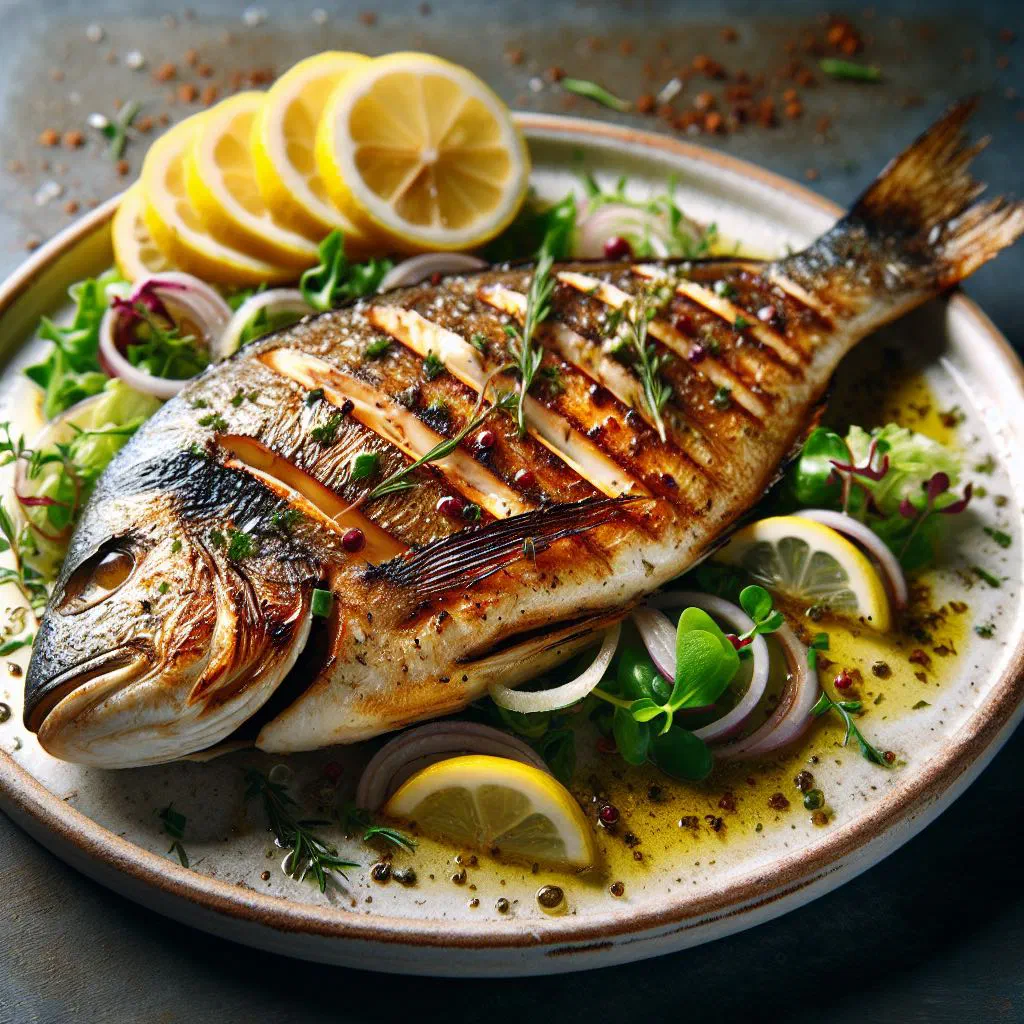
Discover Pla Pao, a smoky showpiece of Thai grilling. A whole fish is stuffed with fragrant lemongrass and lime leaves, sealed in a thick salt crust and cooked over an open flame until the flesh turns meltingly tender. It is a dish built for warm evenings and sociable gatherings, wholesome, full of bright citrus aromas and surprisingly simple to recreate at home. Bring the buzz of a Thai night market straight to your own back garden.
About Pla Pao
The dish Pla Pao is a genuine highlight of Thai cuisine, and it comes into its own during the warmer months when so much Thai cooking moves outdoors to the grill. A whole fish, usually a tilapia or sea bass, is wrapped in banana leaves and cooked over a live fire, sealing in moisture while a salt crust protects the delicate flesh. The result is delicious and packed with nutrients, and it is far easier to prepare than its impressive appearance suggests.
Ingredients (serves 1–2)
- 1 whole fish (tilapia or sea bass)
- 2–3 stalks lemongrass
- 2 kaffir lime leaves
- 200 g salt
- 4 tablespoons fish sauce
- 2 tablespoons soy sauce
- 2 cloves garlic, chopped
- 1 bunch coriander
- Banana leaves or aluminium foil
Shopping for the ingredients
Most of the ingredients for Pla Pao are easy to find in a well-stocked supermarket or an Asian grocery. Fresh fish is crucial to the flavour, so buy it from a reliable source and use it the same day if you can. Take care to choose firm, fragrant lemongrass and bright, perky coriander. Banana leaves are often sold frozen alongside other Asian ingredients, but if you cannot track them down, aluminium foil makes a perfectly good stand-in.
Preparing the dish
Getting the fish ready is the most important step. Scale it and clean it thoroughly inside and out. Cut the lemongrass into shorter lengths and bruise them lightly to release their aroma. The kaffir lime leaves lend the fish an extra citrus note, so have those to hand too. Finely chop the garlic and stir it together with the fish sauce and soy sauce. This mixture acts as a quick marinade that seasons the fish from the outside in.
Step-by-step instructions
- Rub the fish inside and out with salt and leave to rest for 10 minutes.
- Tuck the lemongrass pieces and kaffir lime leaves into the cavity of the fish.
- Marinate the fish with the soy and fish sauce mixture.
- Wrap the fish in banana leaves or aluminium foil.
- Grill over a preheated barbecue at medium heat for 20–30 minutes, turning occasionally.
- Serve the fish and garnish with fresh coriander.
Gluten-free / lactose-free version
Pla Pao is naturally gluten-free and lactose-free, as it contains no gluten- or lactose-bearing ingredients. The only thing to watch is the soy sauce, since some varieties are brewed with wheat. Reach for a certified gluten-free soy sauce and fish sauce to be completely sure, and you can serve the dish with total confidence to anyone with an intolerance.
Tips for vegans and vegetarians
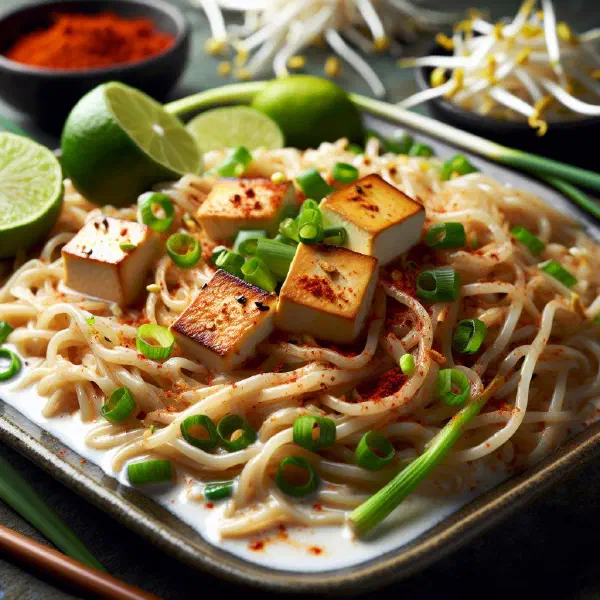
Vegetarians and vegans can put together a tasty alternative to Pla Pao by using tofu or aubergine in place of the fish. The method stays much the same, and tofu in particular soaks up the flavours of the marinade beautifully. Aubergine also grills wonderfully and offers a satisfying, meaty texture. Just be sure to use the same herbs and sauces so you keep that authentic Thai character.
More tips and tricks
A few extra touches can make your Pla Pao even better. For a deeper, smokier flavour, try adding a smoking sheet to the grill. If you do not have a barbecue, the fish bakes happily in the oven at 180°C for around 25 minutes. Just make sure it is fully cooked through before serving. A wedge of lemon or lime as a garnish rounds off the aroma perfectly.
Adapting the recipe to your taste
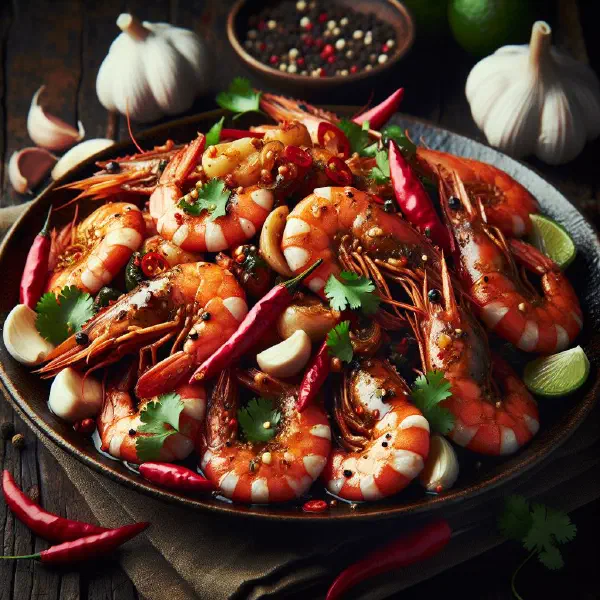
This recipe is easy to bend to your own preferences. If you like things hotter, throw in a few fresh chillies. For more herbal depth, add extra coriander or even some Thai basil. You can also swap the fish for seafood such as prawns or squid, the method stays the same and the result is every bit as good, much like the bright flavours of a Yam Talay.
Ingredient substitutions
If you cannot find a particular ingredient, there are sensible alternatives. Aluminium foil works in place of banana leaves for wrapping the fish. Kaffir lime leaves can be replaced with lemon zest to bring that same citrus lift. And if coriander is unavailable, parsley will do the job. Try to stay as close to the original as you can, though, to preserve the dish’s authentic flavour, the same care that goes into a classic Pla Sam Rod.
Drink pairing ideas
A number of drinks pair beautifully with Pla Pao. A Thai beer such as Singha or Chang is the most authentic choice. A lightly dry white wine like Sauvignon Blanc or Riesling also works well against the citrus notes of the fish. For an alcohol-free option, a lemon-flavoured iced tea or an infused water with cucumber and mint is ideal. Any of these will complement the meal perfectly.
Serving and presentation ideas
Thoughtful presentation lifts the whole experience. Serve the Pla Pao on a large plate and garnish with fresh coriander leaves and lemon slices. Use an attractive serving platter, especially when you have guests, and add a few chopsticks along with small bowls for sauces and dips. A bed of banana leaves underneath also makes a lovely decorative touch.
A bit of history
Pla Pao has a long tradition in Thai cuisine and is especially popular in the coastal regions. The dish has its roots in Thailand’s fishing culture, where fresh fish was always close at hand. Cooking the fish in banana leaves grew out of the need to prepare it without modern equipment. Today Pla Pao is found right across Thailand, served at busy markets and smart restaurants alike, a cornerstone of Thai cuisine.
More recipe ideas
Summary: Pla Pao
Pla Pao is a delicious, wholesome and wonderfully straightforward dish from the heart of Thai cooking. With fresh fish and aromatics such as lemongrass, kaffir lime leaves and coriander, it is grilled in banana leaves and unfolds its full, smoky flavour. It is naturally gluten-free and lactose-free, and adapts easily to suit different diets. With the right tips and tricks, anyone can recreate this traditional Thai dish at home and enjoy it.