National Dish Thailand: Pla Ta Pien Neung Buay (Recipe)
In this article
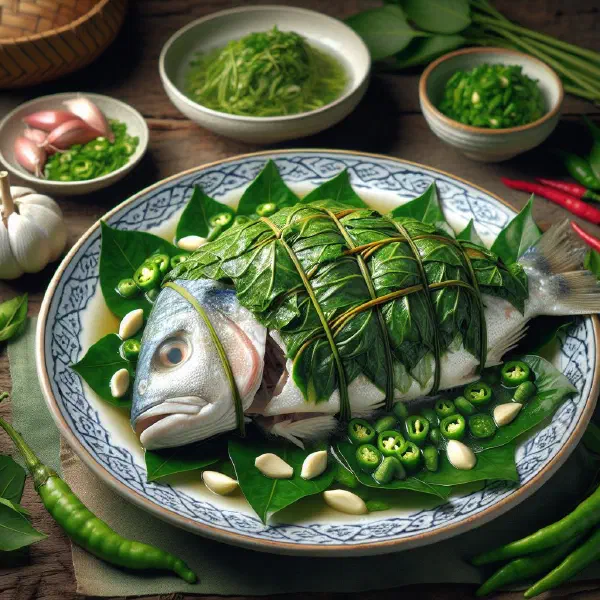
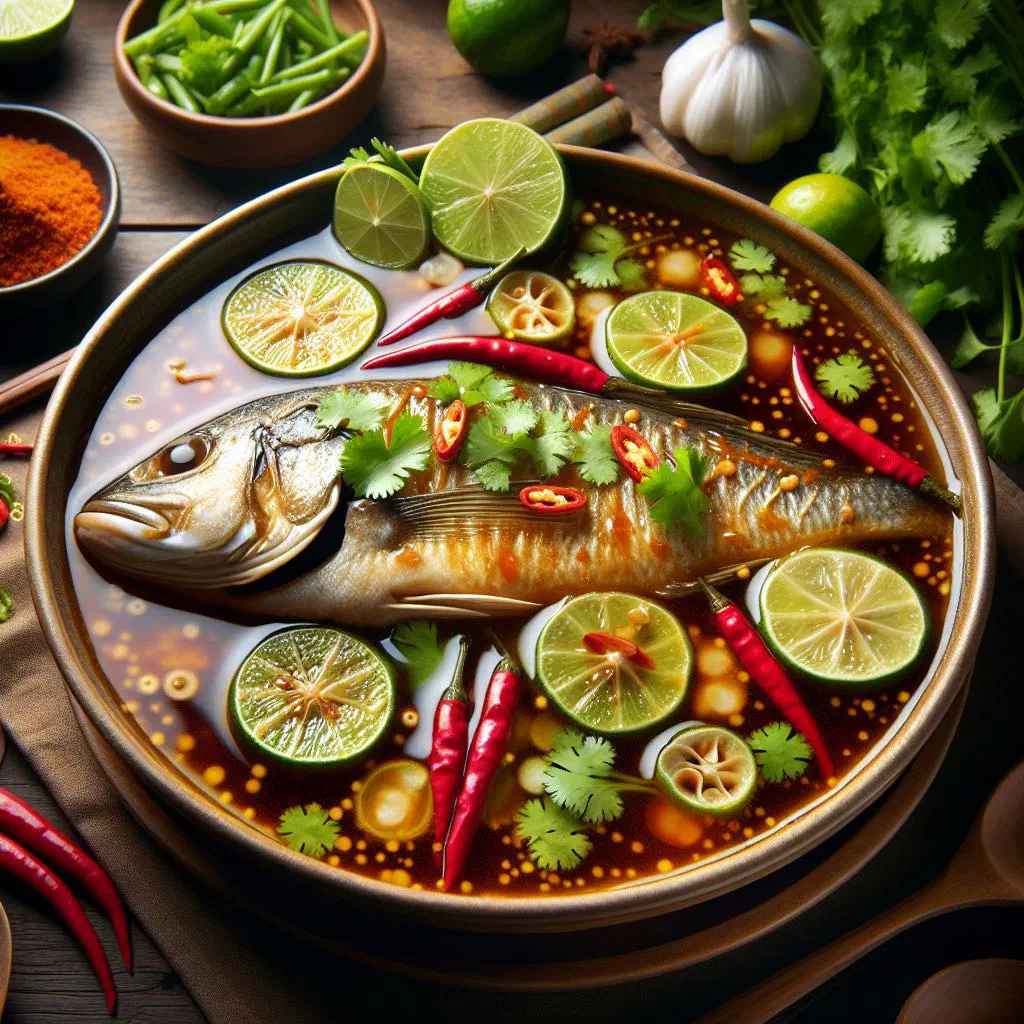
Say hello to Pla Ta Pien Neung Buay, a delicate steamed fish that captures everything wonderful about Thai home cooking. Tender fillets are gently steamed with fresh herbs, savoury soy sauce and a bright splash of lime, giving you a dish that feels light yet deeply satisfying. It is the kind of meal that proves healthy and flavoursome are never at odds. Perfect for a relaxed supper that still feels a little special.
About Pla Ta Pien Neung Buay
Pla Ta Pien Neung Buay is a true delicacy of the Thai kitchen, built around beautifully steamed fish with a tender texture and a wonderfully balanced flavour. The combination of fresh herbs, savoury soy sauce and a light lime dressing turns it into a feast for the senses. It is an ideal choice for anyone who loves food that is both healthy and full of flavour, and it slots easily into a weeknight menu or a more leisurely gathering with friends.
Ingredients (serves 1–2)
- 2 fresh white fish fillets (such as tilapia or pollock)
- 2 tablespoons soy sauce
- 1 tablespoon lime juice
- 2–3 fresh coriander sprigs
- 1 garlic clove, finely chopped
- 1 hot chilli, thinly sliced (optional)
- A few slices of ginger
Shopping for the ingredients
The ingredients for Pla Ta Pien Neung Buay are easy to find in most supermarkets and in Asian grocery shops. Choose fresh fish of good quality to get the very best flavour, and if you can land it from the water yourself, so much the better. Fresh herbs such as coriander lend the dish a special aroma, so it is well worth picking these up fresh too rather than reaching for dried alternatives.
Preparing the dish
Before you start cooking Pla Ta Pien Neung Buay, it pays to prepare everything properly. Rinse the fish fillets thoroughly and pat them dry with kitchen paper. Wash the herbs, such as the coriander and chilli, and have them ready to go. Chopping the garlic and slicing the ginger can also be done in advance, which keeps the cooking process smooth and stress-free once you begin.
Step-by-step instructions
- Lay the fish fillets on a plate and marinate them with the soy sauce and lime juice.
- Scatter the prepared herbs, chilli, garlic and ginger evenly over the fillets.
- Cover the plate with foil to trap the steam.
- Steam the fish in a steamer or a pan fitted with a steaming insert for about 15–20 minutes, until cooked through.
- Once cooked, carefully arrange the fish and serve with blanched vegetable sides.
Gluten-free / lactose-free version
For a gluten-free and lactose-free take on Pla Ta Pien Neung Buay, simply use gluten-free soy sauce, which tastes every bit as good. This is especially important for anyone with intolerances. Take care that all the other ingredients are free from gluten and lactose too. By its very nature this dish is light and healthy, which makes it a great fit for these kinds of dietary needs.
Tips for vegans and vegetarians
For vegan or vegetarian versions of Pla Ta Pien Neung Buay, you can swap in tofu or other plant-based proteins. Marinate and steam them in the same way so they soak up all those lovely aromas. Seitan also works well as a fish substitute, mimicking the texture of the dish nicely. Fresh vegetables such as courgette or peppers slot in easily too, much as they do in a bright Pad Pak Bung.
More tips and tricks
To get the best results with Pla Ta Pien Neung Buay, lean on fresh ingredients wherever you can. Experiment with different herbs and spices to tune the flavour to your liking. A pinch of sugar helps balance the saltiness of the soy sauce, while chopped peanuts or spring onions scattered over the top before serving add a welcome bit of crunch and texture.
Adapting the recipe to your taste
The recipe for Pla Ta Pien Neung Buay is highly adaptable to suit your own preferences. If you like things hotter, add a few more chillies. For a fresh, citrussy edge you could swap in other fruits such as grapefruit in place of some of the lime. And if you are watching your intake, simply reduce the soy sauce or oil to bring the calorie count down without losing the character of the dish.
Ingredient substitutions
If you do not have fresh ingredients to hand, dried herbs and ready-made sauces will do at a pinch, the aromas may lose a little freshness, but it is a practical solution. Tamari makes a good stand-in for soy sauce if you are avoiding gluten. Tofu and a variety of vegetables also open up plenty of alternatives to fish, in the same spirit as the seafood-friendly Yam Talay, making the dish wonderfully versatile.
Drink pairing ideas
A range of drinks works beautifully with Pla Ta Pien Neung Buay. A light, cool Asahi beer or a freshly brewed iced tea harmonises superbly with the flavours, and a glass of white sangria makes a refreshing alternative. For non-alcoholic options, coconut water or a homemade fresh lemonade both support the dish nicely without overpowering its delicate aromas.
Serving and presentation ideas
Thoughtful presentation can lift the whole Pla Ta Pien Neung Buay experience. Serve the fish on a large, colourful plate, garnished with fresh herbs and a wedge of lime. A side of fresh, steamed vegetables adds colour and contrast, and serving the rice or accompaniments in a small separate bowl creates an attractive, balanced spread.
A bit of history
Pla Ta Pien Neung Buay has its roots deep in Thai culture. Steamed fish is a traditional dish prepared in many regions across Thailand and prized for its healthful qualities. Thai cooking is so often defined by fresh ingredients and bright aromas, and this recipe reflects that beautifully. The use of herbs and citrus sits at its heart, giving the dish its unmistakable character, a hallmark you will find throughout Thai cuisine.
More recipe ideas
Summary: Pla Ta Pien Neung Buay
In short, Pla Ta Pien Neung Buay is an excellent choice for anyone keen to enjoy the Thai kitchen. The combination of fresh ingredients and bright aromas makes the dish both flavoursome and healthy. This recipe has something for everyone. Give it a go and let those Thai flavours win you over.