National Dish Thailand: Red Curry (Recipe)
In this article
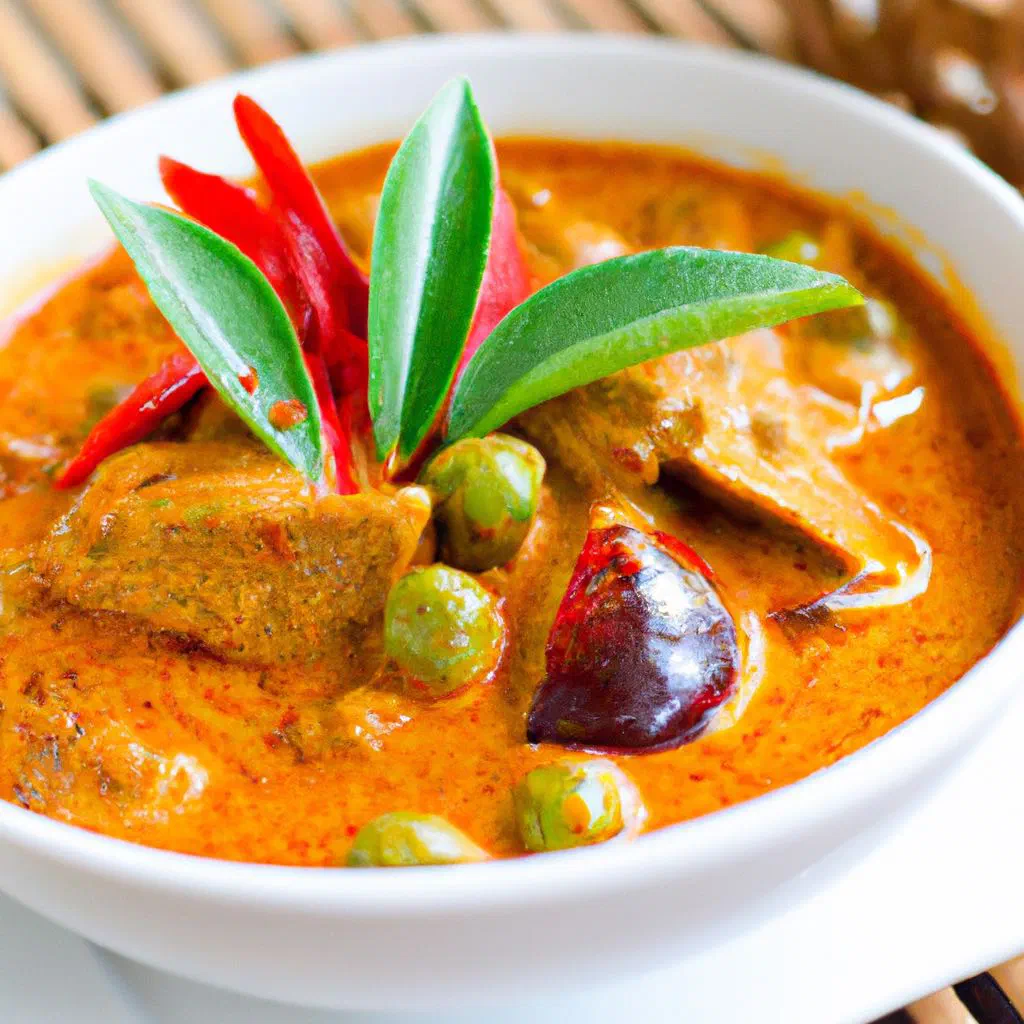
Few dishes capture the spirit of Thailand quite like Red Curry. Fragrant, creamy and gently fiery, it draws together fresh herbs, warming spices and silky coconut milk into a single bowl that hums with flavour. Sweet, sour, salty and hot all find their place here, balanced with the kind of effortless harmony that defines Thai cooking. Bring a taste of Southeast Asia to your own kitchen and let this exotic classic carry your senses far away.
About Red Curry
Red Curry is one of Thailand’s most cherished dishes, celebrated for its bold character and its remarkable versatility. At its heart lies red curry paste, a bright blend of red chillies, herbs and aromatics that gives the dish both its colour and its signature heat. Simmered slowly with coconut milk, it develops a rich, creamy depth that softens the spice without dulling it. The result is a beautifully balanced curry, at once sweet, sour, salty and hot, that sits deep in the heart of Thai culinary tradition and turns any meal into an occasion.
Ingredients (serves 1–2)
- 200 g chicken breast (or tofu for a vegetarian version)
- 2 tablespoons vegetable oil
- 50 g red curry paste
- 400 ml coconut milk
- 100 ml chicken stock (or vegetable stock)
- 1 tablespoon fish sauce (or soy sauce for a vegetarian version)
- 1 teaspoon sugar
- 1 lemon — juice only
- 100 g vegetables of your choice (e.g. bamboo shoots, peppers, peas)
- A handful of fresh basil
Shopping for the ingredients
For an authentic Red Curry experience, it pays to seek out fresh, good-quality ingredients. Many of the items you need can be found in an Asian grocery or a well-stocked supermarket. Pay particular attention to the quality of the curry paste, as it forms the very backbone of the dish. For fresh herbs such as basil, a trip to a local market is well worth the effort.
Preparing the dish
Efficient preparation is the key to success here. Begin by cutting the chicken into bite-sized pieces, then prepare the vegetables so that everything is within easy reach. Bear in mind that fresh ingredients cook faster than frozen ones. Frying the red curry paste in a little oil before adding the coconut milk also helps to release its full aroma, so don’t skip that step.
Step-by-step instructions
- Heat the oil in a wok or a deep pan.
- Add the red curry paste and fry it gently until fragrant.
- Add the chicken and cook until it is white on all sides.
- Pour in the coconut milk and chicken stock, then stir to combine.
- Add the fish sauce, sugar and lemon juice, and let everything simmer for about 20 minutes.
- Add the vegetables to the wok and cook until they reach the consistency you like.
- Take the wok off the heat and stir fresh basil through the red curry.
Gluten-free / lactose-free version
Red Curry is naturally lactose-free, as it relies on coconut milk rather than dairy for its creaminess. To keep it gluten-free, swap the fish sauce for a certified gluten-free version or use a suitable soy sauce alternative, and double-check that your curry paste contains no hidden wheat-based thickeners. With these small adjustments, everyone at the table can enjoy this dish without compromise.
Tips for vegans and vegetarians
This curry adapts beautifully for a plant-based diet. Simply replace the chicken with tofu and use soy sauce in place of fish sauce to make it fully vegan. Take care to check that your curry paste contains no shrimp paste or other animal products, as many traditional blends do. Fresh vegetables and herbs are essential to an authentic flavour, so reach for seasonal produce wherever you can, much as you would for a Pad Pak Gaeng Daeng.
More tips and tricks
If you are cooking with chicken, pieces on the bone bring extra flavour to the sauce. Coconut milk varies in consistency and taste from brand to brand, so it can be worth experimenting to find your favourite. If you would like to dial back the heat, start with a smaller amount of curry paste and build it up gradually until the dish suits your taste.
Adapting the recipe to your taste
The beauty of Red Curry lies in its versatility. Seafood or a vegetarian version, the dish adapts with ease. Don’t hesitate to experiment with different vegetables and accompaniments to create your own signature curry. For a richer, milder cousin worth exploring, look to Gaeng Massaman, while the closely related Kaeng Ped offers another take on the classic red curry.
Ingredient substitutions
Not everyone has access to every exotic ingredient, but happily there are easy alternatives. If you cannot find ready-made curry paste, a combination of ground chilli, garlic, shallots and a hint of cumin will stand in nicely. Tamarind juice can be replaced with lime juice, and ordinary basil works in a pinch where Thai basil is unavailable. Substitutions like these let you adapt the recipe to what you have on hand.
Drink pairing ideas
A well-chosen drink can heighten the whole Red Curry experience. A light white wine such as Riesling or a chilled rosé partners the dish wonderfully, their gentle sweetness tempering the spice. For an alcohol-free option, Thai iced tea or freshly squeezed lime juice makes a refreshing match that cleanses the palate between bites.
Serving and presentation ideas
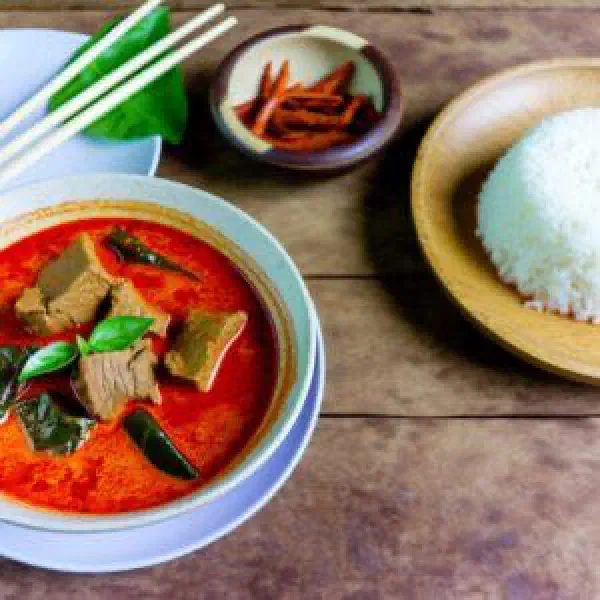
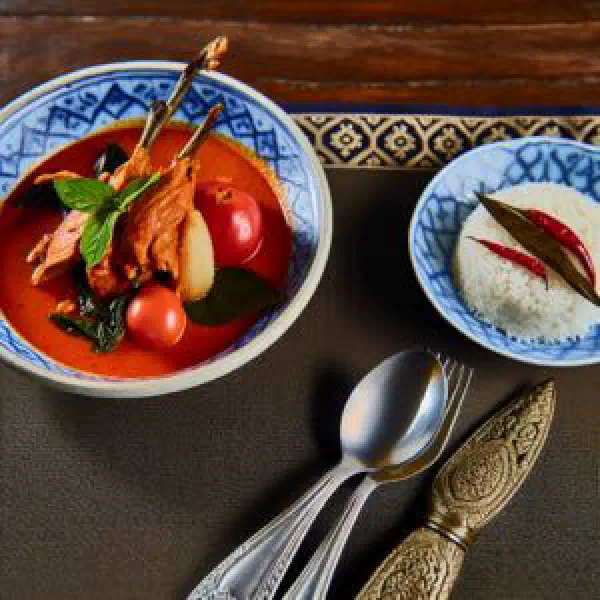
Presentation matters just as much as flavour. Serve your red curry in a deep plate or an attractive bowl, and scatter over a few fresh basil leaves along with some finely chopped red chilli. This adds a welcome splash of colour and an extra layer of depth to both the look and the taste of the dish.
A bit of history
Red Curry has a long tradition in Thailand. It was originally developed by Thai cooks who blended Indian and Malaysian influences with local ingredients, and over time it has become almost synonymous with Thai cuisine. The dish showcases the country’s gift for uniting different flavours into a single harmonious whole, a talent it shares with hearty regional curries such as Kaeng Hung Ley.
More recipe ideas
Summary: Red Curry
With these steps you are well equipped to conjure up an authentic Thai Red Curry at home. From choosing the ingredients to the final flourish of presentation, this guide will help you create a unique taste experience that appeals to everyone at the table. Hearty, fragrant and endlessly adaptable, red curry is a shining example of why Thai food has won hearts the world over. Give it a try, your taste buds will thank you.