National Dish Thailand: Sai Krok Isan (Recipe)

In this article
Say hello to Sai Krok Isan, the tangy, garlicky fermented sausage that fires up street-food stalls across north-eastern Thailand. Short, plump and grilled until burnished, these little sausages owe their signature sour kick to a couple of days of natural fermentation. Bright, punchy and made for sharing, they capture the rustic, bold spirit of the Isan region in every bite. Bring a taste of the Thai street to your own grill.
About Sai Krok Isan
Sai Krok Isan is a traditional Thai sausage that hails from Isan, the north-eastern corner of Thailand. It is celebrated for its savoury, gently sour flavour, which develops through natural fermentation. Often sold as a snack or served alongside rice dishes, it is a much-loved fixture of Thai cooking. The combination of pork, garlic and seasoning makes Sai Krok Isan a genuinely special culinary experience that sets it apart from the milder dishes of central and southern Thai cuisine.
Ingredients (serves 1–2)
- 500g minced pork
- 100g pork back fat
- 3 cloves garlic, finely chopped
- 90g cooked sticky rice
- 1 tsp salt
- 1 tsp sugar
- Pork casings for the sausage skins
Shopping for the ingredients
When shopping for your ingredients, it pays to choose fresh, good-quality produce. Pay particular attention to the minced pork and the pork back fat, as these form the backbone of the sausage. The garlic and sticky rice should also be of good quality to guarantee an authentic flavour. You can pick up the pork casings from a trusted butcher or an Asian grocery store.
Preparing the dish
The minced pork and pork back fat should be finely chopped and thoroughly combined. The sticky rice needs to be cooked and cooled in advance. The garlic is finely chopped and added to the meat together with the salt and sugar. Mix everything thoroughly to achieve an even seasoning right through the mixture.
Step-by-step instructions
- Combine the minced pork, pork back fat, chopped garlic, cooked sticky rice, salt and sugar in a large bowl.
- Stuff the mixture into the cleaned pork casings and tie off the ends firmly.
- Hang the sausages in a warm spot for 1–2 days so they can ferment.
- Once fermented, the sausages can be grilled straight away or frozen for later.
- Grill the sausages over medium heat until golden brown and cooked through.
Gluten-free / lactose-free version
Because Sai Krok Isan contains no ingredients with gluten or lactose, this recipe is naturally gluten-free and lactose-free. Even so, take care not to add any gluten-containing ingredients when mixing your seasonings if you need to follow a strict gluten-free diet. If you plan to use alternative ingredients, check them in advance for their gluten and lactose content.
Tips for vegans and vegetarians
There are plenty of ways to adapt this recipe for vegans and vegetarians. Instead of minced pork, use a plant-based meat alternative with a similar flavour and texture, seitan or tofu both work well as a substitute. Be sure to swap out every animal-derived ingredient, and adapt the casing accordingly, for example by using rice paper.
More tips and tricks
The single most important tip for Sai Krok Isan is getting the fermentation right, as this is what gives the sausage its characteristic sour tang. Hang the sausages in a clean, warm place and protect them from dirt and insects. Taste a sausage after 1–2 days to make sure the flavour has developed to your liking before grilling the rest. A good companion on the table is the spicy, herb-laced Laab style of Isan cooking.
Adapting the recipe to your taste
The Sai Krok Isan recipe is easy to tailor to personal preference. Play around with the amount of garlic and seasoning to fine-tune the flavour to your liking. You can also add other herbs and spices, such as coriander or lemongrass, for a personal touch. For a hotter version, work some chilli flakes into the mixture.
Ingredient substitutions
If certain ingredients are hard to come by, there are a few alternatives worth trying. Instead of pork casings, you can use edible collagen casings, which are often easier to find. In place of minced pork and pork back fat, mixed mince or minced chicken will also do the job. This may shift the flavour slightly but offers a perfectly good alternative, much as a swap of proteins works in dishes like Pad Cha.
Drink pairing ideas
A range of drinks pairs beautifully with Sai Krok Isan and complements its tangy flavour. In Thailand, it is traditionally enjoyed with beer, especially Thai brews such as Singha or Chang. A cool white wine, like a Riesling, can also harmonise nicely. For a non-alcoholic option, try an iced tea or a freshly squeezed lime juice.
Serving and presentation ideas
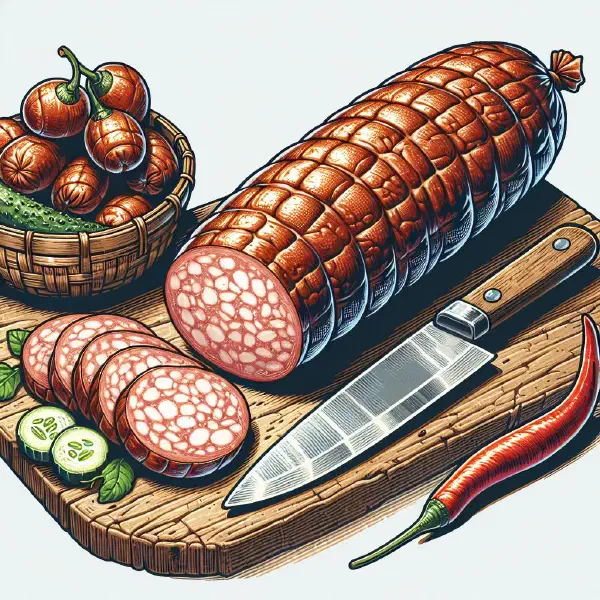
Presentation goes a long way towards making the food look as good as it tastes. Serve Sai Krok Isan on a rustic wooden board, alongside accompaniments such as fresh herbs, lime wedges and a fiery dip. A few colourful vegetable sides, like carrot or cucumber sticks, round out the picture. Arrange the sausages attractively to please the eye as well as the palate.
A bit of history
The origins of Sai Krok Isan lie in the Isan region of north-eastern Thailand. This area is known for its hearty, aromatic cooking, which differs markedly from the food of central and southern Thailand. The sausage is a traditional dish, often served during festivals and special occasions. The art of fermentation and the use of local ingredients are hallmarks of the region’s culinary tradition, much like the grilled and dried specialities such as Neua Dad Deaw.
More recipe ideas
Summary: Sai Krok Isan
Sai Krok Isan is a delicious fermented sausage from north-eastern Thailand that wins you over with its distinctive seasoning and gently sour flavour. With the right choice of ingredients and a little patience during fermentation, this traditional dish is easy to recreate at home. Sai Krok Isan offers a memorable taste experience that reflects the wonderful variety of Thai cooking. Let the flavours and the history of this special dish win you over.