National Dish Thailand: Suki Haeng (Recipe)
In this article
Meet Suki Haeng, a sociable Thai favourite that brings everyone together around the table. Each diner picks their own mix of tender meat, springy rice noodles and crisp vegetables, all brought to life by a fragrant, savoury broth. With its bright, layered flavours and its easy-going, help-yourself spirit, it is a wonderful way to discover the bright tastes of Thailand right in your own kitchen.
About Suki Haeng
Suki Haeng is a traditional Thai dish prized for its versatile flavours and its straightforward preparation. It is often served as a convivial meal, where everyone at the table chooses their own combination of ingredients. At its heart lies an aromatic broth enriched with tender meat, fresh vegetables and a handful of well-judged seasonings. Far more than simply tasty, it is an excellent way to get to know Thai cuisine and its lively, layered character.
Ingredients (serves 1–2)
- 200 g beef or chicken breast
- 100 g rice noodles
- 1 carrot, thinly sliced
- 100 g broccoli or pak choi
- 1 spring onion, cut into rings
- 500 ml vegetable or chicken stock
- 2 tablespoons soy sauce
- 1 tablespoon fish sauce
- 1 teaspoon garlic, chopped
- Chilli to taste
Shopping for the ingredients
When shopping for suki haeng, take care to choose fresh produce for the best results. Visit a local market or an Asian grocery to track down the finest ingredients. The beef or chicken breast should be of good quality to bring out the fullest flavour. Make sure the vegetable components, such as the carrots and broccoli, are fresh and crisp so they hold their texture during cooking.
Preparing the dish
Before you begin cooking suki haeng, a little groundwork is the key to a delicious result. Slice the meat thinly and lightly marinate it in soy sauce with a pinch of pepper. Prepare the vegetables by washing them thoroughly and cutting them into your preferred shapes. You should also part-cook the rice noodles according to the packet instructions, so they slip perfectly into the broth later on.
Step-by-step instructions
- Heat the stock in a large pan and add the chopped garlic.
- Add the marinated meat to the simmering broth and let it cook through for a few minutes.
- Stir in the carrot and broccoli slices and let them simmer in the broth for a few minutes more.
- Add the part-cooked rice noodles to the pan and mix everything through thoroughly.
- Season the dish with fish sauce and chilli to suit your own taste.
Gluten-free / lactose-free version
For a gluten-free version of suki haeng, simply use gluten-free soy sauce. Many Asian groceries stock special varieties that make an excellent substitute. Take care, too, that the rice noodles you choose are gluten-free, though most already are. On top of that, this dish is naturally lactose-free, which makes it an ideal choice for anyone with a lactose intolerance.
Tips for vegans and vegetarians
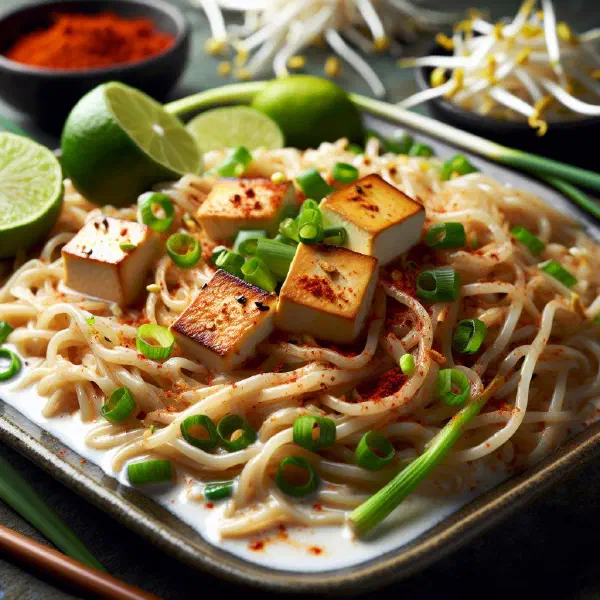
Suki haeng is wonderfully easy to make vegan or vegetarian. In place of the meat, reach for tempeh or tofu, both of which are an excellent source of protein. Use a good vegetable stock in place of chicken stock to deepen the flavour, and replace the fish sauce with a splash of soy sauce or a plant-based alternative. You can also add more vegetables, such as mushrooms or courgette, to make the dish richer and more nourishing.
More tips and tricks
To make suki haeng even more interesting, experiment with different spices and herbs. Fresh coriander or mint can lend the dish a special lift. You can also tweak the broth by adding extra aromatics such as ginger or lemongrass. These small adjustments bring more flavour to your dish and make it truly your own.
Adapting the recipe to your taste
Suki haeng is a highly adaptable dish that is easy to tailor to personal preference and seasonal ingredients. Feel free to experiment with different vegetables, depending on what is freshest and most readily available. You can also vary the heat of the dish to suit your taste by using more or less chilli. This flexibility makes suki haeng a perfect choice for any occasion, much like the fragrant Gaeng Massaman, it rewards a little personal flair.
Ingredient substitutions
If you do not have every ingredient for suki haeng to hand, there are plenty of alternatives you can call on. Instead of beef or chicken, try seafood such as prawns or fish, which also pair beautifully with the broth, the same prawns that take centre stage in Goong Ob Wun Sen. In place of rice noodles you might use other noodle types, such as udon or soba. Substitutions like these let you get creative and shape the dish exactly to your liking.
Drink pairing ideas
To round off the suki haeng experience, a range of drinks works beautifully. A delicious Thai iced tea makes a refreshing accompaniment, while a light, crisp Asian beer complements the dish perfectly. A glass of chilled water with lemon slices, or a fragrant jasmine tea, are also lovely options for underlining the flavours of the meal.
Serving and presentation ideas
While suki haeng is fairly simple to prepare, presentation matters just as much for whetting the appetite. Serve the dish in a large bowl, perhaps garnished with fresh herbs. Colourful pieces of vegetable and the clear broth create a visually inviting impression. Remember, too, to set out small dishes of extra sauces or toppings, so everyone can fine-tune their own bowl to taste.
A bit of history
Suki haeng has its roots in Thai cuisine and its borrowings from Chinese cooking. It was developed to encourage a sociable dining culture, with people gathered around a table to eat together. Originally known simply as “suki”, the dish evolved over the years into a more popular variation embracing a wider range of flavours and ingredients. This culinary blend makes suki haeng a symbol of the cultural diversity and richness of Thai cooking, and a fine companion to the seafood salad Yam Talay.
More recipe ideas
Summary: Suki Haeng
Suki haeng is a versatile Thai dish that gathers a wonderful array of flavours into one hearty, brothy bowl. It is ideal for sociable occasions and easy to adapt to personal preference. With fresh ingredients and carefully chosen seasonings, suki haeng is delicious and simple to prepare. Give it a try and let yourself be enchanted by the wonderful tastes of Thailand.