National Dish Thailand: Suki Nam (Recipe)
In this article
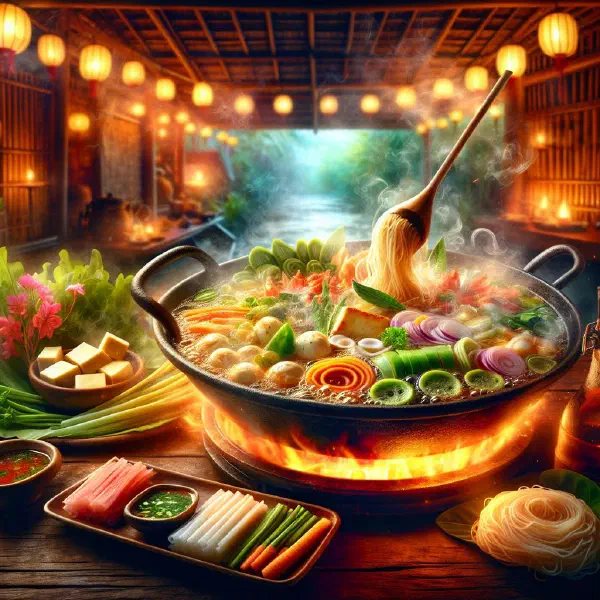
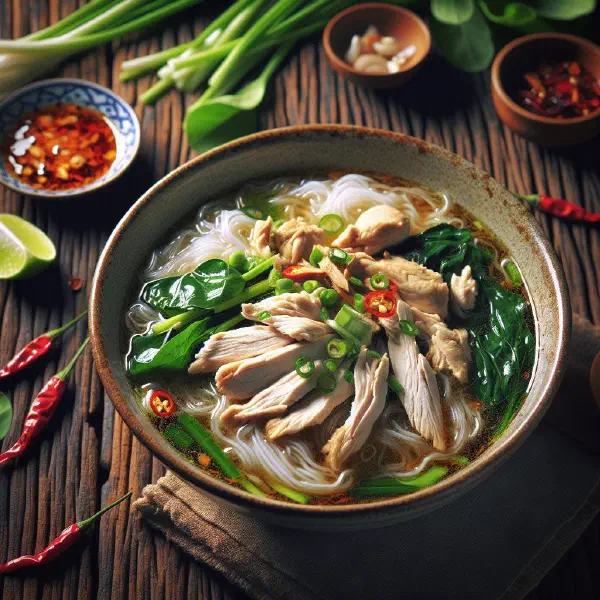
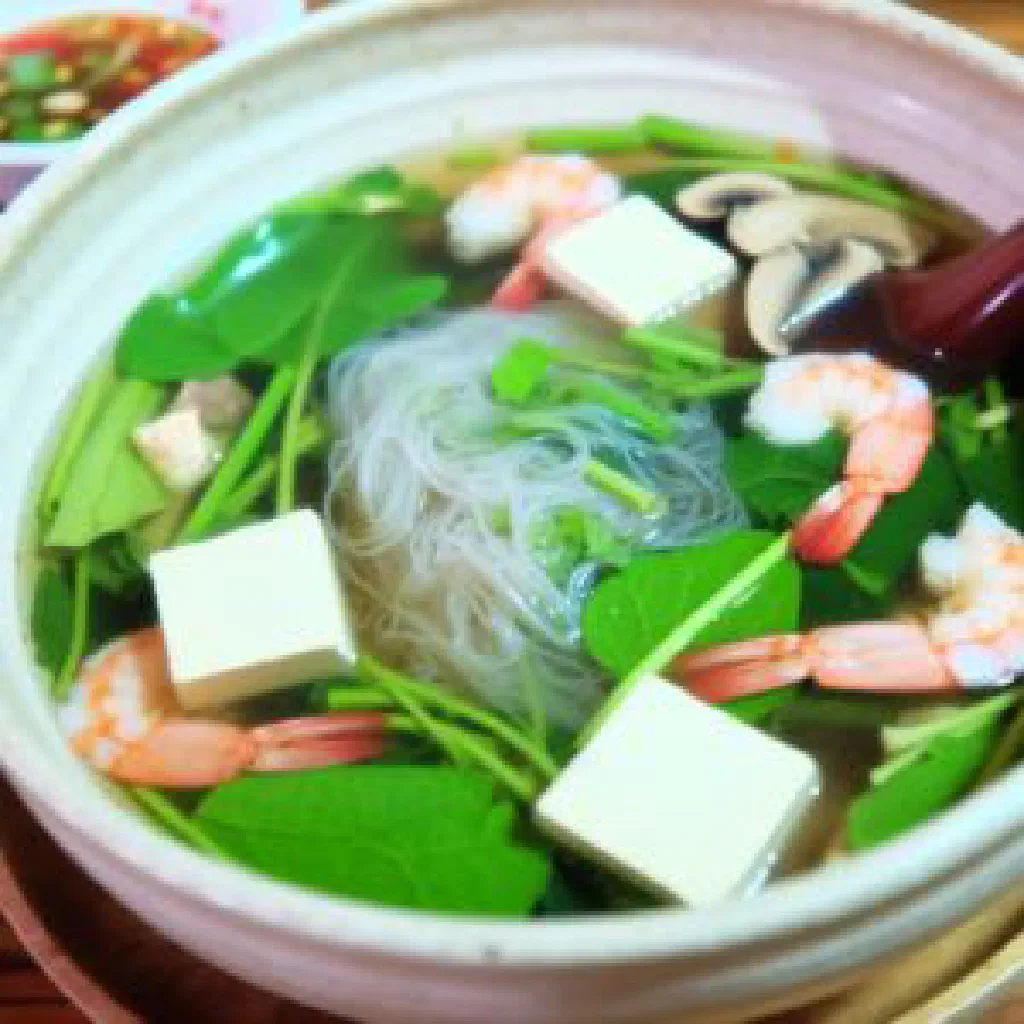
Gather round the table for Suki Nam, the convivial Thai hotpot that turns dinner into a shared event. Fresh vegetables, thinly sliced meat and slippery rice noodles all bob away in a fragrant, simmering broth, and everyone cooks their own bowl just the way they like it. With its lively dipping sauces and endlessly customisable spread, this is sociable comfort food at its very best. Perfect for bringing family and friends together.
About Suki Nam
Suki Nam is a much-loved Thai hotpot enjoyed in homes and restaurants right across the country. What makes it so special is the spirit of sociable dining it inspires, with family and friends gathering to savour the flavours together. Fresh ingredients are simmered in a savoury broth, and this communal style of cooking lets everyone pick the components they fancy and cook them to their own taste. The result is a relaxed, interactive meal that feels every bit as warming as it is delicious.
Ingredients (serves 1–2)
- 200 g tender beef or chicken breast
- 1 litre vegetable or chicken stock
- 200 g vegetables (e.g. pak choi, carrots and mushrooms)
- 100 g rice noodles
- 1–2 garlic cloves, finely chopped
- 2–3 spring onions, sliced into rings
- 2–3 tablespoons soy sauce
- 1 tablespoon fish sauce (optional)
- Chilli, to taste
Shopping for the ingredients
When shopping for Suki Nam, it is well worth paying attention to the quality of your produce. Visit a local Asian grocery to track down authentic vegetables and seasonings. Be sure to choose fresh meat for the very best flavour, and don’t forget the stock and the right sauces, as these are what give the dish its distinctive character. A little care at the shopping stage goes a long way towards an authentic result.
Preparing the dish
To prepare Suki Nam, begin by washing and cutting all of your ingredients thoroughly. The vegetables should be cut into bite-sized pieces so they cook quickly and slip easily into the broth. The meat is best sliced thinly to keep it beautifully tender. It is also a good idea to set out a small bowl of soy sauce, chilli and any other dipping sauces, so that everyone can season their portion exactly to their own taste.
Step-by-step instructions
- Bring the vegetable or chicken stock to the boil in a large pot.
- Add the chopped garlic and let it simmer for a few minutes.
- Drop in the rice noodles and cook according to the packet instructions.
- Add your chosen meat and the prepared vegetables, then cook everything together.
- Once cooked, season the broth to taste with soy sauce and fish sauce.
- Serve straight at the table so everyone can help themselves to their own ingredients and enjoy.
Gluten-free / lactose-free version
Making Suki Nam gluten-free and lactose-free is straightforward. The key is to use a gluten-free soy sauce and, if needed, a lactose-free stock. When shopping, look out for products carrying a certified label. Alternatively, swap the soy sauce for tamari, which is usually gluten-free. These simple adjustments mean everyone can enjoy this delicious dish without a second thought.
Tips for vegans and vegetarians
There are plenty of ways to adapt Suki Nam for vegans and vegetarians. Replace the meat with tofu or seitan and use vegetable stock in place of chicken stock. Round out the bowl with a generous variety of vegetables such as broccoli, peppers and courgette. Just take care to check that your soy sauce and other seasonings are compatible with a vegan diet, as some can contain hidden animal products.
More tips and tricks
One of the most useful tips for Suki Nam is to prepare all your ingredients in advance, which keeps everything running smoothly once you are at the table. You can also vary the broth to suit your mood by adding aromatics such as ginger or lemongrass. Don’t be afraid to experiment with different ingredients until you find the combination that you and your guests enjoy the most.
Adapting the recipe to your taste
Although the traditional recipe for Suki Nam calls for certain ingredients, it is easy to tailor to your own preferences. Add your favourite vegetables, for example, or try out different meat alternatives. The heat is just as adjustable. Simply use more or less chilli to suit your palate. This flexibility makes it simple to adapt the dish to all sorts of tastes and dietary styles, much like a comforting Gaeng Massaman.
Ingredient substitutions
If you don’t have certain ingredients for Suki Nam to hand, alternatives are easy to find. Instead of rice noodles, you could use quinoa or buckwheat. The vegetables can be varied almost endlessly, so even seasonal produce will sit happily in the dish. Be creative and make the most of whatever you have available, the same easy-going approach that works for a stir-fry like Pad Pak Bung.
Drink pairing ideas
A range of drinks suits a steaming bowl of Suki Nam and supports its flavours beautifully. Traditionally, a glass of Thai iced tea is served, its sweetness and refreshing chill making it a perfect match. If you prefer something heartier, a light beer or a fruity cocktail also works well. Experiment with different drinks to turn the meal into a truly memorable occasion.
Serving and presentation ideas
Thoughtful presentation can lift the whole Suki Nam experience. Use a large, open vessel for the broth so guests can add their ingredients themselves. Garnish the dish with fresh herbs such as coriander and a few lime wedges for an extra burst of freshness. Remember to offer your sauces in small bowls too, the better to show off the different flavours on the table.
A bit of history
Suki Nam has its roots in Chinese cuisine, enriched over the years by Thai influences. The dish is often prepared without elaborate spicing, the better to let the natural flavour of the ingredients shine through. It is especially popular in Thailand’s lively street-food scene, where it frequently appears at social gatherings and festivities. Its sociable, help-yourself nature makes it the ideal meal for friends and family, and a fine example of Thai cuisine.
More recipe ideas
Summary: Suki Nam
In short, Suki Nam is far more than a simple dish. It is a cultural experience that brings friends and family together. The sheer variety of ingredients and the freedom to cook your own portion make it a wonderfully flexible meal, easily adapted to personal taste. With a little preparation and an inviting presentation, you can create a delicious and memorable dining experience. Give it a go and savour the flavours of Thailand.