National Dish Thailand: Thai Sukiyaki (Recipe)
In this article
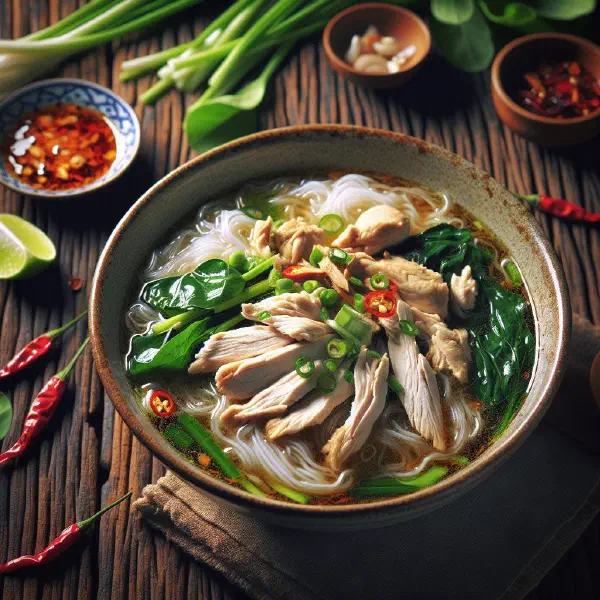
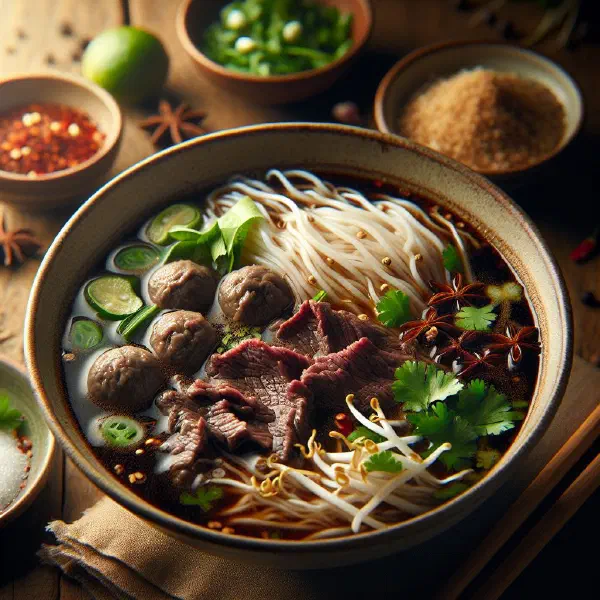
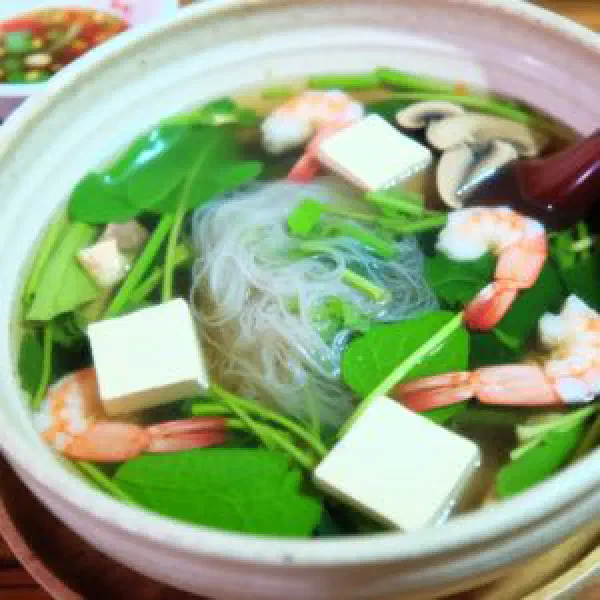
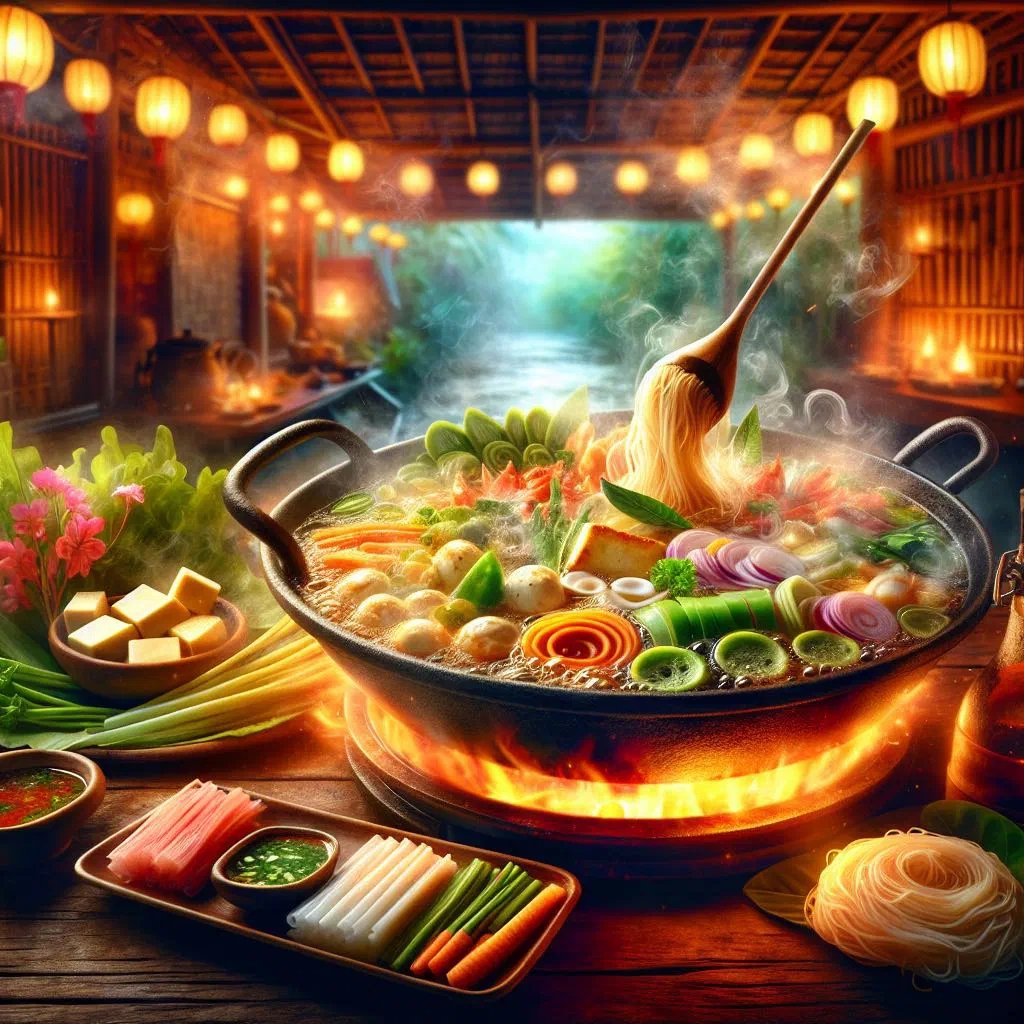
Gather your friends and family around the table for Thai Sukiyaki, a convivial and warming hotpot that sits at the heart of Thai home cooking. Tender slices of meat, crisp vegetables and slippery rice noodles come together in a fragrant, gently spiced broth, brightened with lime and fresh herbs. More than just a meal, it is an experience to be shared, a wonderful way to bring the bright, balanced flavours of Thailand straight to your own kitchen.
About Thai Sukiyaki
The traditional dish Thai Sukiyaki is a truly delicious combination of aromatic flavours and fresh ingredients. This spiced soup brings together tender meat, fresh vegetables and fragrant herbs in a hearty, comforting broth. Sukiyaki is not simply something to eat but a sociable occasion, ideal for an evening spent with friends or family. It is a perfect expression of Thai cuisine, which places great value on flavour and variety, and it sits comfortably alongside other shared favourites such as a steaming pot of Goong Ob Wun Sen.
Ingredients (serves 1–2)
- 200 g chicken breast or beef, thinly sliced
- 100 g rice noodles
- 1 carrot, cut into fine strips
- 1 small courgette, sliced
- 100 g broccoli, broken into florets
- Fresh herbs such as coriander and Thai basil
- 2 tablespoons soy sauce
- 1 tablespoon fish sauce
- 1 tablespoon lime juice
- Water or stock, as needed
These ingredients are delicious and easy to find. Depending on personal preference, you can add further vegetables or extra seasonings to suit your taste.
Shopping for the ingredients
To prepare Thai Sukiyaki, the ingredients should be fresh and of good quality. Most can be found in Thai or Asian grocery shops. Be sure to choose fresh vegetables to guarantee the very best flavour. Special sauces such as fish sauce and soy sauce are essential for an authentic Thai taste, so it is well worth buying these in good quality.
Preparing the dish
Before you begin cooking, it is important to prepare and lay out all the ingredients. Slice the meat thinly and cut the vegetables into even pieces so that everything cooks at the same rate. Prepare the broth as well by heating water or stock in a pan. Good groundwork ensures the cooking process runs smoothly and without fuss.
Step-by-step instructions
- Bring water or stock to the boil in a large pan.
- Add the prepared rice noodles and cook according to the packet instructions.
- Add the sliced meat and the vegetables to the broth, one after the other.
- Season the mixture with soy sauce, fish sauce and lime juice.
- Cook everything for a few minutes until the vegetables are tender and the meat is cooked through.
- Finally, stir in the fresh herbs and serve the dish piping hot.
Gluten-free / lactose-free version
To adapt Thai Sukiyaki for people with a gluten or lactose intolerance, you can use gluten-free soy sauce. It is also important to check that the stocks and sauces you use contain no hidden sources of gluten. The dish is naturally lactose-free, as it contains no dairy at all, so the hearty character of the soup remains intact without compromising on anyone’s health.
Tips for vegans and vegetarians
Thai Sukiyaki is easy to adapt for vegans and vegetarians. Instead of animal products, use tofu or seitan to replace the protein. A generous selection of vegetables and herbs makes the dish equally accessible for these diets. Experiment with different vegetables to discover new and exciting flavours while still preserving the essence of sukiyaki.
More tips and tricks
A few simple tips will help you make the perfect Thai Sukiyaki. Take care not to boil the broth too fiercely while you add the vegetables and meat, so that the flavour stays at its best. You can also set out extra lime wedges and chillies when serving, so that everyone can season their bowl to taste. A lovely idea is to serve the dish from one large pot at the centre of the table, so all your guests can assemble their own portions together.
Adapting the recipe to your taste
The wonderful thing about Thai Sukiyaki is its versatility. Depending on your preferences, you can adjust the seasonings and the type of meat. Feel free to modify the recipe to your own taste by using different vegetables and cuts of meat, or even your favourite spice blends. By experimenting you can create your very own version of the dish that matches your individual preferences while still keeping its authentic character.
Ingredient substitutions
If you do not have every ingredient for Thai Sukiyaki to hand, there are plenty of alternatives. In place of chicken or beef you might use pork or turkey breast. For the vegetables, frozen or seasonal options work well and can help keep costs down. The sauces can vary too, depending on what you have available, teriyaki sauce instead of soy sauce, or even a hotter chilli sauce for an extra kick that recalls a fiery Pad Cha.
Drink pairing ideas
To round off the Thai Sukiyaki experience, the drinks deserve careful thought too. A light Thai beer or a freshly made lime cordial pairs beautifully with the flavours of the dish. Alternatively, Asian teas such as green tea or jasmine tea complement the aromatic notes well. Choosing the right drink can perfectly complete the whole picture of the meal.
Serving and presentation ideas
The presentation of Thai Sukiyaki plays a key part in lifting the overall experience. Serve the dish in a large bowl that shows off the many colours of the vegetables and herbs. Garnish the soup with fresh herbs and lime wedges, which look lovely and brighten the flavour. Make sure the arrangement on the table is inviting and appetising to build everyone’s anticipation for the meal ahead.
A bit of history
Thai Sukiyaki has its roots in Thai cooking, which has been strongly shaped by Chinese influences. The dish has become well established in Thailand over the years and is a firm favourite in many homes and restaurants. It embodies the Thai food culture of sharing and sociability at the table. Some historians believe sukiyaki originally came from Japan and was brought to Thailand by migrants, where it was adapted to local tastes and ingredients, much as the noodle classic Pad Mee Korat reflects regional character.
More recipe ideas
Summary: Thai Sukiyaki
All in all, Thai Sukiyaki is a hearty and sociable dish that captures the flavours and culture of Thailand. It gives you the chance to share a meal with friends and family while discovering new flavour combinations together. Sukiyaki is sure to bring a smile to every food lover and admirer of Thai cuisine.