National Dish Togo: Djenkoume (Recipe)
In this article
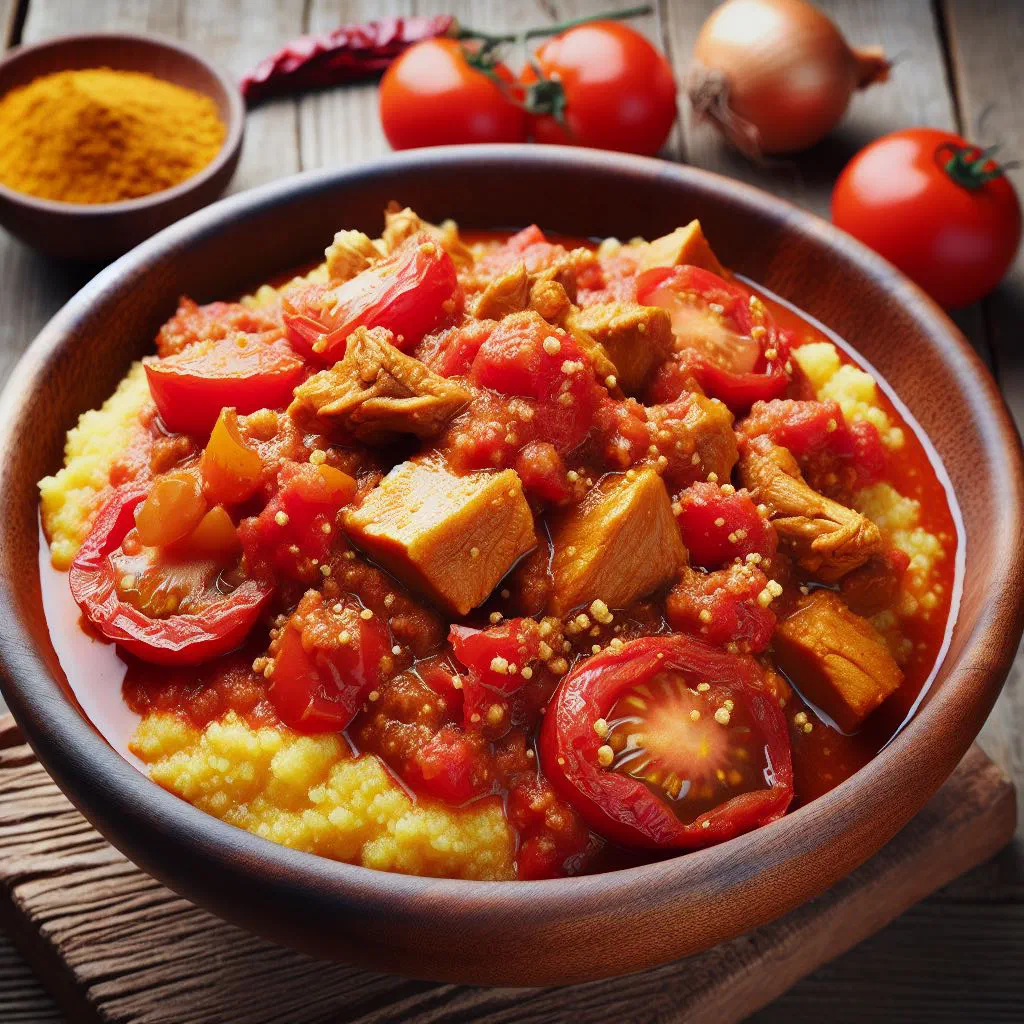
Meet Djenkoume, the heartwarming national dish of Togo. This comforting cornmeal porridge is enriched with a spicy tomato sauce and a generous helping of West African hospitality. Simple to make yet deeply satisfying, it has been a staple in Togolese homes for generations. Bring the warm flavours of West Africa to your own table with this soulful, easy-going classic.
About Djenkoume
Djenkoume is a traditional national dish of Togo with its roots firmly in West African cooking. Made chiefly from cornmeal and water, it comes together as a hearty porridge that is a staple food in countless households. The preparation is straightforward, but it is the flavour and the silky consistency that win over locals and visitors alike. Every bowl carries a sense of Togolese culture and the warm hospitality for which the region is known.
Ingredients (serves 1–2)
- 150 g cornmeal
- 500 ml water
- Salt to taste
- Spicy sauce (for example made from tomatoes, onions and chilli)
Shopping for the ingredients
The ingredients for djenkoume are easy to source and available in most grocery shops or markets. The quality of the cornmeal matters most, as it shapes the flavour of the finished dish. Where you can, choose fresh, untreated cornmeal for the best possible taste. The components of the spicy sauce should be fresh and good quality too, so the flavour comes through in full.
Preparing the dish
Getting djenkoume ready is uncomplicated and calls for no special cooking skills. Begin by gathering all your ingredients and the utensils you will need, such as a large pan and a wooden spoon. Make sure you have plenty of water to hand so you can adjust the consistency of the porridge as it cooks. A clean work surface and fresh ingredients are the key to a delicious result.
Step-by-step instructions
- Bring a large pan with 500 ml of water to the boil and add a pinch of salt.
- Lower the heat and add the cornmeal slowly, stirring constantly with a wooden spoon.
- Cook the porridge over gentle heat, stirring all the while, for about 10–15 minutes until it is thick and creamy.
- Serve the djenkoume hot with the spicy sauce of your choice.
Gluten-free / lactose-free version
Djenkoume is naturally gluten-free, as it is made from cornmeal. It poses no problems for anyone with lactose intolerance either, since the recipe contains no dairy at all. That makes it an excellent choice for anyone who prefers gluten-free or lactose-free meals. Even so, do check that the ingredients you use, especially the spices, are also free from hidden gluten or lactose.
Tips for vegans and vegetarians
Djenkoume adapts beautifully for vegans and vegetarians. By keeping the spicy sauce plant-based, you can be sure the dish fits your dietary needs. Choose plant-based, good-quality products for any extra sides too. A generous helping of fresh vegetables or a hearty vegetable sauce rounds the dish off perfectly, much like the vegetable-forward spirit of Saka Saka.
More tips and tricks
A few simple touches can make djenkoume even tastier. Experiment with different spices and herbs in the sauce to vary the flavour of your porridge. If you like things spicy, add fresh chillies or reach for a fiery spice blend. Be sure to stir the porridge well as it cooks so it does not catch and stays smooth and even throughout.
Adapting the recipe to your taste
Djenkoume is a flexible dish that is easy to tailor to your own preferences. You can vary the consistency of the porridge, for instance, by adding a little more or a little less water. The sauce you serve alongside can change dramatically too, from fruity sauces to hearty vegetable versions. Take the chance to add your own family recipes or secret ingredients to make the dish entirely your own.
Ingredient substitutions
If you have no cornmeal to hand, you can try alternative flours such as rice flour or millet flour, though the texture may vary. For the spicy sauce, use whatever vegetables you have available, such as peppers, courgettes or aubergines. This flexibility lets you shape the dish around seasonal produce or personal taste, in the same easy spirit as a bowl of Pate Blanche.
Drink pairing ideas
To round out the djenkoume experience, several drinks make fine companions. A fresh fruit juice, such as mango or pineapple, pairs beautifully with the dish and lifts its flavours, as does a glass of Jus De Gingembre. Alternatively, pair it with a herbal tea or sparkling water for a refreshing note. Play with different combinations to discover what suits you best.
Serving and presentation ideas
Presentation can lift the whole djenkoume experience. Serve the porridge in an attractive bowl and garnish it with fresh herbs or a dusting of paprika to make the dish look lively. An inviting table setting, with the sauce offered in separate little dishes, makes the meal even more appealing. Keep the atmosphere in mind too, to convey that traditional West African feeling.
A bit of history
Djenkoume has deep-rooted traditions in Togolese cooking and is often served at special occasions and family gatherings. It is more than a dish; it represents shared values and a sense of belonging within the community. Historically it has been passed down from one generation to the next, making it an important part of Togo’s identity and culture. It also reflects the simple yet flavourful character of West African cooking, built on natural, good-quality ingredients, a hallmark of Togolese cuisine.
More recipe ideas
Summary: Djenkoume
Making djenkoume is a simple but rewarding experience that offers a real window into Togolese culture. Built on cornmeal and water, this dish is delicious and wholesome and endlessly adaptable. Gluten-free or simply to your own taste, djenkoume slips effortlessly into any diet. Give this recipe a try and discover the riches of West African cuisine.