National Dish Togo: Djenmblan (Recipe)
In this article
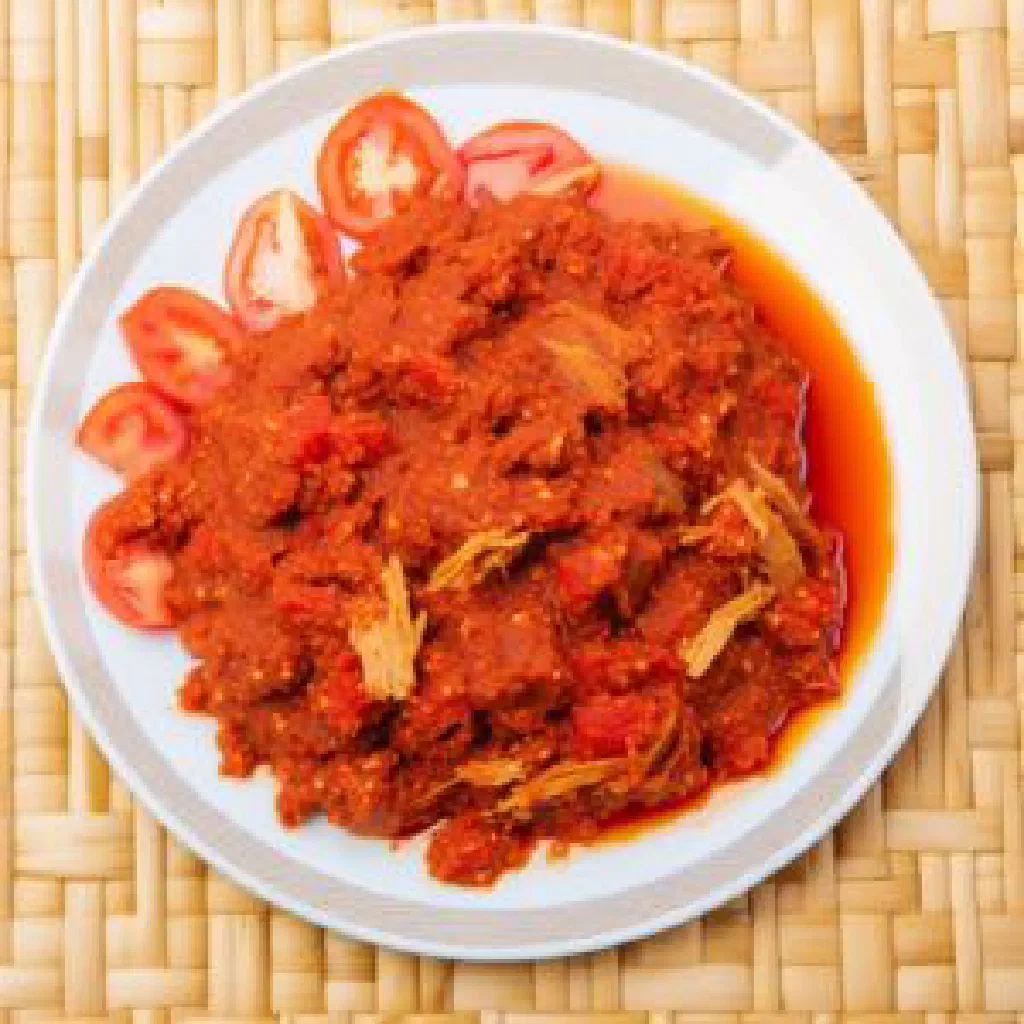
Meet Djenmblan, the traditional national dish of Togo and a heartwarming staple in kitchens across the country. This bright stew brings together fresh fish, colourful vegetables and a fragrant blend of spices for a bowl that is as nourishing as it is flavourful. Simple to prepare yet full of character, it captures the warmth and generosity of Togolese home cooking. Bring a taste of West Africa straight to your own table.
About Djenmblan
Djenmblan is a traditional national dish from Togo, cooked in the kitchens of many Togolese families. It is a delicious stew that shines thanks to its abundance of fresh ingredients and spices. The combination of fish, vegetables and a special mix of seasonings gives the dish its unmistakable flavour. Djenmblan is more than a treat for the palate. It is a genuine symbol of Togolese culture, sharing much of its spirit with the wider world of Togolese cuisine.
Ingredients (serves 1–2)
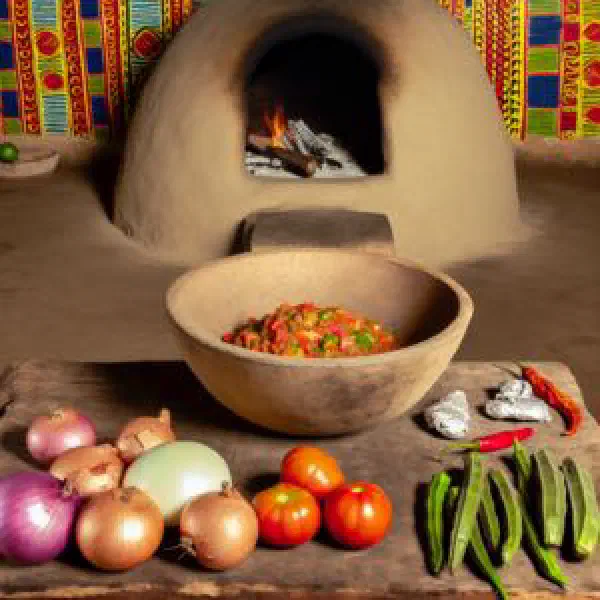
- 200g fresh fish (e.g. mackerel or tilapia)
- 1 large onion, diced
- 1–2 tomatoes, chopped
- 1 carrot, sliced
- 1 pepper, diced
- 2 garlic cloves, chopped
- 1 teaspoon fresh ginger, grated
- 3 tablespoons palm oil
- Salt and pepper to taste
- 1–2 cups vegetable stock or water
Shopping for the ingredients
Pay attention to freshness and quality when you shop. The fish should be as fresh as possible to guarantee the best flavour. Local markets often offer the finest options for fresh vegetables and fish. It can also help to choose seasonal produce, which tends to be tastier and more affordable.
Preparing the dish
Preparing djenmblan is fairly straightforward, but it is crucial for the flavour of the finished dish. Begin by washing the vegetables and cutting them into the appropriate pieces. The fish should also be carefully cleaned and cut into chunks. This groundwork helps to minimise the cooking time and to bring out the full aroma of the ingredients.
Step-by-step instructions
- Heat the palm oil in a large pot and sweat the onions until translucent.
- Add the garlic and ginger and fry everything for 1–2 minutes.
- Stir in the chopped tomatoes, carrots and pepper and mix well.
- Carefully add the fish and top up with vegetable stock or water.
- Simmer over medium heat for around 20–25 minutes, until the vegetables are tender and the fish is cooked through.
- Season with salt and pepper and serve hot.
Gluten-free / lactose-free version
Djenmblan is a naturally gluten-free and lactose-free dish. The ingredients contain no gluten-based components or dairy products, which makes it suitable for people with these intolerances. Do take care, however, that any spices and stocks you use are also free from gluten.
Tips for vegans and vegetarians
To adapt djenmblan for vegans and vegetarians, simply replace the fish with tofu or a seitan-style product. These alternatives soak up the flavours of the stew beautifully and give it a hearty texture. You can also vary your vegetables and reach for seasonal or local produce. The dish stays every bit as tasty and nourishing.
More tips and tricks
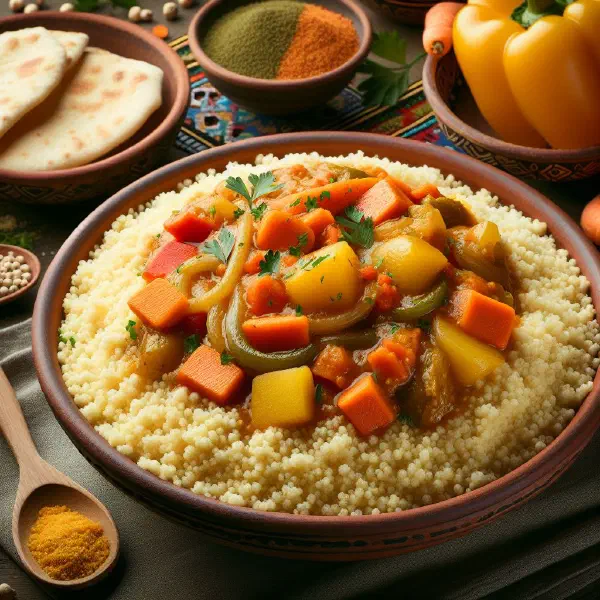
A few simple tips can push the flavour of djenmblan even further. Experiment with different spices to find the perfect balance for your palate. A splash of lemon juice or a little fresh coriander adds an extra layer of flavour. You can also serve the dish with a side such as rice or bread to create a complete meal, much as you would with a warming Cassava Soup.
Adapting the recipe to your taste
Djenmblan is easy to adjust to personal preference. You might increase or reduce the amount of vegetables, depending on what you fancy. Fans of fiery food can add hot spices to turn up the heat. The flexibility of this recipe makes it simple to shape to your own taste.
Ingredient substitutions
There are plenty of alternatives for the ingredients in djenmblan. If you cannot get hold of palm oil, coconut oil or olive oil will do the job just as well. For extra depth of flavour you can try other varieties of fish, in the spirit of a classic Fish in Tomato Sauce. Your dishes can be reinvented time and again without losing their essential character.
Drink pairing ideas
Refreshing drinks pair especially well with djenmblan. Try a glass of freshly pressed fruit juice or a light, sparkling water. Local drinks such as a malty brew can make an interesting addition too, a cooling Ginger Juice is another lovely match. These drinks harmonise perfectly with the spicy, hearty stew.
Serving and presentation ideas
The presentation of your djenmblan can heighten the enjoyment even further. Serve the dish in a large, decorative pot or in individual bowls to make it more inviting. A few fresh herbs or lemon slices on the plate add the finishing touch. Take care to highlight the colours of the vegetables to present the dish at its most appealing.
A bit of history
Djenmblan has a history in Togo and is a firm part of Togolese food culture. It was originally prepared by families to strengthen the community and to celebrate festive occasions. The fresh ingredients used in this dish reflect the local farming and the diversity of the region. Today djenmblan is cherished in Togo and in many other countries that celebrate West African cooking, alongside beloved classics like Yassa.
More recipe ideas
Summary: Djenmblan
Djenmblan is a delicious stew that unites the flavours of Togo in a single bowl. With fresh fish, seasonal vegetables and aromatic spices, it tells the story of a rich culinary tradition. This dish is easy to make and simple to adapt to individual tastes. Let djenmblan inspire you and enjoy the wonderful variety of West African cooking.