National Dish Togo: Djinkoume (Recipe)
In this article
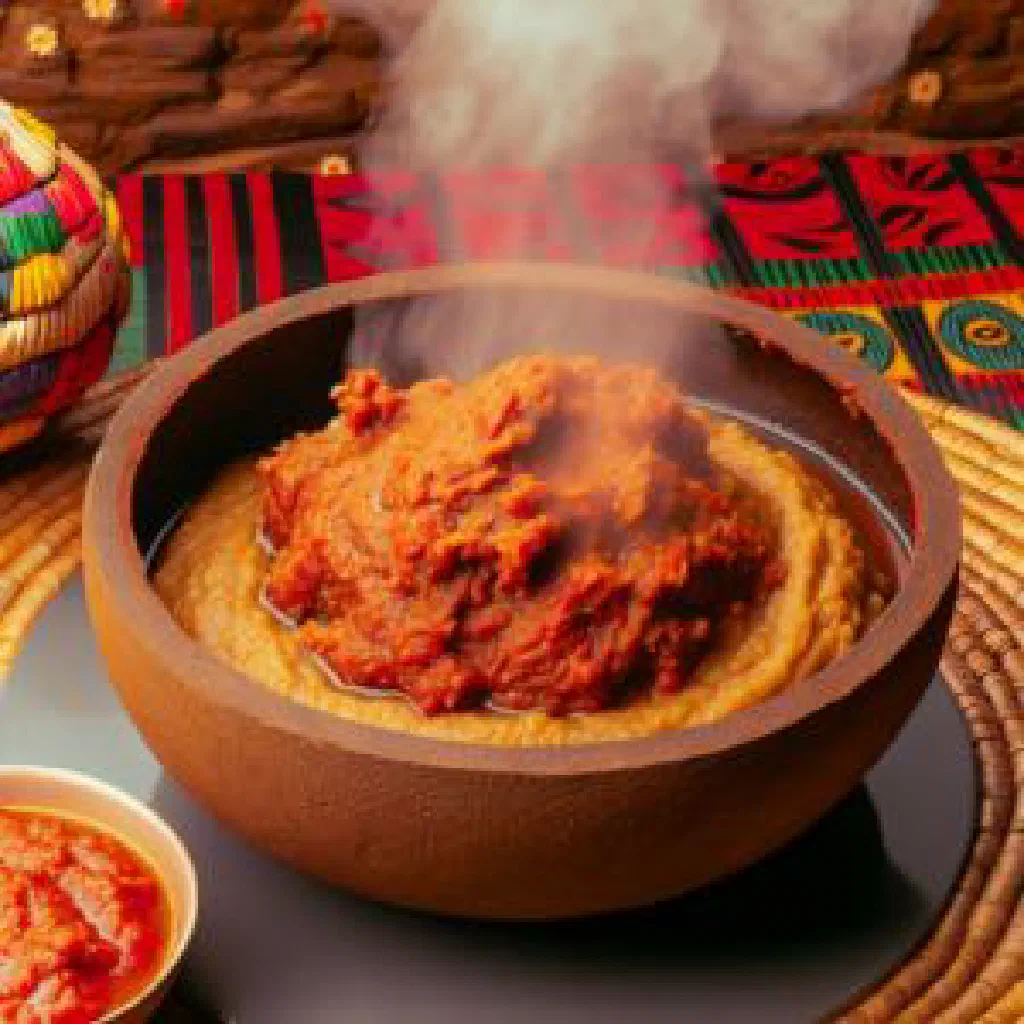
Meet Djinkoume, the national dish of Togo and a wonderful showcase of West African home cooking. Built around soft, comforting cornmeal and a colourful choice of sides, it is nourishing, endlessly adaptable and full of the warm, tropical flavours that Togo is known for. Families prepare it in their own way from region to region, which makes every plate a little different, and always worth savouring.
About Djinkoume
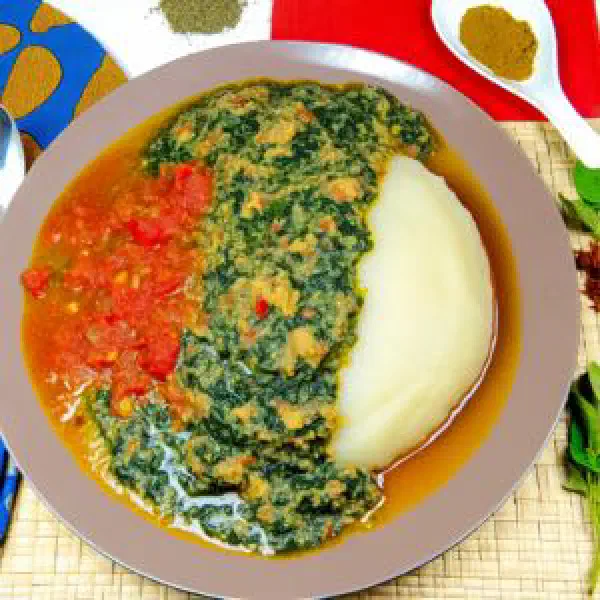
Djinkoume is the national dish of Togo, prized for its distinctive pairing of cornmeal and a generous choice of sides. It is more than just a filling meal; it is a genuine celebration of flavour that reflects Togo’s tropical produce. Families across the country prepare it in their own style, with each region adding its own variations. Thanks to its simple preparation and satisfying ingredients, Djinkoume is a firm favourite with locals and visitors alike.
Ingredients (serves 1–2)
- 250 g cornmeal
- 500 ml water
- 1 teaspoon salt
- Sides of your choice (e.g. steamed vegetables, fish or meat)
- Spices (e.g. pepper, paprika)
Shopping for the ingredients
For the best Djinkoume, look for fresh ingredients, ideally sourced locally. Cornmeal is easy to find in most supermarkets and at weekly markets. The choice of sides matters just as much, so reach for fresh vegetables, lean meat or freshly caught fish to bring out the flavour. When shopping, choose good-quality spices, as these are what give the dish its aromatic depth.
Preparing the dish
Before you start cooking Djinkoume, it helps to wash and lay out all the ingredients. Begin by measuring out the cornmeal and water, then turn your attention to the sides you plan to serve. Vegetables should be washed and cut into even pieces, while fish or meat can be marinated in advance. These small steps keep the whole cooking process running smoothly.
Step-by-step instructions
- Bring the water to the boil in a large pan and add the salt.
- Slowly pour the cornmeal into the boiling water, stirring continuously to prevent lumps.
- Reduce the heat and cook the mixture for about 10–15 minutes, until it has a thick, smooth consistency.
- Shape the finished Djinkoume into small portions and let it cool slightly.
- Serve with your chosen sides and enjoy.
Gluten-free / lactose-free version
Djinkoume is perfectly suited to anyone with a gluten or lactose intolerance, since it is made with naturally gluten-free cornmeal. When choosing your sides, opt for gluten-free options and unprocessed ingredients. The dish is also naturally lactose-free, which makes it easy for many people to enjoy. If you need to adapt it further, high-quality organic products will give you an even better result.
Tips for vegans and vegetarians
Djinkoume fits beautifully into a vegan or vegetarian diet. The sides are easy to adjust. Simply use fresh vegetables, pulses or tofu in place of meat or fish. Experiment with different spices and herbs to vary the flavour. A simple vegetable stock can also be used to lift the dish and make it even more flavoursome.
More tips and tricks
To get the most out of Djinkoume, try adding a handful of grains or seeds to boost the nutrients and texture. It also pays to keep a close eye on the heat while cooking to avoid any scorching. Use a sturdy wooden spoon so you can stir thoroughly. This ensures the ingredients blend well and the dish reaches its characteristic smooth consistency.
Adapting the recipe to your taste
The Djinkoume recipe is wonderfully flexible and easy to tailor to personal preference. Play with different flavours by adding your favourite herbs or spices, and aim for the perfect balance between texture and taste, depending on which sides you choose. You can also vary the consistency during cooking, adding a little more or less water to suit yourself.
Ingredient substitutions
If you cannot find cornmeal, Djinkoume can also be made with other flours such as rice flour or millet flour. These alternatives provide the necessary binding and can introduce new flavour notes of their own. Keep an eye on the consistency as you cook, since different flours absorb different amounts of liquid, much like the cassava base of a comforting Fufu. That way the dish stays tasty and satisfying every time.
Drink pairing ideas
Many drinks pair well with Djinkoume and complement its flavours. Refreshing fruit juices made from tropical fruits such as pineapple or mango are a lovely choice, as is the tart, ruby-red Jus De Bissap. Hearty black teas or a minty lemonade also make good companions. These drinks help bring out the dish’s rich aromas and add to the overall enjoyment.
Serving and presentation ideas
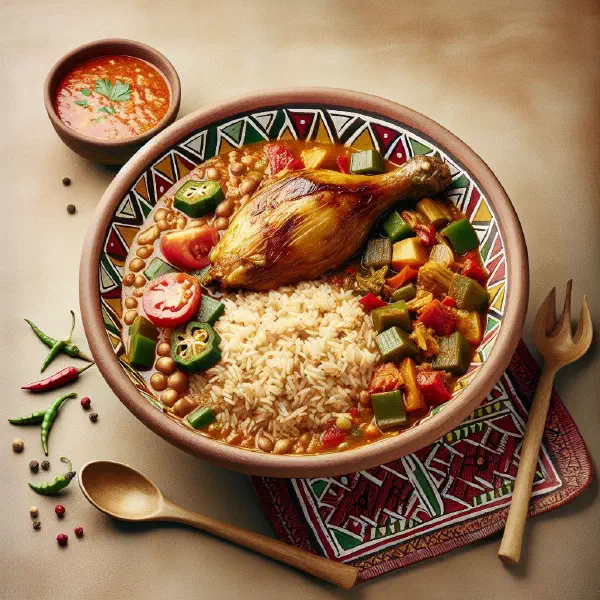
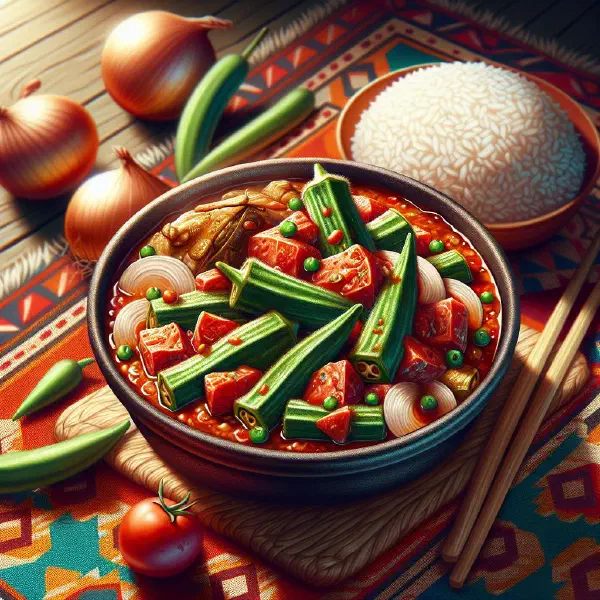
Presentation plays an important part in enjoying Djinkoume. Serve it on a large, colourful plate and garnish with freshly chopped herbs. A bright selection of sides, such as steamed vegetables or a spicy Sauce Gombo, looks inviting and appetising. Use attractive bowls for sauces or dips to round off the whole picture and create an authentic experience.
A bit of history
Djinkoume has its roots in the traditional kitchens of West Africa and reflects the cultural richness of Togo. Cooking with maize has a long history across many African countries and often stands for community and hospitality. This dish is served on special occasions and enjoyed day to day, which explains its enduring popularity. Djinkoume is therefore more than a treat. It also tells stories of tradition and way of life, and sits proudly within Togolese cuisine.
More recipe ideas
Summary: Djinkoume
Djinkoume is a unique dish that captures the rich culture of Togo. With its tasty combination of cornmeal and versatile sides, it offers a wealth of flavours and textures. Its simple ingredients and flexible preparation make it suitable for all kinds of occasions. Djinkoume is a pleasure for every palate.