National Dish Togo: Fufu (Recipe)
In this article
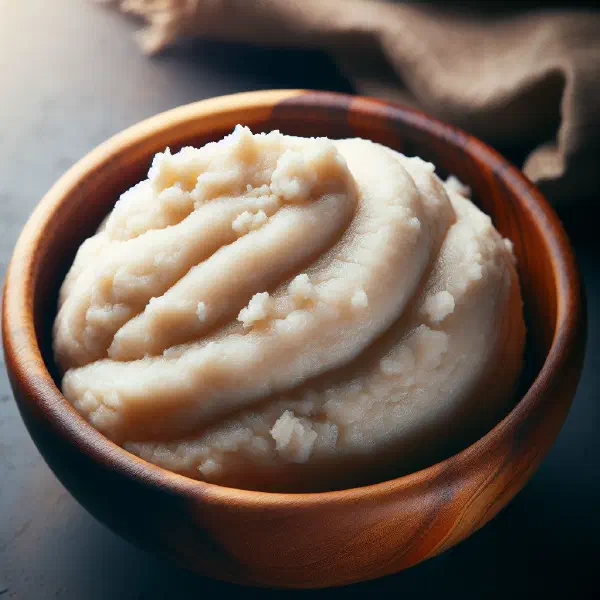
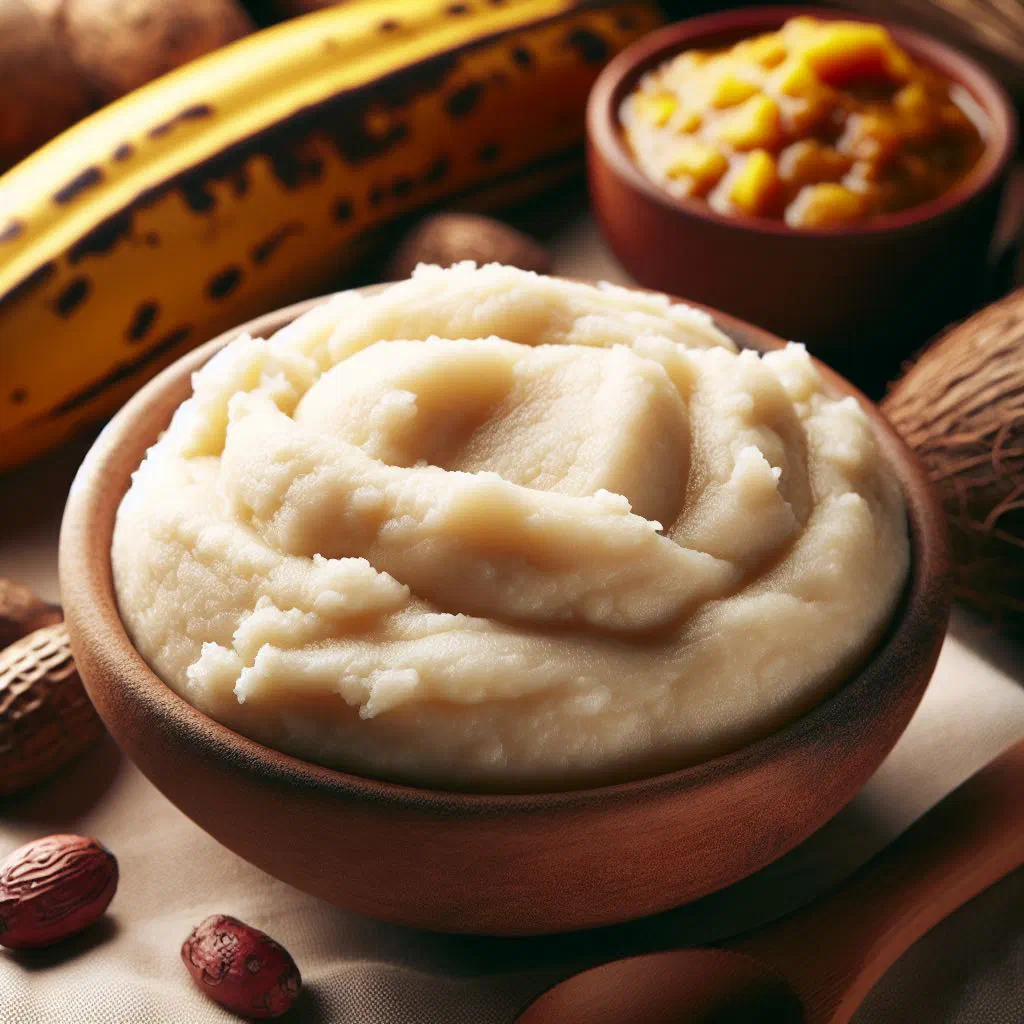
Discover Fufu, one of West Africa’s most cherished staples and a proud national dish of Togo. This soft, stretchy dough is pounded from starchy roots until it turns smooth and pillowy, ready to be pinched into bite-sized pieces and dipped in a hearty stew. More than just food, it is a symbol of togetherness, a dish meant to be shared around the table. Bring a taste of Togolese hospitality straight into your own kitchen.
About Fufu
Fufu is a traditional and much-loved dish across many countries in West Africa, Togo among them. Known for its distinctive texture and its versatility, fufu is traditionally made from starchy ingredients such as yam, plantain, cassava, or even a blend of them. Thanks to its dense, sticky consistency it is most often served as an accompaniment to savoury stews and sauces. Fufu owes its status as a national dish to how widespread it is, and to its cultural weight as a symbol of community and belonging.
Ingredients (serves 1–2)
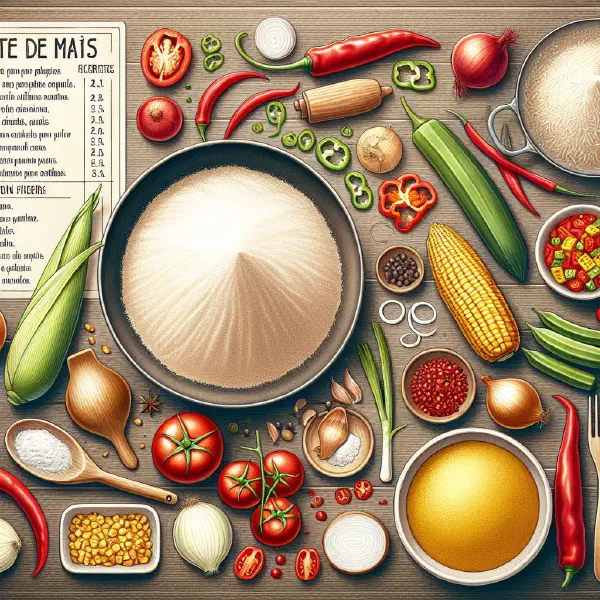
- 2 medium yams, or white sweet potatoes as an alternative (about 500g)
- Water, for boiling
Shopping for the ingredients
When buying yam or sweet potatoes, look for firm tubers that are free of soft spots or bruising. Yam can be found in some supermarkets, but you will have better luck at an African grocery store. Whatever you choose, pick fresh, good-quality ingredients to guarantee the authentic flavour and texture that make fufu so special.
Preparing the dish
Peel the yam or sweet potatoes thoroughly and cut them into evenly sized chunks. This helps them cook through at the same rate, and makes the later pounding into a smooth, uniform mass much easier.
Step-by-step instructions
- Cover the yam or sweet potato pieces with plenty of water in a large pot.
- Bring the water to the boil and simmer the yam for about 20 to 30 minutes until soft. The exact time depends on the size of the pieces.
- Once the yam is tender, drain off the water and work it into a smooth dough with a pestle or a sturdy wooden spoon.
- Keep pounding until you have a sticky, homogeneous mass.
- Depending on the consistency, add a little boiling water to reach the texture you want.
- Shape the fufu into balls and serve with a savoury sauce or stew.
Gluten-free / lactose-free version
Fufu is naturally both gluten-free and lactose-free, since it is made purely from starchy roots and water. That makes it an ideal choice for anyone with a gluten intolerance or a sensitivity to dairy. Simply take care that any accompanying sauce or stew is prepared with suitable ingredients, and everyone at the table can enjoy this dish without a second thought.
Tips for vegans and vegetarians
In its classic form fufu is entirely vegan, as it contains no animal products at all. The only thing to watch is the sauce or stew you serve alongside it, reach for a plant-based option built on vegetables, beans or groundnut. Fresh, seasonal produce is the key to a bright, authentic flavour, so this staple slots easily into a vegan or vegetarian diet.
More tips and tricks
An important tip for getting the perfect fufu consistency is not to add too much water while pounding, or the mass will turn runny. Instead, add the water gradually and in small amounts to keep that ideal, sticky texture. Warm your bowl of water beside you as you work, and wet your hands or spoon so the dough does not stick as you shape it.
Adapting the recipe to your taste
You can easily tailor the fufu recipe to your own preferences by using other starchy ingredients in place of yam, such as plantain or cassava. Adding a pinch of seasoning during cooking can lend the fufu a personal touch, too. The dish also shines alongside a fiery Groundnut Sauce, so feel free to experiment with the sauces you pair it with.
Ingredient substitutions
If yam is hard to come by in your area, boiled potatoes, sweet potatoes or plantain all make excellent stand-ins. They can be prepared into fufu in much the same way as yam. Cassava is another classic option and gives a slightly springier bite, the very same root that anchors a warming Cassava Soup. Substitutions like these let you adapt the dish to whatever you can find locally.
Drink pairing ideas
A traditional drink such as palm wine or a fruity hibiscus tea pairs wonderfully with fufu and rounds off the whole experience of this national dish. For something with a local flavour, a chilled glass of Bissap Juice or a zingy Ginger Juice makes a refreshing companion to a rich, savoury stew.
Serving and presentation ideas
Shaping small, neat fufu balls and arranging them on a colourful plate next to a vivid red sauce turns the dish into a highlight for both the palate and the eye. Serve it in a generous communal bowl to honour the spirit of sharing at the heart of Togolese meals, and let each guest tear off a piece to dip into the stew.
A bit of history
The history of fufu reaches far back and is deeply rooted in West African culture. It is thought that fufu arose from the need to turn starchy roots and tubers into a mouldable, nourishing accompaniment, one ideal for scooping up sauces and one that encourages the social ritual of eating together. Over generations it has become a cornerstone of Togolese cuisine, carrying meaning far beyond the plate.
More recipe ideas
Summary: Fufu
Fufu is a versatile and hearty national dish from Togo that calls for a special pounding technique and makes a superb partner to all manner of stews and sauces. With the tips and instructions above, you can prepare this comforting dish at home with ease and adapt it to your own tastes. More than a side, fufu is an invitation to gather round the table and share a meal the West African way, give it a try and taste the tradition for yourself.