National Dish Togo: Pâte Blanche (Recipe)

In this article
Meet Pâte Blanche, the comforting national dish of Togo. This West African staple pairs a soft, dough-like mash of cassava with a fragrant tomato sauce, delivering the kind of simple, honest cooking that West Africa does so well. Long a feature of celebrations and family gatherings, it turns humble ingredients into something warming and generous. Bring a taste of Togolese tradition to your own kitchen with this easy, satisfying recipe.
About Pâte Blanche
Pâte Blanche is more than a meal. It is a thread in the fabric of Togolese culture. Made from cassava, an enormously nourishing and versatile root, it is a symbol of the simple yet delicious cooking of West Africa. The pleasure of the dish lies in the contrast between the soft, dough-like texture of the pâte and the spiced sauce so often served alongside it. In Togo it appears frequently at celebrations and social gatherings, a reminder of just how much this everyday dish means to the people who make it.
Ingredients (serves 1–2)
- 500 g cassava
- Water (for boiling)
- For the sauce:
- 2 tomatoes
- 1 onion
- 2 cloves garlic
- 1 pepper
- Salt and pepper, to taste
- A little vegetable oil
Shopping for the ingredients
Before you start making Pâte Blanche, make sure you have everything you need in good condition. Your best bet is an African or Asian grocery, where you can pick up fresh cassava along with the rest of the ingredients. Choose cassava that is firm and free of blemishes, as the root spoils quickly. You will also find plenty of aromatics such as garlic and onions here, in different varieties that lend the dish extra flavour.
Preparing the dish
Preparing Pâte Blanche is quick and straightforward. First, peel the cassava and cut it into pieces so it cooks through evenly. It is important to remove the skin thoroughly, as the peel can be toxic. While the cassava boils, you can get started on the sauce that rounds the dish out so perfectly. A tidy work surface makes the whole process smoother and more relaxed.
Step-by-step instructions
- Bring the cassava to the boil in a large pan of water and cook for around 20–30 minutes, until soft.
- Meanwhile, finely chop the onion, tomatoes, garlic and pepper.
- Heat the vegetable oil in a frying pan and sauté the onion until translucent.
- Add the remaining ingredients and let everything simmer together for 10–15 minutes.
- Drain the cooked cassava and mash it with a fork or a pestle into a smooth paste.
- Pour the sauce over the pâte blanche and serve.
Gluten-free / lactose-free version
One of the great advantages of Pâte Blanche is that it is naturally gluten-free and lactose-free. That makes it ideal for anyone with those intolerances. When shopping, simply check that any additional products you use are also free of gluten and lactose.
Tips for vegans and vegetarians
Pâte Blanche is a wonderful choice for vegans and vegetarians, being rich in fibre and vitamins. You can easily adapt the sauce by adding extra vegetables or plant-based proteins such as tofu. Using plant oils instead of any animal fats makes the dish even more wholesome. With the right ingredients you can conjure up a tasty, nourishing meal that suits every way of eating.
More tips and tricks
A few handy tips and tricks can make preparing Pâte Blanche even easier. If the cassava turns out too firm, stir in a little more water to reach a creamier consistency. The sauce is easy to fine-tune, too, experiment with different spices to shift the flavour to your liking. Another good idea is to serve the sauce separately, so everyone can help themselves to as much as they want.
Adapting the recipe to your taste
There are plenty of ways to make Pâte Blanche your own. You can vary the heat by adding chilli or other fiery spices, and you can choose the vegetables in the sauce to match your personal preferences. A comforting starch-and-sauce pairing like this works much as the yam-based Foutou or the classic Fufu does, so feel free to borrow ideas across recipes.
Ingredient substitutions
If some ingredients for Pâte Blanche are hard to find, there are good alternatives to fall back on. Instead of cassava you could use yam, which has a similar texture. For the sauce, vegetables such as courgette or aubergine make fine additions. Bear in mind that the flavours may shift a little, but that simply opens the door to new taste experiences, the same spirit of improvisation that gives Djenkoume its character.
Drink pairing ideas
A dish like Pâte Blanche goes beautifully with a selection of refreshing drinks. Traditionally it is often served with local juices or soft drinks that echo the flavours of the meal. A hibiscus tea, much like Togo’s own Jus De Bissap, or a simple glass of water with lemon are good options too. Experiment with different drinks to find the perfect match and turn your meal into something special.
Serving and presentation ideas
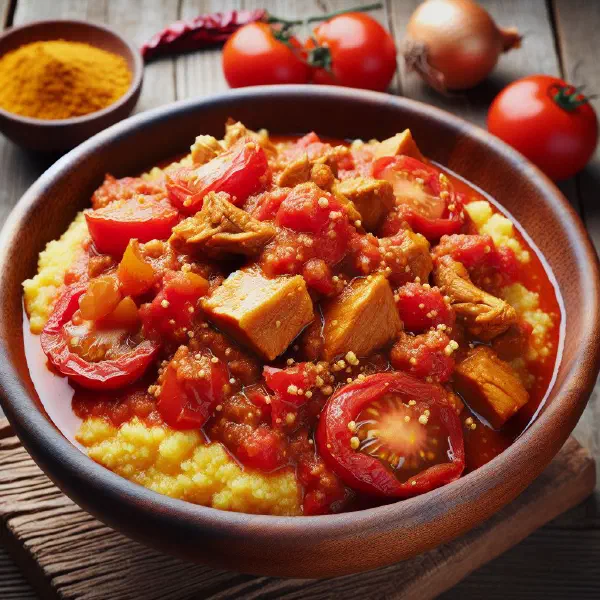
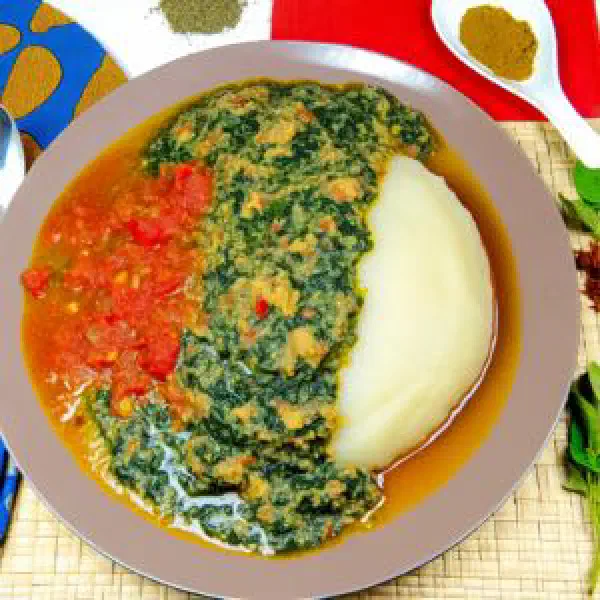
The presentation of Pâte Blanche can be as appealing as its taste. Arrange the pâte on a large plate and pour the sauce over the top so the colours really shine. Add a few fresh herbs or vegetables as a garnish to bring the dish to life. A thoughtful arrangement makes the food look inviting not just on the plate, but on the table as a whole.
A bit of history
Pâte Blanche has a long history in Togo, deeply intertwined with the country’s farming practices and culture. Cassava was one of the first crops cultivated in Africa and remains a staple across many regions to this day. The way Pâte Blanche is made reflects local cooking techniques and traditions passed down from generation to generation. Today it is treasured by Togolese families and by a growing worldwide appreciation for Togolese cuisine.
More recipe ideas
Summary: Pâte Blanche
In short, Pâte Blanche is a delicious, nourishing dish that captures the connecting elements of Togolese culture and cuisine. With just a handful of ingredients and a simple method, you can bring this pleasure into your own kitchen. The scope for adaptation is endless, so you can craft a taste experience that is entirely your own. Let the flavours of Togo inspire you and enjoy a piece of West African tradition.