National Dish Togo: Pâte de Maïs (Recipe)
In this article
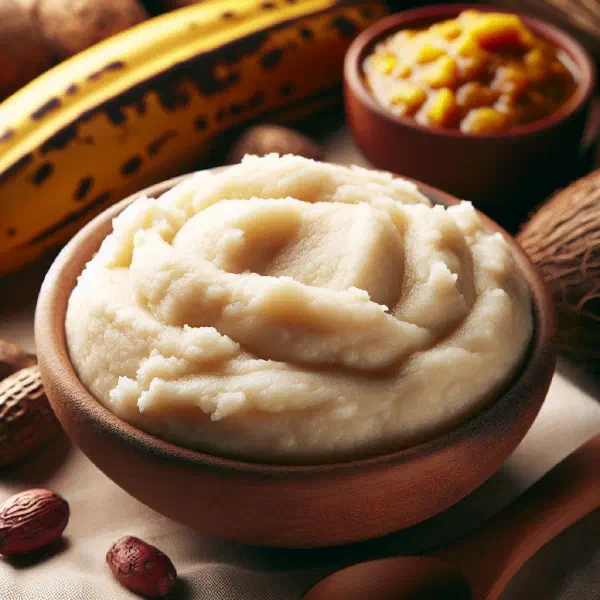
Pâte de Maïs is maize flour cooked into a stiff paste, and it is what most Togolese eat most days. It has no seasoning. The sauce beside it does all the work, and that sauce is where the cooking happens.
About Pate de Mais
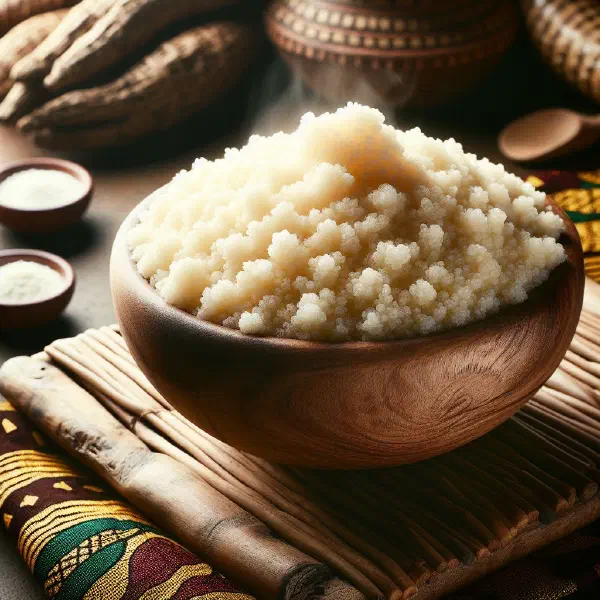
Pâte, or akoumé in Ewe, is the base of the Togolese meal. Maize flour is stirred into boiling water and worked until it comes away from the pot, then shaped into a ball with a wet spoon.
Fermenting the flour overnight gives a slightly sour version, which is what many households prefer and what distinguishes it from a plain porridge.
Ingredients (serves 1–2)
- 250 g cornmeal
- 500 ml water
- 1 pinch of salt
- Optional: seasonings of your choice (e.g. pepper, chilli)
Shopping for the ingredients
White maize flour from an African grocer. Fine grind. For the fermented version, mix the flour with water and leave it covered overnight before cooking, which is worth doing at least once.
Preparing the dish
Slurry a portion of the flour with cold water before it meets the boiling water. Use a heavy pot and a strong wooden spoon; the final stirring takes genuine effort.
Step-by-step instructions
- Bring most of the water to the boil in a pot and add a pinch of salt.
- Slurry the cornmeal with the remaining cold water into a smooth paste.
- Pour the slurry into the boiling water, stirring constantly.
- Reduce the heat and let the mixture cook for 15–20 minutes, stirring throughout.
- Work it hard against the side of the pot as it thickens.
- When the pâte comes away from the pot cleanly, shape it into balls with a wet spoon and serve hot.
Gluten-free / lactose-free version
Maize contains no gluten and the dish contains no dairy. Pâte is naturally suitable for both restrictions.
Tips for vegans and vegetarians
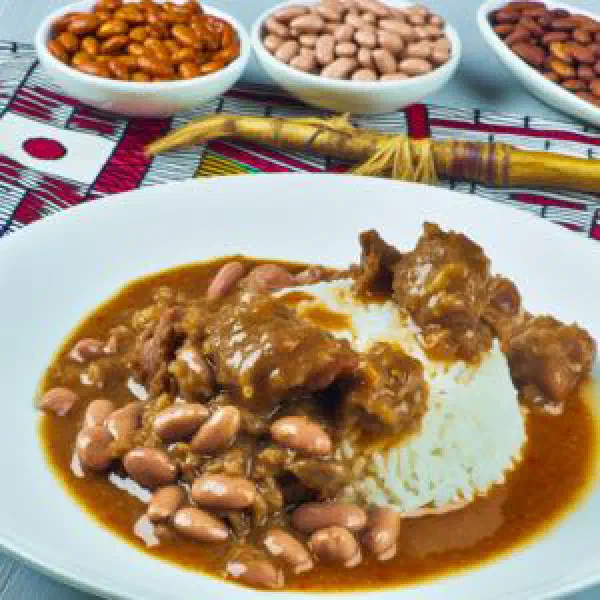
Pâte is flour and water. Sauce d’arachide, the groundnut sauce, and sauce gombo, the okra sauce, are both vegan when made without dried fish and both are standard.
More tips and tricks
Never stop stirring, since maize catches on the base within seconds. Cook it the full twenty minutes, because undercooked maize tastes raw. And shape it with a wet spoon into smooth balls, which is how it is served.
Adapting the recipe to your taste
Fermenting the flour overnight gives the sour version many prefer. Djenkoumé is the tomato-coloured version, cooked with palm oil and tomato. Cassava flour mixed in changes the texture.
Ingredient substitutions
Cassava, millet or sorghum flour all work. A mix of maize and cassava is common. Water only.
Drink pairing ideas
Jus de bissap, the hibiscus drink. Palm wine in rural areas. Water with the meal.
Serving and presentation ideas
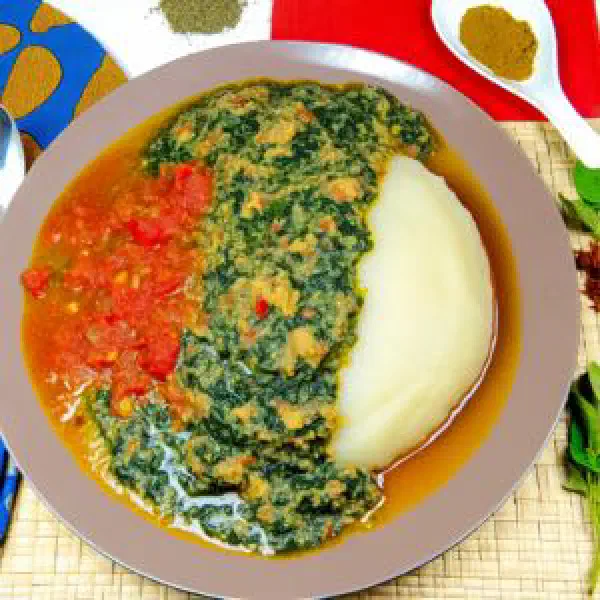
Serve smooth balls of pâte on a shared plate with the sauce in a bowl beside. Eaten with the right hand: pinch, hollow with the thumb, scoop. Wash hands at the table first.
A bit of history
Maize arrived in West Africa from the Americas through Portuguese trade and joined yam and millet as a staple. The stiff-paste format is older than the crop and was made with millet before. It is the base of Togolese cuisine and of most meals in the country.
More recipe ideas
Summary: Pate de Mais
Pâte de maïs is maize flour cooked stiff in water and shaped into balls. Slurry the flour first, never stop stirring, cook it through, and serve it hot with a sauce.