National Dish Togo: Pâte Noire (Recipe)
In this article
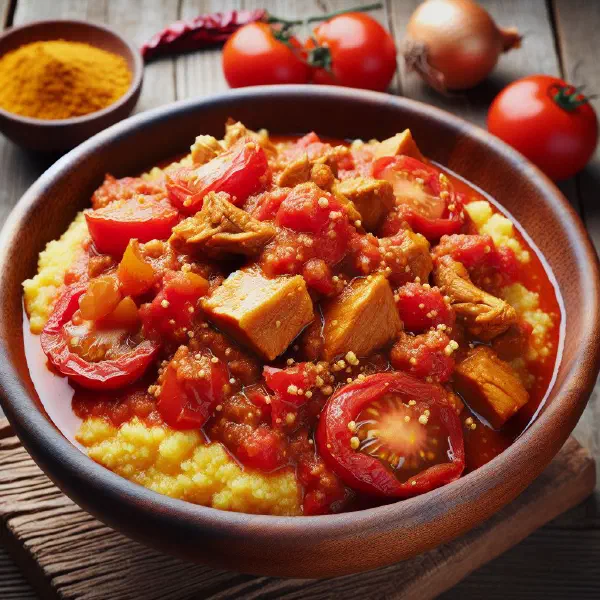
Discover Pâte Noire, a hearty classic from the heart of Togo. This warming dish brings together roasted peanuts, cornmeal and puréed vegetables to create a flavour that is both filling and nourishing. Carefully chosen spices give it a character all its own, and in Togolese homes it is often prepared with real care and served at the centre of the table. Bring a taste of West Africa straight into your own kitchen.
About Pâte Noire
Pâte Noire is a distinctive dish from Togo, deeply rooted in the country’s culinary culture. This hearty preparation combines peanuts, maize and puréed vegetables to build a flavour profile that is at once satisfying and full of goodness. Its unique taste comes above all from the careful choice of spices. In many households pâte noire is made with plenty of love and frequently takes pride of place at festive occasions, making it a wonderful example of everyday Togolese cooking.
Ingredients (serves 1–2)
- 200 g cornmeal
- 100 g peanuts (roasted)
- 1 onion, finely chopped
- 2 carrots, diced
- 1 pepper, diced
- 400 ml vegetable stock
- 2 tablespoons vegetable oil
- Spices: salt, pepper, nutmeg, chilli to taste
Shopping for the ingredients
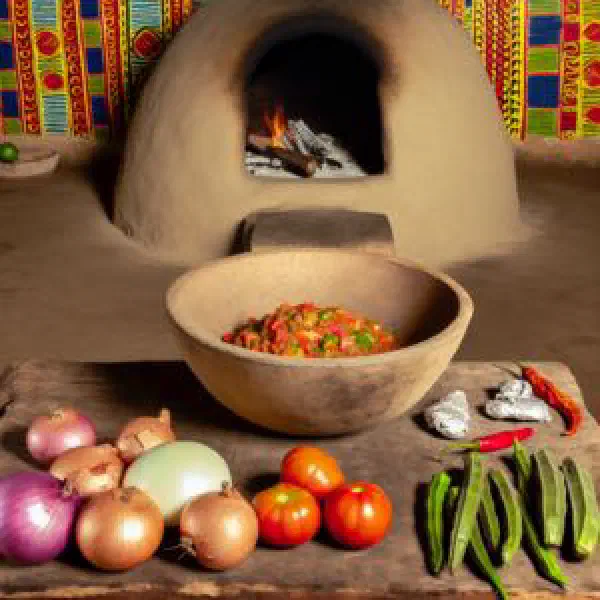
The first step towards making pâte noire is shopping for the ingredients. Most of what you need is easy to source in any well-stocked supermarket or an Asian grocery. Peanuts and cornmeal are often found in the international aisle. Look out for freshly roasted peanuts to bring the very best aroma to the finished dish.
Preparing the dish
Before you start cooking, gather all your ingredients and get them ready. Chop the vegetables, the onions, carrots and peppers, into small pieces so they cook evenly. Roasting the peanuts, if you are using unroasted ones, improves both the flavour and the texture of the dish. Make sure you also have all your spices to hand so you can season at just the right moment.
Step-by-step instructions
- Heat the vegetable oil in a large pan and sauté the chopped onion until translucent.
- Add the carrots and pepper and fry for about 5 minutes.
- Stir in the peanuts and fry briefly to intensify their flavour.
- Sprinkle the cornmeal into the pan a little at a time, stirring it in as you go.
- Gradually pour in the vegetable stock, mixing everything together well.
- Season with salt, pepper and the other spices and bring to the boil.
- Reduce the heat and let the dish simmer gently for 20 minutes, until it reaches the consistency you like.
Gluten-free / lactose-free version
Pâte noire is naturally gluten-free and lactose-free, which makes it a great option for anyone with particular dietary needs. Just take care that no gluten-containing ingredients sneak in through the spices or stock. These small checks make it easy to enjoy the dish without a second thought. More and more people are appreciating the benefits of a gluten- and lactose-free diet without having to give up on flavour.
Tips for vegans and vegetarians
The lovely thing about pâte noire is that it is already made without any animal products. The combination of vegetables, peanuts and spices offers a nourishing and fantastic option for vegans and vegetarians alike. Simply use a vegetable stock that is likewise free of animal ingredients. Beyond that, tofu or tempeh can be added to create a more protein-rich version, much as they would in a comforting Saka Saka.
More tips and tricks
For an even more intense flavour experience, vary the vegetables or add extra spices. A splash of lime juice just before serving brings freshness and lifts the whole dish. If you prefer a creamier consistency, you can also stir in a little coconut milk. Experiment with the preparation and adjust the seasoning to your taste.
Adapting the recipe to your taste
Pâte noire is very easy to adapt to individual preferences. If you like things hotter, add more chilli or experiment with different varieties. The vegetables can be chosen according to what is in season or simply what you fancy, courgette, pumpkin or spinach all work beautifully. That way the dish stays not only varied but exciting too.
Ingredient substitutions
If you are not keen on peanuts or have an allergy, you can replace them with cashews or even ground almonds. The cornmeal, too, can be swapped for other flours such as oat flour, which is likewise gluten-free. Depending on what is available locally, regional plants can also be used to adapt the dish, as they would be in a rustic Ragoût d’Igname. Just keep an eye on the consistency to achieve the best result.
Drink pairing ideas
To enjoy your pâte noire all the more, pair it with a refreshing drink. A glass of chilled sparkling water or a fruity juice such as a tangy Jus de Bissap goes wonderfully with the hearty flavour of the dish. A lightly sweetened tea can also make a lovely companion, especially when brewed with fresh herbs. For the more adventurous, there is even the option of trying a regional beer from Togo.
Serving and presentation ideas
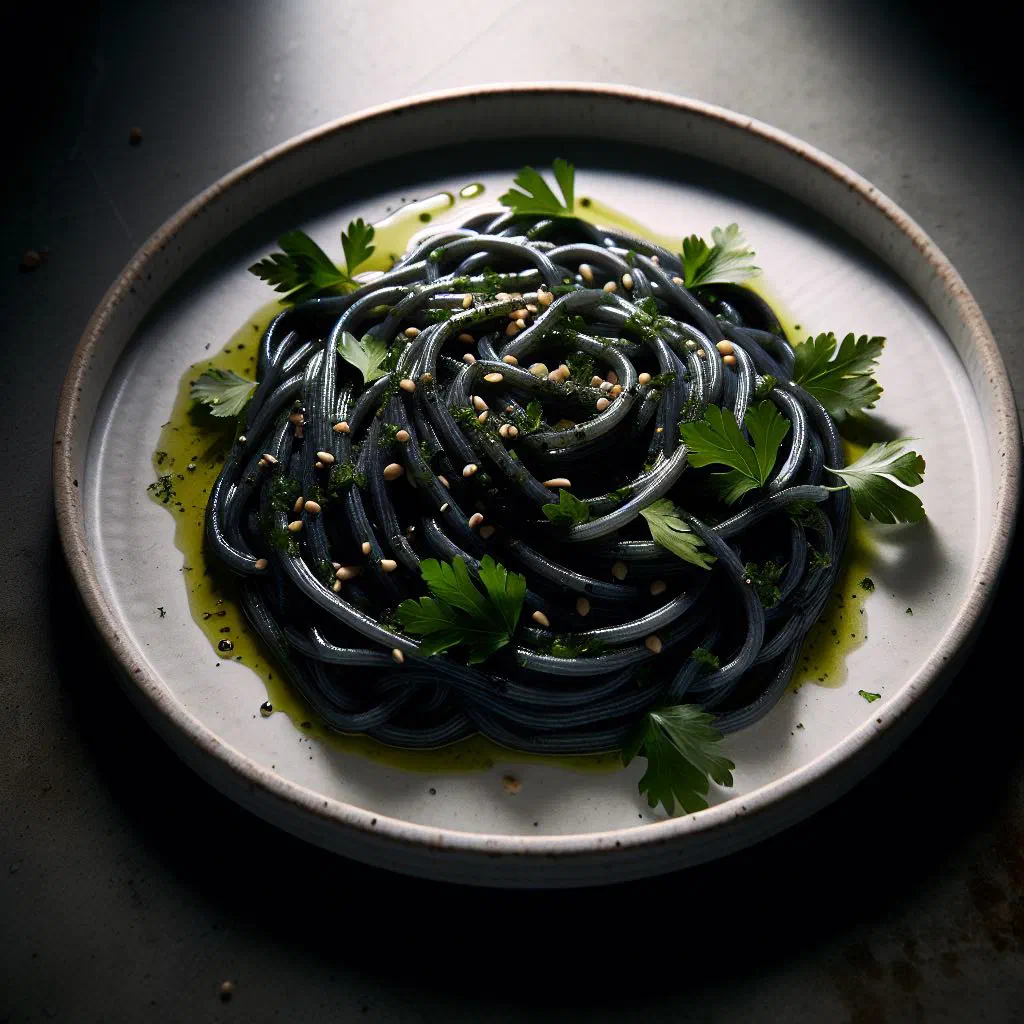
The presentation of your pâte noire can greatly enhance the eating experience. Serve the dish in an attractive bowl and garnish it with fresh herbs such as parsley or coriander. Colourful vegetables can also be used for decoration. An appealing presentation makes the meal even more inviting and leaves a positive impression on your guests.
A bit of history
Pâte noire has its roots in the rich Togolese kitchen and tells us a good deal about the eating habits of the people who live there. It is often sold as street food and is a favourite in many home kitchens too. The pairing of peanuts and maize has evolved over generations and is offered today in all sorts of variations. The dish’s popularity reflects the culture and traditions of Togo, much like the beloved Maffe.
More recipe ideas
Summary: Pâte Noire
In Pâte Noire, traditional know-how meets delicious flavour. This dish is nourishing and an expression of the cultural identity of Togo. Preparing it calls for no special cooking skills and it suits any occasion beautifully. Let the simplicity and taste of pâte noire win you over, and bring a piece of West Africa into your own kitchen.