National Dish Togo: Saka Saka (Recipe)
In this article
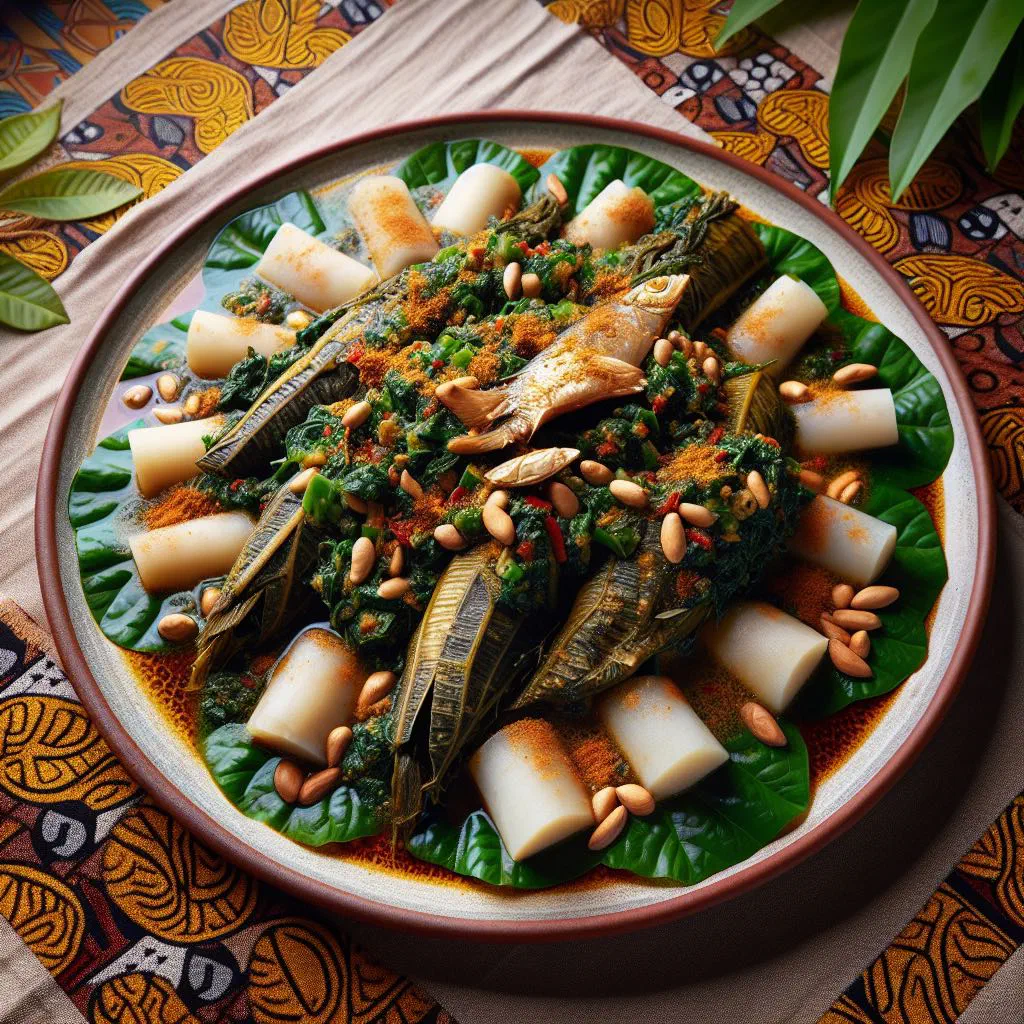
Say hello to Saka Saka, one of Togo’s most cherished home-cooked dishes. Built around finely pounded cassava leaves slow-cooked with onions, tomatoes and rich palm oil, it delivers the deep, earthy flavours that define West African cooking. Meat or keep it entirely plant-based, this hearty one-pot is comforting, colourful and wonderfully nourishing, a true taste of Togolese home cooking.
About Saka Saka
Saka Saka is a traditional dish that is hugely popular in Togo and across many other West African countries. It is based on cassava leaves, which are rich in nutrients and an excellent source of vitamins and minerals. The combination of fresh vegetables and savoury spices makes this dish a real treat. It is often served with fish or meat, which adds considerable depth of flavour and turns a simple pot of greens into a satisfying main course.
Ingredients (serves 1–2)
- 300 g fresh or frozen cassava leaves
- 1 onion
- 2 tomatoes
- 2 cloves of garlic
- 1–2 chillies (to taste)
- 200 g fish or meat (optional)
- 2 tablespoons palm oil
- Salt and pepper to taste
Shopping for the ingredients
The ingredients for Saka Saka are often easy to find in African grocery shops. In particular, the cassava leaves should be available fresh or frozen. If you would like to prepare the dish vegan, simply leave out the fish or meat. It is also worth using fresh vegetables and spices to bring out the full aroma of the dish.
Preparing the dish
Before you start cooking Saka Saka, it is important to prepare all the ingredients well. Wash the cassava leaves thoroughly and cut the vegetables into small pieces. To bring the flavours together beautifully, finely chop the onion and garlic. The chillies can be sliced to taste, so you can adjust the heat of the dish exactly to your liking.
Step-by-step instructions
- Heat the palm oil in a large pot.
- Add the chopped onion and fry until golden brown.
- Add the chopped garlic and chillies and fry briefly.
- Add the tomatoes and let them simmer for a few minutes until soft.
- For the non-vegan options, add the meat or fish and fry everything through well.
- Now add the prepared cassava leaves to the pot and stir everything together thoroughly.
- Season with salt and pepper, and let the dish simmer over low heat for about 30 minutes.
- Serve the dish hot with rice or fufu.
Gluten-free / lactose-free version
Saka Saka is naturally gluten-free and lactose-free, which makes it an ideal choice for anyone with those food intolerances. The ingredients used are plant-based and contain no hidden sources of gluten. If you do use meat or fish, just make sure those options are gluten-free too. This flexibility makes the dish easy to adapt to a range of dietary needs.
Tips for vegans and vegetarians
For vegan and vegetarian versions of Saka Saka, you can replace the fish and meat with lentils or chickpeas. These pulses provide protein and add to the texture of the dish. Round it out with further vegetables such as carrots or peppers to boost the nutritional value. Simply cook the dish following the same recipe and enjoy a full-flavoured plant-based meal, much like a bowl of hearty Soupe De Lentilles.
More tips and tricks
To intensify the aroma of Saka Saka even further, you can add different spices such as cumin or paprika. These spices give the dish a distinctive flavour and make it even tastier. You can also adjust the consistency of the dish by using more or less palm oil. Feel free to experiment with the ingredients to create your own personal favourite version.
Adapting the recipe to your taste
The wonderful thing about Saka Saka is that you can tailor it entirely to your personal preferences. Add your favourite vegetables or vary the spices to find the perfect flavour for you. If you like it especially fiery, you can add extra fresh chilli. It is an extremely versatile dish that leaves plenty of room for creativity.
Ingredient substitutions
If you cannot find cassava leaves, you can replace them with other leafy greens such as spinach or chard. These alternatives offer similar nutrients and flavour. The palm oil can also be swapped for olive or rapeseed oil to create a lighter version. Do not miss the chance to experiment with different ingredients to discover new flavour combinations.
Drink pairing ideas
Refreshing drinks go wonderfully with a delicious dish like Saka Saka. Try it with a cold fruit juice, such as pineapple or mango, to complement the flavours. Alternatively, you could serve a traditional West African ginger beer, whose spicy notes pair beautifully with the aromas of the dish. A simple glass of water with lemon rounds off the meal perfectly.
Serving and presentation ideas
The presentation of a dish can greatly enhance the pleasure of eating it. Serve Saka Saka in a colourful bowl to show off the shades of the fresh ingredients. Garnish the dish with fresh herbs such as parsley or coriander for an appealing look. Serve it with a nice portion of rice or Fufu on the side to create an inviting composition on the plate.
A bit of history
Saka Saka has a long tradition in West African cooking and reflects the deeply rooted relationship people have with their agricultural produce. The use of cassava is typical of this region, as it is nutritious and versatile. This dish embodies the cultural identity of Togo and shows how local ingredients are transformed into delicious meals. Historically, dishes like this were often prepared and enjoyed in communities, underlining the social importance of food within Togolese cuisine.
More recipe ideas
Summary: Saka Saka
In summary, Saka Saka is a wonderful example of the rich culinary tradition of Togo. With its nutritious ingredients and unmistakable flavours, it offers a delicious treat and an insight into the culture and history of the region. This dish is easy to prepare and adapts readily to different dietary needs. Let it inspire you and enjoy the diversity of West Africa with this one-of-a-kind dish.