National Dish Togo: Yovo Dessi (Recipe)
In this article
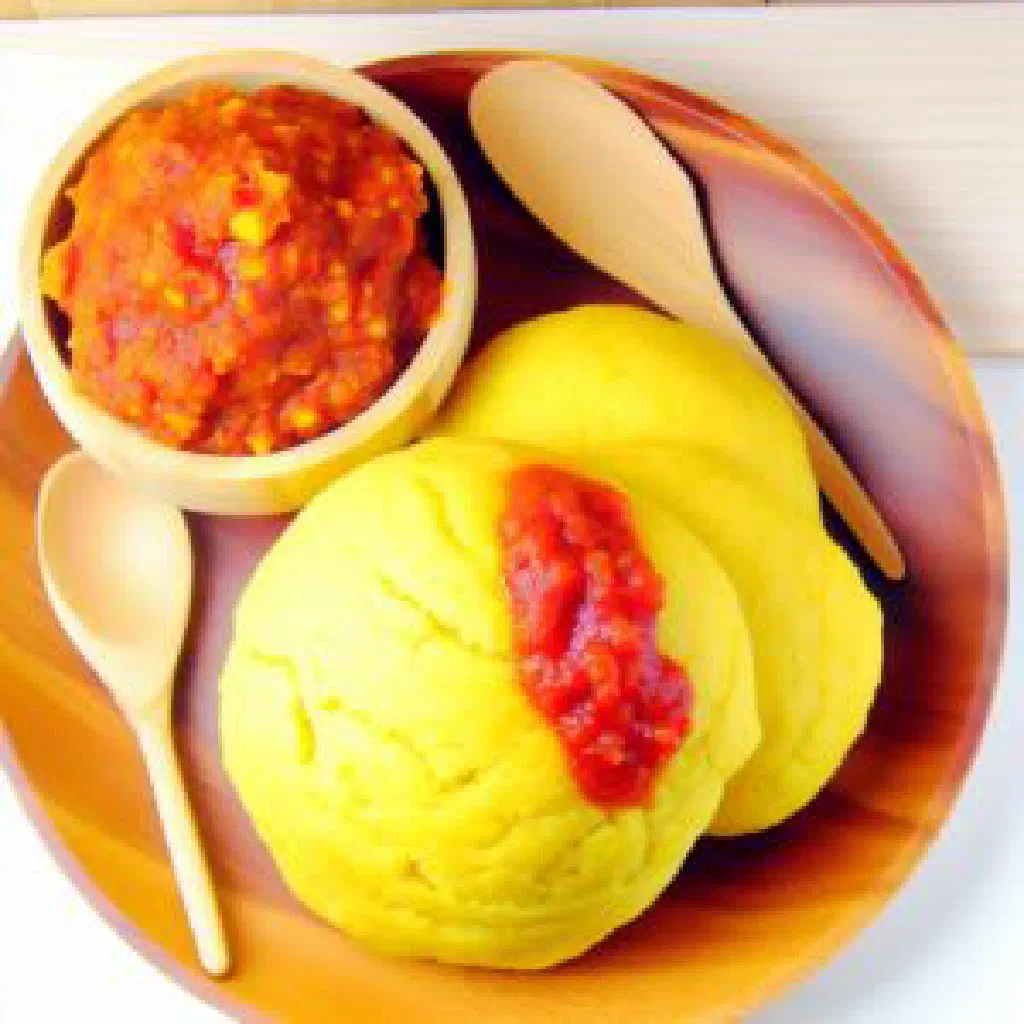
Meet Yovo Dessi, a comforting taste of Togo built around tender little dough balls made from rice or maize. These soft, steamed morsels are paired with a warm, savoury peanut sauce that carries the unmistakable character of West African cooking. Simple to make yet deeply satisfying, the dish is a favourite at Togolese tables and a wonderful introduction to the region’s love of nutty, aromatic flavours. Bring a little of Togo’s warmth into your own kitchen.
About Yovo Dessi
Yovo Dessi are the traditional dough balls made from either rice or maize, and they are as nourishing as they are easy to prepare. The delicate balls are usually served with a hearty peanut sauce that gives the whole dish its gently spiced, savoury depth. Bringing together several hallmarks of West African cooking, Yovo Dessi is especially beloved in Togo, where it turns humble everyday ingredients into a genuinely satisfying meal.
Ingredients (serves 1–2)
- 1 cup rice or cornmeal
- 1/2 cup water
- 1/4 cup peanut butter
- 1/2 onion, finely chopped
- 1 clove garlic, crushed
- 1 tsp cumin
- 1 tsp paprika
- Salt and pepper, to taste
- Fresh parsley, to garnish
Shopping for the ingredients
To make Yovo Dessi at its best, choose fresh, good-quality ingredients. The rice or cornmeal matters most, as it forms the base of the dish, so pick a variety you trust. Use fresh peanuts or a good peanut butter to draw out the fullest flavour from the sauce. Buy your spices as fresh as possible too, as this is what gives the finished dish its lively aroma.
Preparing the dish
Begin by making the dough, combining the rice or cornmeal with water to form a smooth, workable mixture. Keep a close eye on the consistency so the balls hold together and do not fall apart during steaming. While the dough rests, get ahead by preparing the peanut sauce, which saves time and keeps everything running smoothly.
Step-by-step instructions
- Combine the rice or cornmeal with water and knead into a smooth, pliable dough.
- Shape the dough into small balls and place them in a steamer.
- Steam the balls for around 20 minutes, until firm and cooked through.
- For the peanut sauce, heat a little oil in a pan and fry the onion and garlic.
- Stir in the peanut butter and the spices and mix everything together well.
- Serve the steamed balls with the peanut sauce and garnish with parsley.
Gluten-free / lactose-free version
Yovo Dessi is easily made gluten-free by using cornmeal in place of wheat flour, which keeps the dish both suitable for a gluten intolerance and nicely nourishing. For a lactose-free version, reach for a plant-based peanut butter that contains no dairy. It is worth checking your other ingredients for hidden lactose too, so that everyone at the table can enjoy the dish with confidence.
Tips for vegans and vegetarians
Yovo Dessi lends itself beautifully to vegan and vegetarian eating. Choose a vegan peanut butter and stir fresh vegetables or pulses into your sauce to boost its nutritional value. The dish is not only wholesome but genuinely filling and satisfying, making it a great option for anyone who loves plant-based cooking. It sits happily alongside other West African favourites such as Sauce Darachide.
More tips and tricks
To get the most from your Yovo Dessi, feel free to experiment with different spices and herbs. Try adding a little chilli to the peanut sauce for a warming kick, or loosen the sauce with extra water for a creamier texture. This flexibility is exactly what makes the dish so versatile, letting you tune it to the mood of the moment.
Adapting the recipe to your taste
Yovo Dessi is easy to shape around your own preferences. If you would like a different protein, swap the peanut butter for tofu or tempeh, or fold mixed vegetables into the sauce for a colourful, nourishing plate. Remember that every bite can be a little different depending on the ingredients you choose, which is part of the fun. It sits well next to a hearty Maffe when you want to build a fuller spread.
Ingredient substitutions
If you dislike peanuts or have an allergy, sunflower seed butter delivers a similar texture and flavour. In place of rice or cornmeal, chickpea flour makes a rich and nourishing alternative. These small swaps keep the traditional flavours intact while offering fresh variations on the recipe, so the dish always stays interesting. The same nutty spirit runs through Sauce Pistache, another Togolese classic worth trying.
Drink pairing ideas
To round out the meal, fresh fruit juices or unsweetened iced tea make excellent companions. These drinks refresh the palate and bring a pleasant balance to the savoury notes of Yovo Dessi. If you prefer something alcoholic, a light, fruity beer or a white wine can pair nicely. The right drink can genuinely lift the whole dining experience.
Serving and presentation ideas
An inviting presentation makes the meal all the more enjoyable. Serve Yovo Dessi on a colourful plate and garnish generously with fresh parsley or other herbs. Set a small bowl of the peanut sauce to one side so everyone can add a little extra to taste. We eat with our eyes first, and a thoughtful presentation can noticeably heighten the pleasure of the dish.
A bit of history
Yovo Dessi has its origins in West African cooking and reflects the culture and traditions of Togo. More than simply something to eat, the dish is part of the social fabric that shapes the country. It is often prepared for festive occasions and speaks to the hospitality and togetherness of its people. Recipes like this are passed down from one generation to the next, underlining just how meaningful the dish remains within Togolese cuisine.
More recipe ideas
Summary: Yovo Dessi
Yovo Dessi is more than just a dish. It is a symbol of Togo’s rich culinary tradition. The pairing of steamed dough balls with an aromatic peanut sauce makes it a delicious choice for anyone who appreciates West African cooking. Best of all, it adapts easily to whatever you need, whether you are cooking gluten-free, vegan or vegetarian. This dish brings the flavour of Togo to the table, and the simple joy of sharing a meal together.