National Dish Togo: Zukomè (Recipe)
In this article
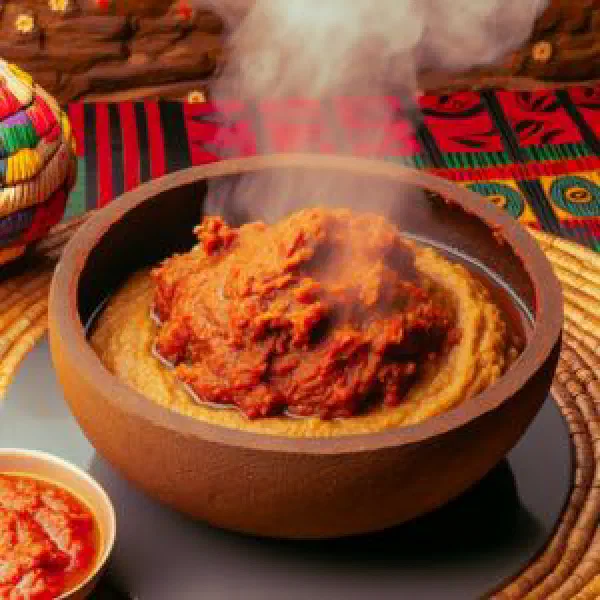
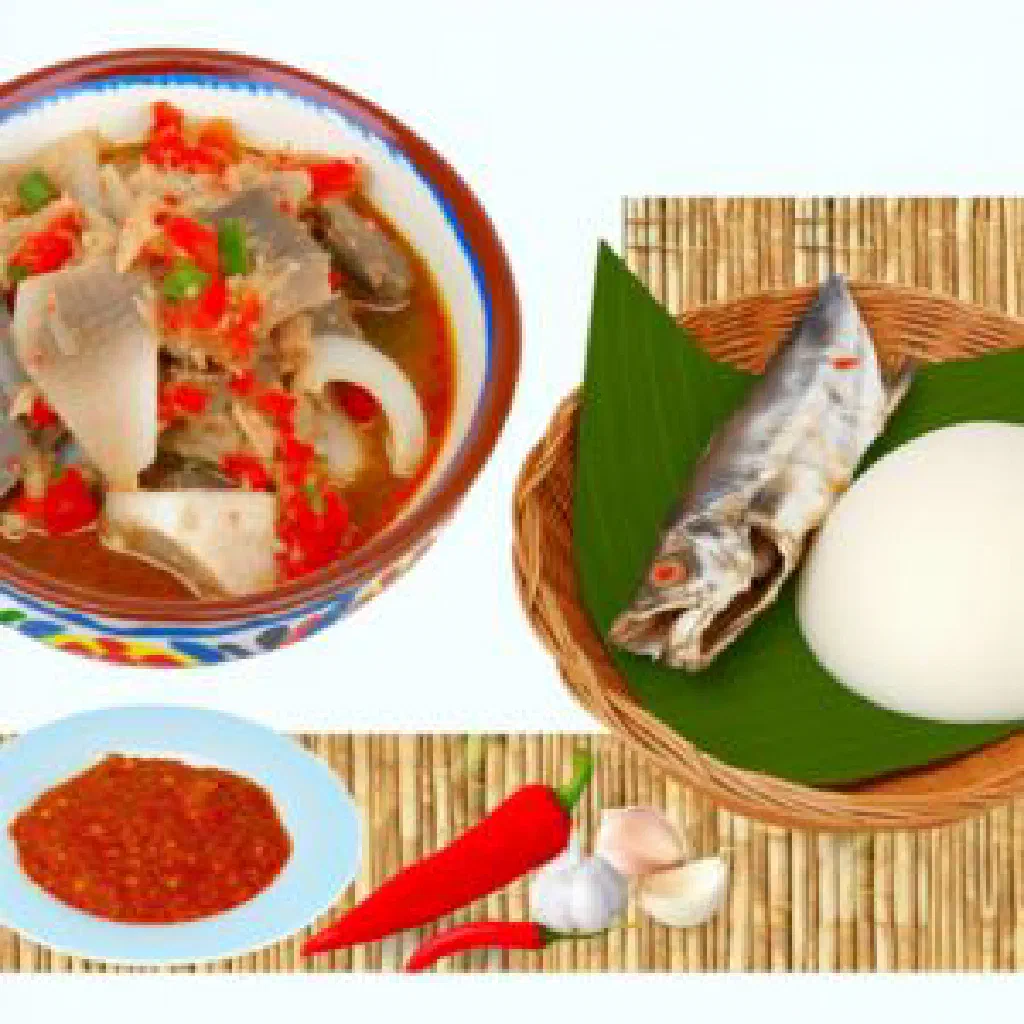
Meet Zukomè, a warming taste of Togo that turns a handful of humble ingredients into something memorable. Soft dumplings of maize flour are paired with tender fish and a lively, spiced sauce, capturing the generous spirit of West African cooking. It is the kind of dish that draws people together around the table, and it is far easier to prepare at home than you might expect. Let these bold, comforting flavours transport you straight to the heart of Togo.
About Zukomè
Zukomè is far more than a meal. It is an experience of Togolese culture, and it speaks to the variety and richness of West African cooking. Its two main components, maize flour and fish, come together in perfect harmony to create a flavour that is entirely its own. The dish is often served with a spicy sauce that lends it a special character and makes every mouthful all the more satisfying. Simple in its make-up yet deeply rewarding, it is a true staple of the Togolese kitchen.
Ingredients (serves 1–2)
- 200 g maize flour
- 150 g fresh fish (such as tilapia or mackerel)
- 1 onion, finely chopped
- 2 cloves of garlic, crushed
- 1–2 green chillies, to taste
- Salt to taste
- Water (for cooking)
Shopping for the ingredients
Shopping for the ingredients for Zukomè is easy enough, whether you head to a local market or a specialist shop. Take care to choose fresh fish to guarantee the best possible flavour, the same quality that makes a simple Poisson Grillé shine. Many markets also stock regional maize flour, which is essential to this dish. Where you can, seek out shops that specialise in West African groceries to be sure of top quality.
Preparing the dish
Preparing the dish involves a few simple steps to get everything ready for cooking. Begin by cleaning the fish and cutting it into small pieces. The onions and garlic should be prepared to your liking too. If you would like to add extra spices or other ingredients, now is the moment to adjust the dish to suit your taste.
Step-by-step instructions
- Bring the fish and onions to the boil in a pan with a little water.
- After 10 minutes, add the garlic and chillies and continue cooking.
- In a separate bowl, mix the maize flour with warm water and knead it into a smooth, even paste.
- Transfer the cooked ingredients to a bowl and season with salt to taste.
- Shape the prepared maize paste into small balls and serve them alongside the sauce.
Gluten-free / lactose-free version
If you prefer a gluten-free or lactose-free version, Zukomè is ideal thanks to its simple ingredients. The recipe calls for no gluten-containing components, so it is naturally suitable for anyone with coeliac disease. For those avoiding lactose, every ingredient used here is already lactose-free. Simply double-check the consistency of the sauce to make sure no dairy products have crept in.
Tips for vegans and vegetarians
For vegans and vegetarians, Zukomè can be adapted with ease. Replace the fish with plant-based protein such as tofu or soya to provide a nourishing alternative. Instead of a fish-based sauce, various vegetable stocks can be used to deepen the flavour. Experiment, too, with vegetables that suit these aromas to make the dish even more enjoyable.
More tips and tricks
A few extra tips and tricks can help you get the very best out of Zukomè. Try adjusting the spices to your own taste to give the dish a personal touch. Serving it in a traditional bowl can also enrich the whole eating experience. Do not be afraid to experiment with the ingredients, sometimes the finest combinations come from a little creative trial and error.
Adapting the recipe to your taste
Adapting the recipe to your preferences can be key to making the dish truly your own. Mix different types of fish, for example, or add more vegetables to boost the variety of nutrients. The heat can easily be dialled up or down simply by using more or fewer chillies.
Ingredient substitutions
If certain ingredients are not to hand, there are handy substitutions you can use in Zukomè. In place of maize flour, rice flour works well and gives the dish a different texture. As a fish alternative, seitan or jackfruit offer a meat-like consistency. Find creative ways to turn the dish into an unexpected but delicious variation.
Drink pairing ideas
The right drink can lift the Zukomè experience even further. Traditionally, West African dishes pair beautifully with lightly chilled beer or refreshing fruit juices. A cup of green tea or a glass of cool water with lemon complements the flavours nicely too. See which drinks best bring out your own personal preference.
Serving and presentation ideas
An attractive presentation of Zukomè may come down to small details, but they make a real difference. Serve the dish on traditional plates and garnish it with fresh herbs such as parsley or coriander. A few slices of lemon on the side, or a little extra chilli, add welcome colour and texture. A nicely laid table also helps turn the meal into a special occasion.
A bit of history
The history of Zukomè is firmly rooted in Togolese culture. It has been handed down over generations and, in recent years, has spread well beyond the country’s borders. Preparing Zukomè is often a family ritual that brings people together and highlights shared cultural values. By making use of local ingredients, it reflects the geography and the way of life of the people of Togo, a fine example of Togolese cuisine.
More recipe ideas
Summary: Zukomè
In short, Zukomè is not merely a dish but a symbol of Togolese culture. It brings fresh, high-quality ingredients together with the simplest of methods to create a flavour all its own. Thanks to the recipe’s adaptability, anyone can add their own personal touch. This dish is an open invitation to explore West African cooking with an easy heart and to let its aromas work their magic.