National Dish Trinidad and Tobago: Cornmeal Cou-Cou (Recipe)
In this article
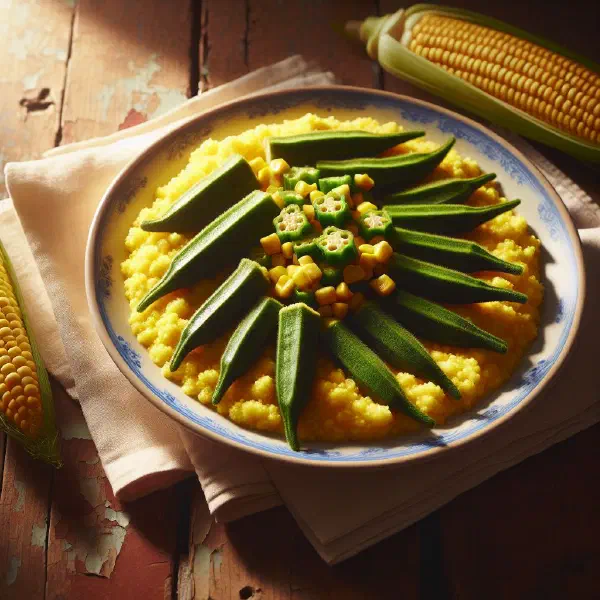
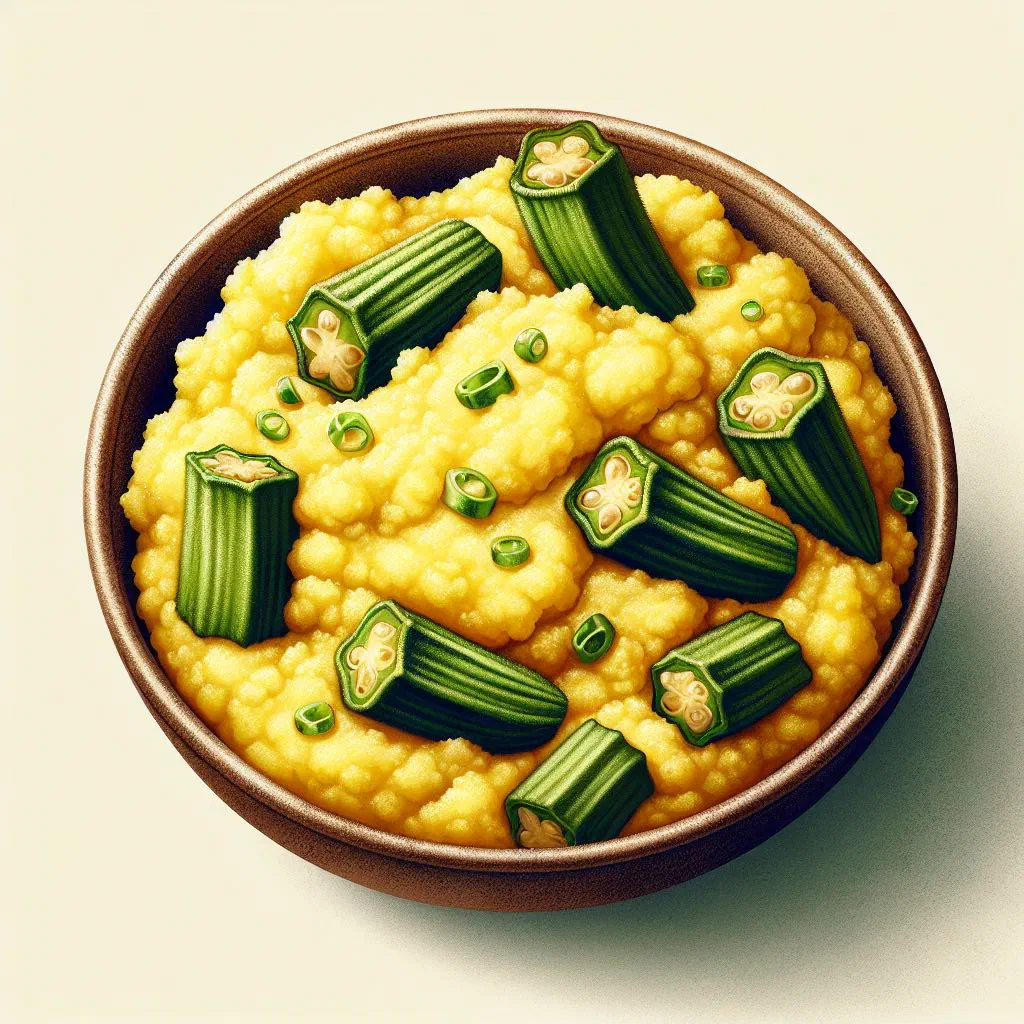
Discover Cornmeal Cou-Cou, one of Trinidad and Tobago’s most treasured dishes. This creamy blend of cornmeal and okra is Caribbean comfort food at its finest, smooth, savoury and wonderfully satisfying. Traditionally served alongside freshly caught fish, it brings an authentic taste of the islands to your table with just a handful of everyday ingredients.
About Cornmeal Cou-Cou
The national dish of Trinidad and Tobago, Cornmeal Cou-Cou, is a truly unique experience for the palate. It combines cornmeal and okra into a creamy, savoury dish that appeals to locals and visitors alike. Cou-cou has a long tradition and is often served with freshly caught fish, which makes it all the more delicious. Try it next to a portion of Fried Fish for the classic island pairing. This recipe is simple to prepare and brings the flair of the Caribbean straight into your kitchen.
Ingredients (serves 1–2)
- 1 cup cornmeal
- 2 cups water
- 1 cup okra, cut into small pieces
- 1 onion, chopped
- 2–3 garlic cloves, chopped
- 1 tablespoon butter or oil
- Salt and pepper to taste
Shopping for the ingredients
To make cornmeal cou-cou you need a few essential ingredients, all of which are easy to find in any well-stocked supermarket or at a weekly market. When buying cornmeal, make sure it is fresh and of good quality to guarantee the best flavour. The okra should be crisp and bright green, while the onion and garlic must be fresh so they can develop their full aroma during cooking. To refine the dish, it is also worth exploring local spices for a truly authentic taste.
Preparing the dish
Before you start cooking the cornmeal cou-cou, it is important to prepare all the ingredients properly. Cut the okra into small pieces and finely chop the onion and garlic. Getting the ratio of water to cornmeal right is crucial for achieving the desired creamy consistency. Make sure everything is within easy reach before you begin the cooking process, so that everything runs smoothly.
Step-by-step instructions
- Bring the water to the boil in a pan and add the chopped onion and garlic.
- Add the chopped okra and cook for about 5 minutes, until soft.
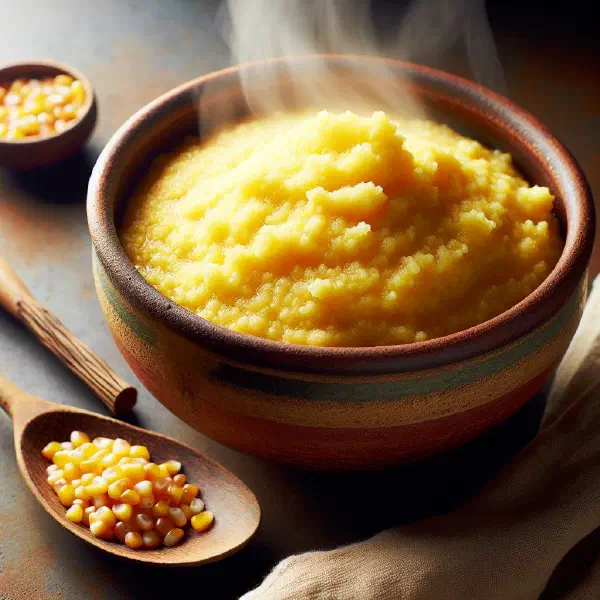
- Slowly add the cornmeal, stirring constantly to avoid lumps.
- Keep stirring until the cou-cou becomes thick and creamy, about 10 minutes, then season with salt and pepper.
- Remove the cou-cou from the heat and finish it with a little butter or oil.
Gluten-free / lactose-free version
For anyone with a gluten or lactose intolerance, cou-cou is an excellent choice, since the main ingredients, cornmeal and okra, are naturally gluten-free and lactose-free. Instead of butter you can use a plant-based oil to adapt the dish further. It is also worth checking the origin of your ingredients to make sure there are no hidden sources of gluten. The dish stays authentic and delicious whatever your dietary needs.
Tips for vegans and vegetarians
Cornmeal cou-cou is naturally vegan if you replace the butter with a plant-based oil. You can also add different vegetables or herbs to make the dish even tastier and more nutritious. Experiment with spices such as paprika or chilli to give the cou-cou an extra kick. The options for adapting it are almost endless, letting you shape the dish entirely to your own taste.
More tips and tricks
There are a few helpful tips for making the perfect cou-cou. Make sure the water is properly boiling before you add the cornmeal, as this helps to prevent lumps. Stir constantly while you combine the ingredients to achieve a smooth texture. If the cou-cou seems too thick, simply add a little more water until you reach the desired consistency. Patience is the key to a successful dish.
Adapting the recipe to your taste
Cornmeal cou-cou is easy to adapt to your own preferences. Add diced vegetables such as tomatoes or peppers, for instance, to bring in more colour and nutrients. For a stronger flavour, stir in different spices and herbs such as thyme or marjoram. You can also use the cou-cou as a base and pair it with various sources of protein, fish or pulses, say, a combination that works just as well in a hearty Corn Soup, to create a complete meal.
Ingredient substitutions
If you do not have all the ingredients to hand, there are several worthwhile alternatives. Instead of okra you could use courgette or spinach to achieve a similar flavour experience. If you have no cornmeal, polenta makes a comparable texture. Adapting the recipe to what you happen to have in the kitchen can often lead to unexpected and delicious results.
Drink pairing ideas
A fresh, tropical drink goes wonderfully with cornmeal cou-cou. A fruity Caribbean cocktail or a simple glass of fresh water with lemon makes a refreshing accompaniment. Fruity lemonades or a cool wheat beer also pair well and help to highlight the flavours of the dish. Experiment with different drinks to find the perfect pairing.
Serving and presentation ideas
Presentation plays an important role when serving cou-cou. Use an attractive serving bowl to show the dish off at its best. Fill the bowl with the warm cou-cou and decorate it with fresh herbs or a slice of lemon for a splash of colour. Serve the dish together with fish on a large platter to emphasise the Caribbean atmosphere. A spread like this will be the eye-catcher of the table and draw in every guest.
A bit of history
The roots of cornmeal cou-cou reach deep into the culture of Trinidad and Tobago. The dish is a symbol of Caribbean cooking and reflects the diversity of influences that have shaped the region. Originally a combination of indigenous and African culinary traditions, cou-cou has evolved over time and is now a firm fixture of Trinidad and Tobago cuisine. It tells the story of the people and their connection to food and culture.
More recipe ideas
Summary: Cornmeal Cou-Cou
Cornmeal cou-cou is a versatile and traditional dish that brings the flavours of the Caribbean to the plate. With its creamy texture and nutty taste, it is a delicious companion to fish and other dishes. Thanks to its straightforward preparation and its many ways of being adapted, it suits any occasion. Bring the Caribbean into your kitchen and enjoy a taste of Trinidad and Tobago.