National Dish Trinidad and Tobago: Pepper Shrimp (Recipe)
In this article
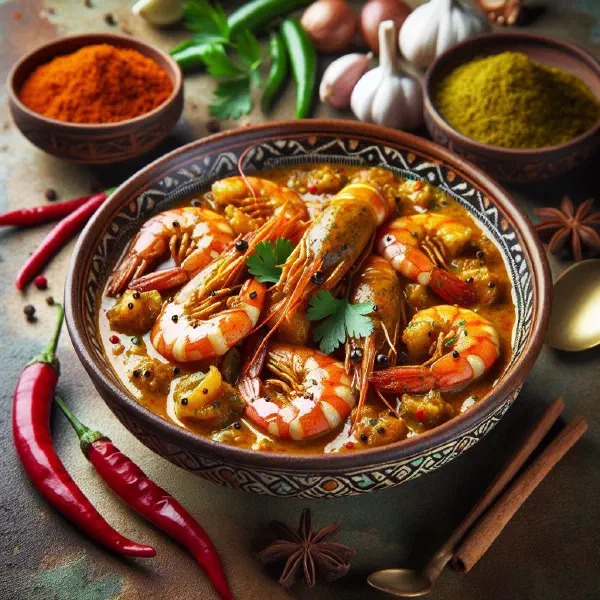
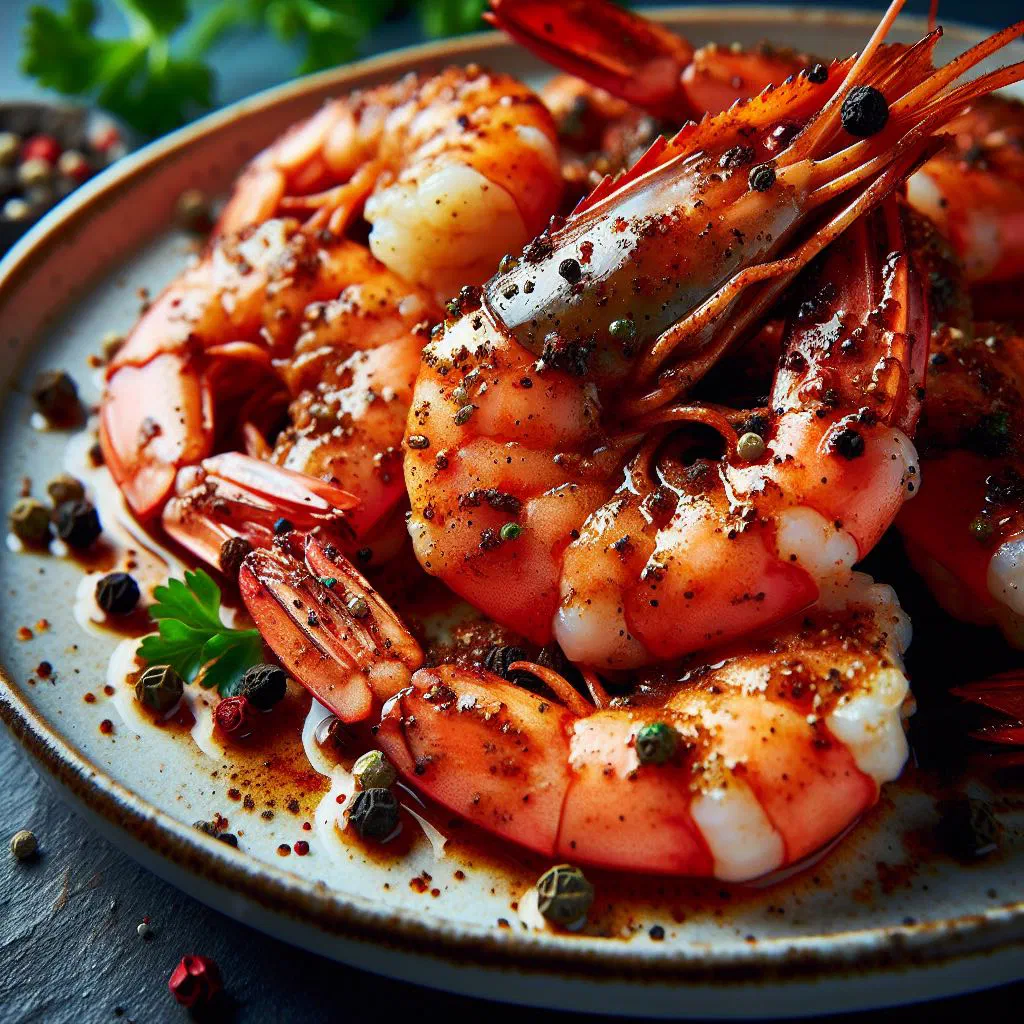
If you like your seafood with a serious kick, Pepper Shrimp is calling your name. This Trinbagonian favourite tosses plump, fresh prawns in a fiery blend of Scotch bonnet peppers, garlic and lime, delivering pure Caribbean sunshine in every bite. It comes together in minutes, yet tastes like a beachside feast, and this recipe walks you through every step, from shopping to serving, with plenty of ways to adapt it along the way.
About Pepper Shrimp
Pepper Shrimp is a traditional dish from Trinidad and Tobago, famed for its fiery flavour and its reliance on fresh ingredients. The star of the show, the shrimp, is often freshly caught and forms the foundation of this delicious dish. Seasoned with a range of aromatic spices and hot pepper pods, it becomes a taste experience that whisks your palate off on a journey through the Caribbean. This dish is delicious and a wonderful way to explore the culture and eating habits of this fascinating region, a true highlight of Trinidad and Tobago cuisine.
Ingredients (serves 1–2)
- 500 g fresh shrimp, peeled and deveined
- 2–3 hot pepper pods (e.g. Scotch bonnet or habanero)
- 2 garlic cloves, finely chopped
- 1 onion, diced
- 1 lime, juice and zest
- 2 tablespoons vegetable oil
- 1 teaspoon salt
- 1 teaspoon pepper
- 1 teaspoon paprika
Shopping for the ingredients
When shopping for pepper shrimp, make sure the shrimp are properly fresh. Your best bet is a fish market or a shop specialising in fresh seafood. The pepper pods can vary depending on availability, so it is important to pick genuinely hot varieties. Invest in good-quality spices too. They are the key to the bold, spicy flavour of this dish.
Preparing the dish
The preparation is a crucial stage for coaxing the full aroma out of pepper shrimp. Start by cleaning the shrimp and making sure they are thoroughly deveined. Chop the garlic and onion finely to release their aromas. The lime juice will sharpen the flavour and give the dish a pleasant freshness.
Step-by-step instructions
- Heat the vegetable oil in a frying pan over a medium heat.
- Add the onion and garlic and sauté until golden brown.
- Tip the shrimp into the pan and fry for 2–3 minutes until they turn pink.
- Add the pepper pods, salt, pepper and paprika and stir everything together well.
- Squeeze the lime juice over the shrimp and add the zest.
- Serve the pepper shrimp straight from the pan with the sides of your choice.
Gluten-free / lactose-free version
Pepper shrimp is naturally gluten-free and lactose-free, since the main ingredients are fresh shrimp and spices. Do take care, however, not to use heavily processed products that might contain gluten when adding side dishes. On the whole this dish is ideal for anyone with specific dietary requirements, as it adapts easily and hides no sneaky sources of gluten or lactose.
Tips for vegans and vegetarians
For vegan or vegetarian alternatives to pepper shrimp, you can use mixed vegetables or even tofu in place of the shrimp. These ingredients can be seasoned and cooked in exactly the same way to preserve that Caribbean flavour. If you go for tofu, press it well and marinate it thoroughly so it soaks up the aromas properly. The result is an equally tasty dish that suits vegans too.
More tips and tricks
To intensify the aroma of pepper shrimp, give it a short marinade before you start cooking. A mix of lime juice, garlic and spices helps deepen the flavours. Serve the dish fresh, too, shrimp quickly lose their texture if they sit around. And if you prefer things a little milder, simply cut back on the number of pepper pods.
Adapting the recipe to your taste
Every kitchen is different, and pepper shrimp is no exception. Feel free to adjust the spices to your own taste. Add cumin or coriander, for example, to lend the dish a new twist. Experiment with different combinations to create your own signature version. If you can’t get enough of spicy prawns, a creamier Curry Shrimp makes a lovely follow-up.
Ingredient substitutions
If you have no hot pepper pods to hand, you can use chilli powder or chilli oil instead to achieve a similar level of heat. You can also vary the oil. Try olive oil or coconut oil in place of the vegetable oil. That not only adds an extra layer of flavour but brings healthy fats along with it. Whatever you choose, keep the ingredients fresh to get the very best out of your dish.
Drink pairing ideas
Pepper shrimp goes beautifully with refreshing drinks that soften the heat. A classic Caribbean beer or a rum-based cocktail such as a mojito or piña colada makes an ideal companion. Ice-cold lemonade or fruit smoothies are great options too, a homemade Ginger Beer is particularly good at balancing the fiery flavours. Just make sure the drinks are fresh and well chilled to round off the culinary experience.
Serving and presentation ideas
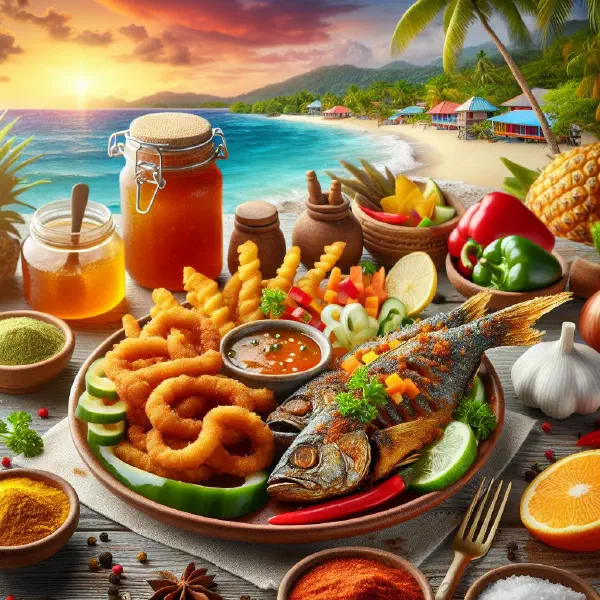
Presentation can add a great deal to the pepper shrimp experience. Use an attractive serving platter and garnish the dish with freshly chopped coriander or spring onions. Lime wedges arranged alongside the dish work nicely too. An appealing presentation makes the food more appealing and shows your love of cooking, much like the colourful spreads Trinbagonians lay on with Callaloo at family gatherings.
A bit of history
Pepper shrimp has its roots in the rich and varied culture of Trinidad and Tobago. The use of hot spices reflects the influence of Indian, African and European cooking. This culinary tradition is closely bound up with the history of the islands and the meeting of different cultures there. The dish is often served at celebrations or family get-togethers, bringing people together to enjoy the aromatic flavours of the Caribbean.
More recipe ideas
Summary: Pepper Shrimp
Pepper shrimp brings a little piece of the Caribbean to your table. With its fresh ingredients and perfectly balanced blend of spices, it offers a taste experience you really should not miss. This dish leaves endless room for adaptation. Let the variety and the spice win you over, and enjoy the flavours of Trinidad and Tobago.