National Dish Trinidad and Tobago: Roti (Recipe)
In this article
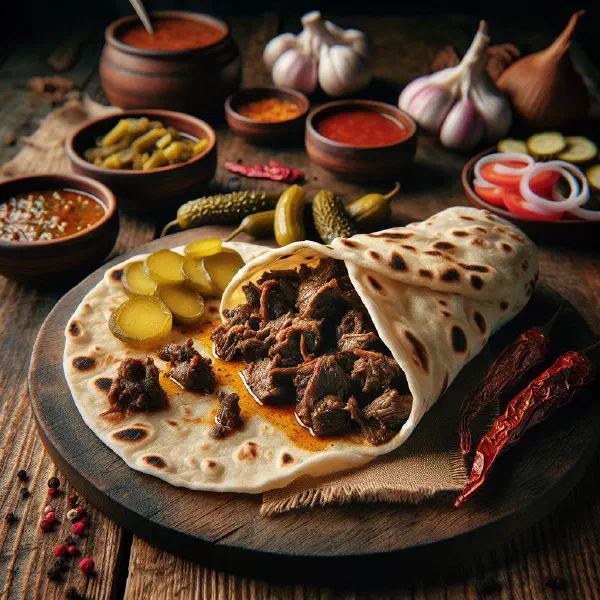
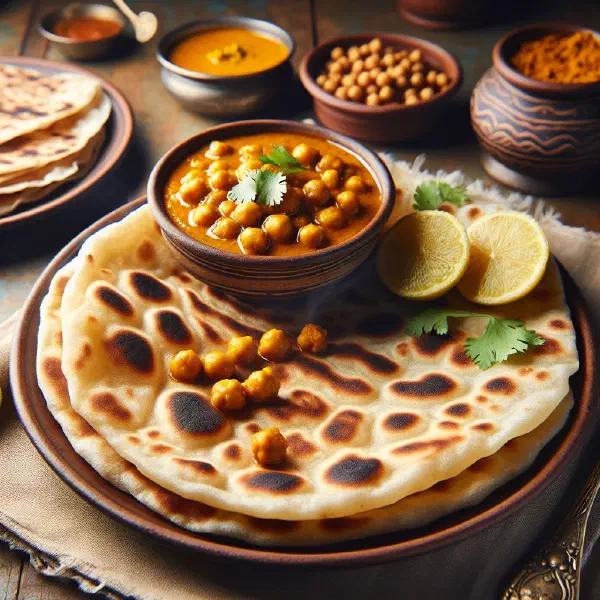
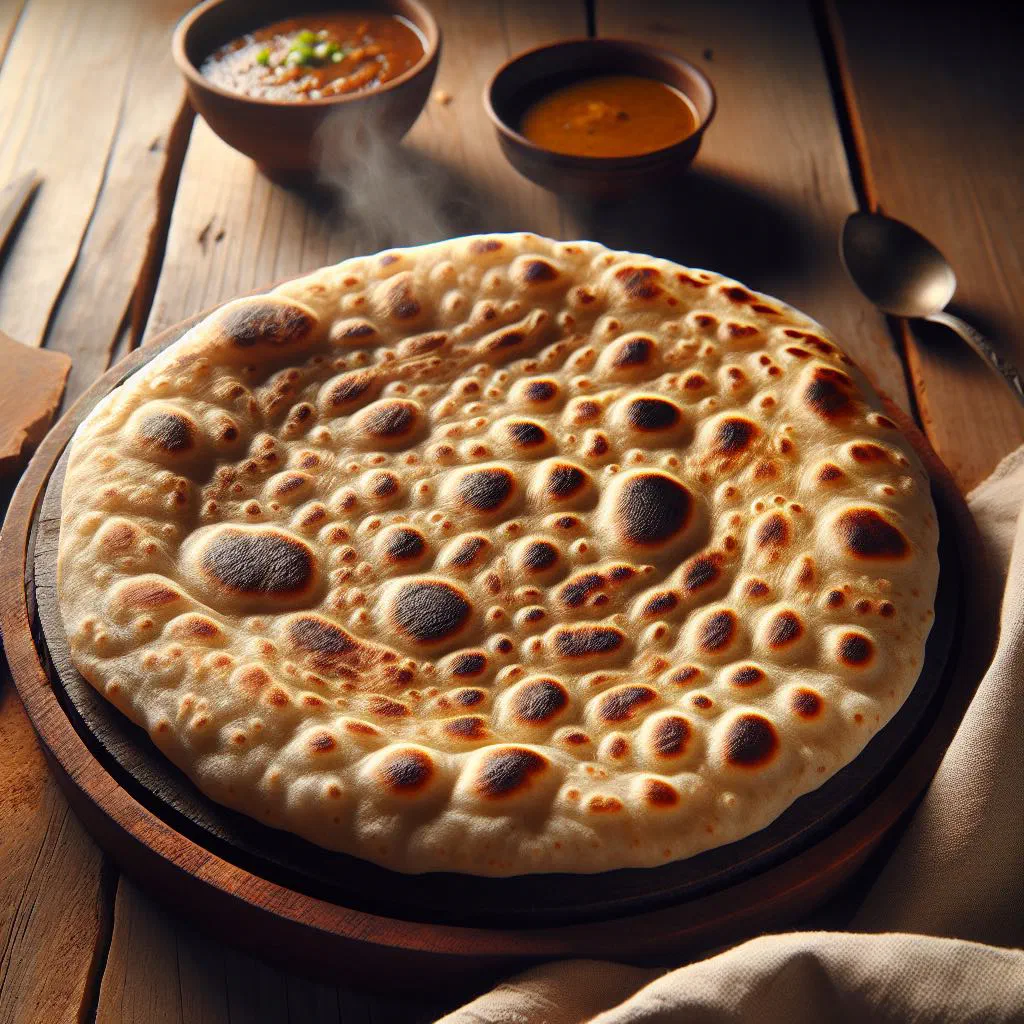
Discover the national dish of Trinidad and Tobago with our authentic Roti recipe. Soft, warm flatbread wrapped around richly spiced curry. This Caribbean favourite brings together fragrant spices, tender filling and pillowy bread in one very good package. Roti is comfort food with real island soul.
About Roti
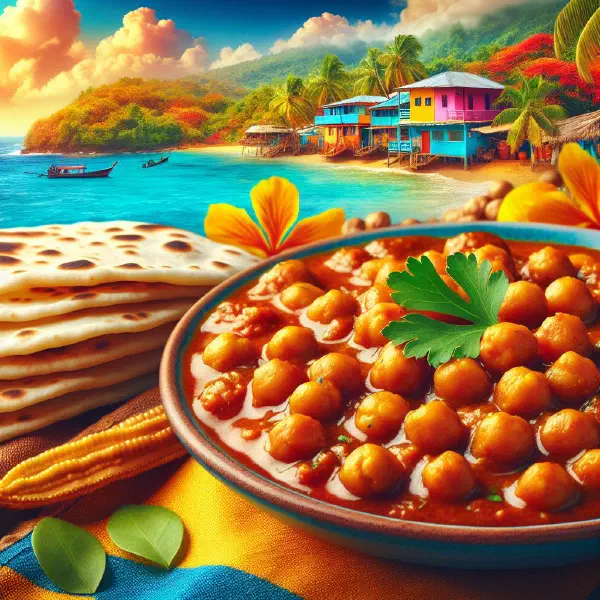
You cannot talk about the cuisine of Trinidad without mentioning roti. This delicious flatbread, filled with various curries and sides, is far more than just a dish. It is a piece of national pride. Roti represents Trinidad’s diverse history, a melange of Indian, African and European influences. It is prized above all for its versatility and the rich variations in flavour, ranging from hot to mild. Roti is a national dish and an expression of Trinidad’s cultural identity, standing shoulder to shoulder with classics like Doubles as everyday food with deep roots.
Ingredients (serves 1–2)
- 250 g plain wheat flour
- 1/2 teaspoon salt
- 150 ml water
- 2 tablespoons vegetable oil
- 1 teaspoon turmeric (for colour and flavour, optional)
- 1 chicken breast fillet, or 200 g mixed vegetables for a vegetarian option
- 1 tablespoon curry powder
- 1 garlic clove, finely chopped
- 1 small onion, diced
- 1 tomato, diced
- 1 small potato, diced
- Fresh coriander leaves (optional)
- Vegetable oil, for frying
Shopping for the ingredients
The ingredients for roti are available in most supermarkets or Asian grocery shops. When buying the curry powder, take care to choose a quality that does justice to the authenticity of the dish. With the vegetables, fresh local produce can improve the flavour even further. The chicken breast should also be as fresh as possible to guarantee a good texture.
Preparing the dish
- Prepare all the ingredients in advance by washing, peeling and cutting them to the appropriate size.
- Measure out the curry powder and spices to your own taste to control the intensity of the aroma.
- Sift the flour to avoid lumps in the dough.
Step-by-step instructions
- In a bowl, mix the flour, salt and turmeric. Add the water gradually and knead into a smooth dough.
- Cover the dough with a damp cloth and let it rest for 15 minutes.
- Heat the oil in a pan, sweat the garlic, onions and tomatoes, then add your chosen protein and fry until cooked through.
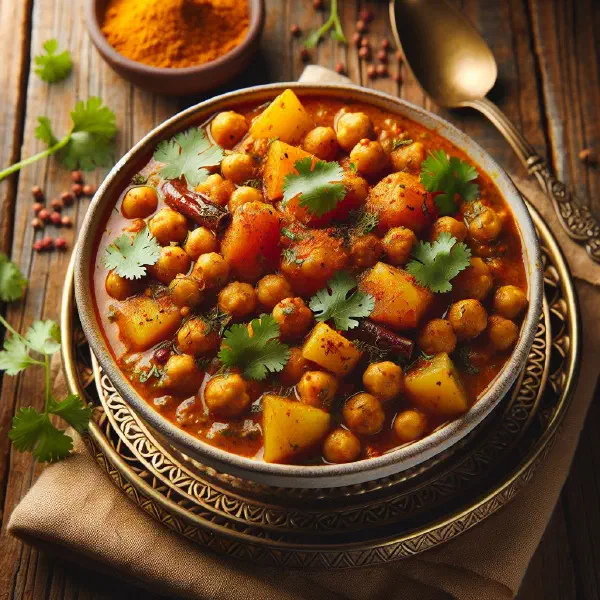
- Add the curry powder and simmer with the potatoes and a little water until it forms a thick sauce.
- Divide the dough into equal portions, roll them out flat and cook on a hot, dry pan until golden brown on both sides.
- Serve the finished flatbreads with the curry filling.
Gluten-free / lactose-free version
For a gluten-free version, the wheat flour can be replaced with a suitable gluten-free flour blend. Just knead the dough a little more gently, as gluten-free doughs are more delicate. The recipe is naturally lactose-free, since it uses vegetable oil rather than butter or ghee, so no further changes are needed for anyone avoiding dairy.
Tips for vegans and vegetarians
Roti adapts beautifully to a plant-based kitchen. Simply swap the chicken for 200 g of mixed vegetables or tofu and the dish becomes fully vegan, the flatbread itself contains no animal products at all. Chickpeas make an especially authentic filling, as the popular pairing of roti and channa proves. Check that your curry powder contains no hidden animal-derived additives and you are good to go.
More tips and tricks
The secret of a good roti lies in the dough. Make sure you knead the dough thoroughly and let it rest long enough to achieve the perfect consistency. If you would like an even richer filling, you can add chickpeas or lentils to the curry as well.
Adapting the recipe to your taste
The charm of roti lies in its adaptability. With meat or vegetarian, with extra vegetables or a filling of your own creation, the possibilities are almost endless. If you fancy a different take on the bread itself, the flaky Paratha Roti is a wonderful variation to explore.
Ingredient substitutions
For a gluten-free variation, the wheat flour can be replaced with a suitable gluten-free flour blend. Instead of chicken, you can also use lamb, beef or tofu to adapt the dish to different dietary habits. Fans of bolder flavours might even use goat meat for a truly Trinidadian filling.
Drink pairing ideas
A cool lager or a fruity Chardonnay makes an excellent companion to a spicy roti. If you prefer to skip the alcohol, an ice-cold lime juice, a mango lassi or a glass of homemade ginger beer is wonderfully refreshing alongside the warming curry.
Serving and presentation ideas
Serve the roti on a colourful plate and garnish it with fresh coriander leaves to add colour and freshness. A wedge of lime next to the dish allows your guests to finish their roti with a squeeze of citrus.
A bit of history
The roots of roti reach back to the Indian immigrants who came to Trinidad in the 19th century. With them they brought their traditional recipes, which over time were adapted to local ingredients and tastes, and so roti emerged as we know it today, one of the defining dishes of Trinidad and Tobago cuisine.
More recipe ideas
Summary: Roti
Roti is a true reflection of the cultural mix in Trinidad and offers a very good blend of aromas and textures. With this recipe you bring a piece of Trinidadian cooking into your own kitchen. From the soft, golden flatbread to the richly spiced curry filling, every element rewards a little care, and once you have mastered it, you will come back to it again and again.