National Dish Tunisia: Baghir (Recipe)
In this article
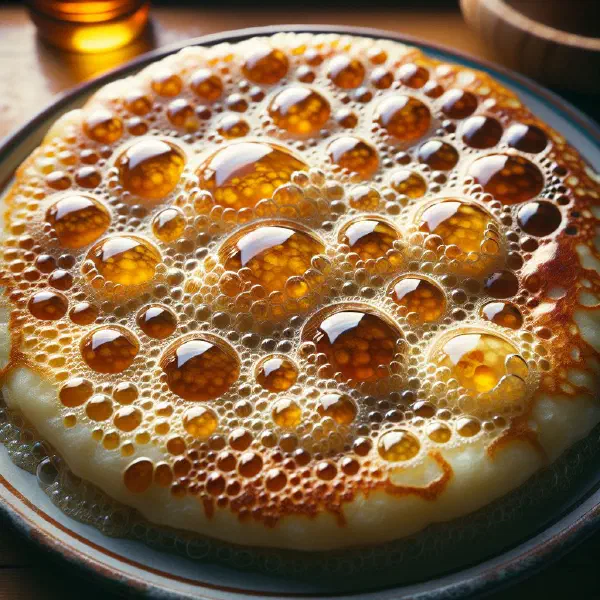
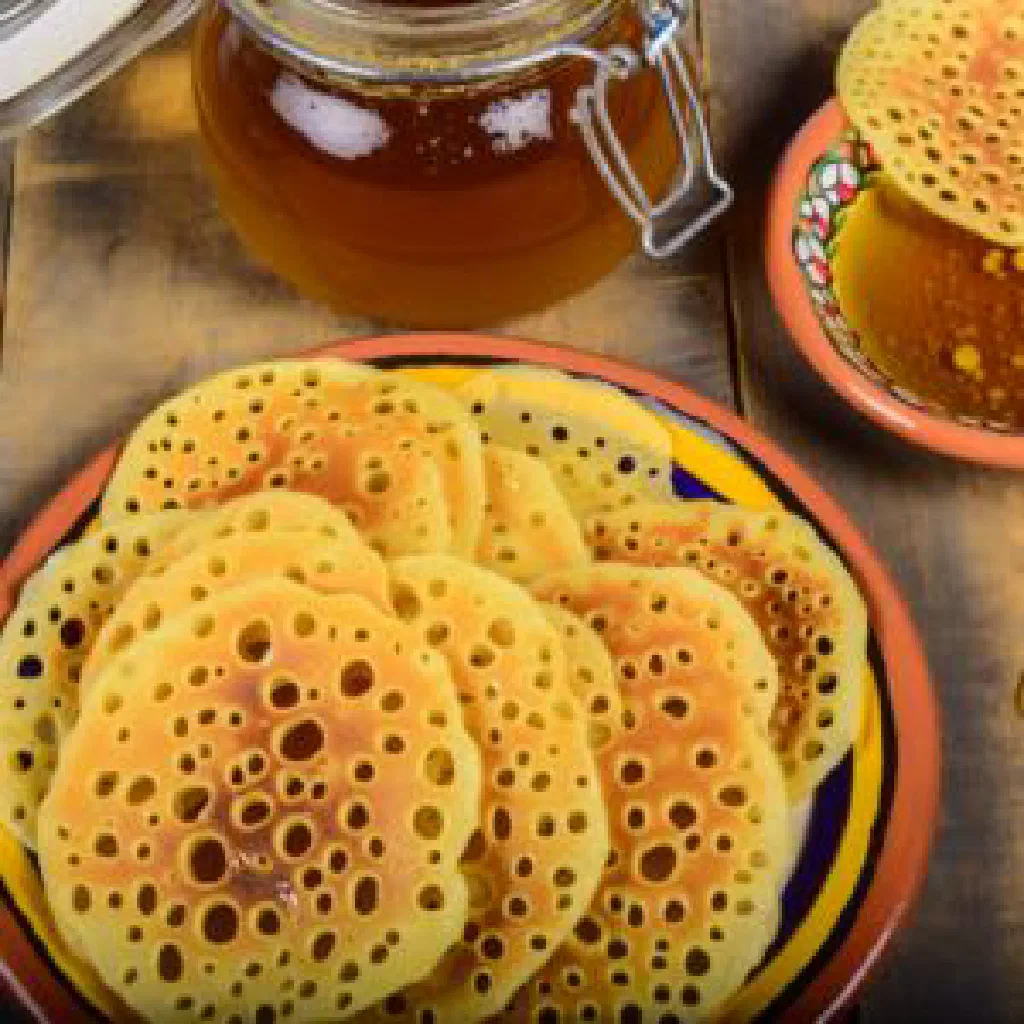
Meet Baghir, the airy “thousand-hole pancake” that Tunisians love for breakfast and as an afternoon treat. Delicate, spongy and speckled with tiny bubbles, these pancakes soak up whatever you serve them with, a pool of honey, a spoonful of jam or a glug of golden olive oil. Simple to make and naturally free of eggs and dairy, baghir brings a little North African sunshine to your kitchen table.
About Baghir
Baghir, also known as the “hole pancake”, is a traditional Tunisian dish that stands out for its unusual texture and the characteristic little holes that cover its surface. These airy pancakes are a popular snack and make an excellent breakfast. They are often served with honey, jam or olive oil, which beautifully enriches the flavour of the soft, tender pancakes. Baghir is a wonderful example of the culinary variety of Tunisia.
Ingredients (serves 1–2)
- 1 cup fine breadcrumbs (or finely milled wheat semolina)
- 1 cup water
- 1/2 teaspoon dried yeast
- 1/2 teaspoon sugar
- 1/4 teaspoon salt
- 1/2 teaspoon baking powder
Shopping for the ingredients
To make baghir you need only a handful of basic ingredients, and nearly every grocery shop will have them in stock. Choose fresh, good-quality products to guarantee the best flavour. If you have alternative dietary needs, you can reach for gluten-free breadcrumbs instead. Picking out a really good olive oil for serving can lift the whole experience, much as it does for many other dishes in Tunisian cuisine.
Preparing the dish
Before you start cooking baghir, gather all your ingredients and make sure you have the right kitchen kit to hand. A large mixing bowl for the batter and a non-stick pan are both essential. To make things easier, it helps to activate the yeast in warm water first, leaving it to bloom with the sugar for a few minutes. This is the key to pancakes that turn out beautifully fluffy.
Step-by-step instructions
- Dissolve the dried yeast and sugar in warm water and leave to stand for a few minutes.
- Add the breadcrumbs, baking powder and salt, then stir well until you have a smooth, even batter.
- Let the batter rest for about 30 minutes so the flavours can develop.
- Heat a non-stick pan over medium heat and pour in small portions of the batter.
- The pancakes are ready once bubbles form across the surface and the underside is golden brown. The top side does not need to be cooked.
Gluten-free / lactose-free version
Making baghir gluten-free is easy. Simply use gluten-free breadcrumbs or flours. Many people turn to rice-free flour alternatives, which work just as well. For a lactose-free version, use plant oil or lactose-free products. That way anyone with an intolerance can still enjoy the pleasures of these delicious pancakes.
Tips for vegans and vegetarians
Baghir is naturally a vegetarian dish. Vegans can enjoy it just as easily, since the recipe contains no eggs or milk. When serving, swap the honey for maple syrup or another sweetener. Pair the pancakes with fresh fruit or vegan spreads to create a colourful, nourishing meal.
More tips and tricks
To get the best results, it is important to keep a close eye on the pan temperature. Too high a heat can cause the pancakes to cook unevenly and catch. Letting the batter rest is crucial for that airy consistency.
Adapting the recipe to your taste
The baghir recipe adapts wonderfully to different tastes and preferences. You could add spices such as cinnamon or vanilla to create a sweeter version. You can also test alternative types of flour to achieve different textures and flavours.
Ingredient substitutions
If you do not have breadcrumbs or wheat semolina to hand, you can use coarse cornmeal, or even oats ground into flour. These alternatives give the pancakes a slightly different aroma. For a sugar-free version, you can use natural sweeteners such as stevia. Take care to make flavour adjustments while keeping the batter’s consistency intact.
Drink pairing ideas
Plenty of drinks pair beautifully with baghir. A fresh mint tea is the classic companion, refreshing and a lovely match for the flavour of the pancakes. For something with a little more body, serve an aromatic coffee or a fruit smoothie. These drinks create the perfect balance for a thoroughly satisfying breakfast or snack.
Serving and presentation ideas
Stack the pancakes on a pretty plate and garnish with fresh berries or nuts. A few drops of honey or a drizzle of olive oil open up new dimensions of flavour and make the dish look inviting too. Use colourful plates or napkins to round off the visual experience. Serve them alongside sweet fried treats like Bambalouni for a generous breakfast spread.
A bit of history
Baghir has a long tradition in Tunisian cooking. It originally arose from the need to turn simple ingredients into something quick and nourishing. The little holes in the pancake are the result of the yeast, which lightens and loosens the batter. This dish is also prepared in other North African countries and forms part of the region’s cultural heritage, a family of griddled breads that includes flatbreads such as Mlawi. Making baghir strengthens not only the family but the wider community too.
More recipe ideas
Summary: Baghir
Baghir is not merely a simple dish but a culinary experience that embodies the cultural variety of Tunisia. The airy, tasty pancakes are versatile and easily adapted to individual preferences. Whether sweet or savoury, baghir is ideal for any breakfast or simply as an in-between snack. Let the flavours and traditions of Tunisia inspire you and set off on a delicious journey through Tunisian cooking.