National Dish Tunisia: Chorba Hlalem (Recipe)
In this article
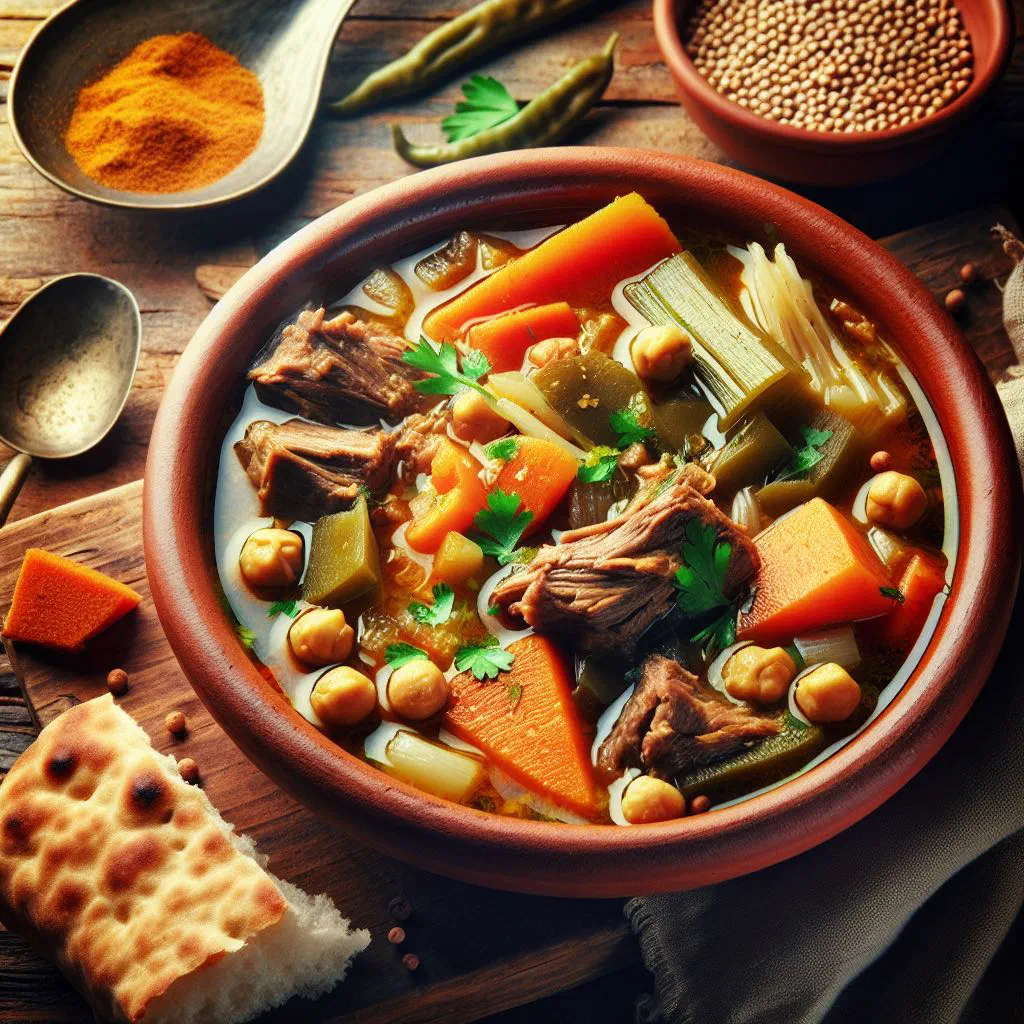
Warm up with Chorba Hlalem, one of Tunisia’s most cherished comfort dishes. This hearty soup brings together tender pieces of meat, fresh vegetables and a fragrant blend of spices for a bowl that soothes body and soul alike. Whether it graces the table on a chilly winter’s evening or at a festive gathering, chorba hlalem carries the sunny warmth of the Mediterranean in every spoonful. Bring a taste of Tunisia straight to your own kitchen.
About Chorba Hlalem
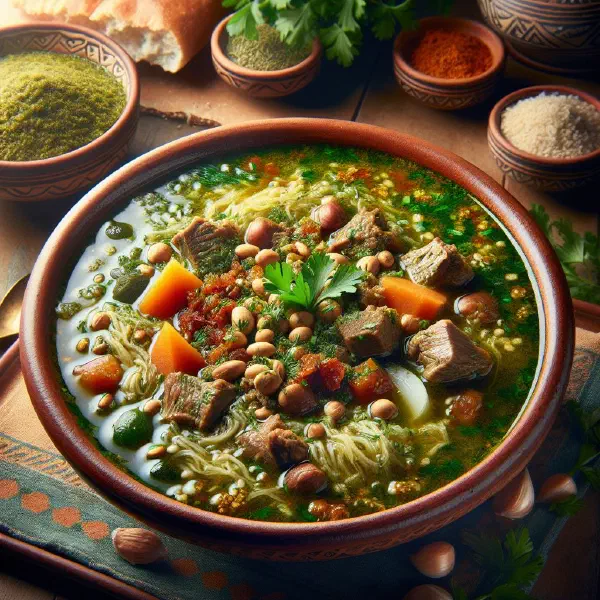
Chorba Hlalem is a traditional Tunisian dish that sets the hearts of food lovers racing. This hearty soup is often described as a national dish of Tunisia, prized for its aromatic ingredients and deep, satisfying flavour. With a combination of tender pieces of meat, fresh vegetables and a generous mix of spices, it manages to please every one of the senses. Whether on a cold winter’s evening or at a festive occasion, chorba hlalem is perfect for any moment.
Ingredients (serves 1–2)
- 200 g lamb or beef
- 1 large carrot
- 1 onion
- 1 small courgette
- 2 tomatoes
- 1 tsp cumin
- 1 tsp paprika
- Salt and pepper, to taste
- 1 litre water or stock
- Fresh herbs, to garnish
Shopping for the ingredients
To make chorba hlalem, it is worth choosing all your ingredients as fresh and as good in quality as you can. Visit your local market or a well-stocked supermarket to find the best on offer. Pay particular attention to the freshness of the meat, as it plays a central role in the flavour of the soup. Vegetables such as carrots and courgette should be crisp and bright so they release their fullest aromas. Like a good bowl of Chorba Frik, it all begins with quality produce.
Preparing the dish
Before you begin cooking the chorba hlalem, it is important to prepare all your ingredients. That means cutting the meat into small pieces and peeling and dicing the vegetables. The tomatoes can also be blanched briefly for a more intense flavour before they go into the soup. Good preparation makes the cooking more efficient and improves the final result of the dish.
Step-by-step instructions
- Brown the meat in a large pot with a little oil until lightly coloured.
- Add the onion and sweat until soft, followed by the other chopped vegetables.
- Add the spices, including cumin and paprika, and toast them briefly.
- Pour in the water or stock and bring to the boil.
- Reduce the heat and let the soup simmer for at least 30 minutes, until the meat is tender.
- Garnish with fresh herbs and serve hot.
Gluten-free / lactose-free version
Chorba hlalem is naturally gluten-free and lactose-free, as long as you take care to use the right ingredients. Avoid any ready-made stocks or seasoning mixes that might contain gluten. Make sure, too, that all the ingredients you choose, especially the meat, are free of additives. This soup offers a wonderful option for anyone with food intolerances.
Tips for vegans and vegetarians
A vegan or vegetarian version of chorba hlalem is easy to put together by replacing the meat with protein-rich plant alternatives such as chickpeas or lentils. You can also use vegetable stock instead of meat stock to deepen the flavour. The spices stay the same, keeping those traditional aromas intact. That way nothing of the authentic taste is lost, even when you leave out animal products.
More tips and tricks
The perfect chorba hlalem depends on the ingredients and on how you cook it. After simmering, let the soup rest for a while so the flavours can develop fully. A squeeze of fresh lemon just before serving lends the soup a pleasant freshness. Experiment with different herbs and spices, too, to adjust the recipe to your own taste.
Adapting the recipe to your taste
Chorba hlalem is a wonderfully adaptable dish that is easy to modify to personal preference. Do you like it hotter? Add a little chilli to give the soup an extra kick of spice, much as you would with a fiery Harissa. For a richer consistency, stir in a little more vegetable or a handful of pulses. The result is an individual creation made entirely to your liking.
Ingredient substitutions
If you do not have a particular ingredient for chorba hlalem to hand, there are plenty of alternatives you can use. Instead of courgette, for example, you could reach for aubergine or peppers. If you are not keen on lamb or beef, chicken or even tofu make suitable stand-ins.
Drink pairing ideas
A warming soup like chorba hlalem pairs best with soft drinks such as a fresh mint tea or a refreshing ginger tea. For an alcoholic accompaniment, a light white wine or a fruity rosé would be a lovely choice. These combinations lift the whole culinary experience and make the meal memorable.
Serving and presentation ideas
The presentation of chorba hlalem can improve the dining experience considerably. Serve the soup in deep bowls and garnish it with fresh herbs such as coriander or parsley. A few drops of olive oil or lemon juice on the surface add extra accents of colour and flavour. Remember to serve warm bread or flatbread on the side, a piece of Khobz Tabouna rounds the dish off beautifully.
A bit of history
Chorba hlalem has a long and fascinating history in Tunisian cuisine. This dish has its roots in the rich culture of the Mediterranean, where the use of the freshest ingredients and aromatic spices plays a central role. The soup was traditionally prepared within families and often cooked in large quantities for festivals and celebrations. It is a piece of Tunisian identity and community, deeply woven into the fabric of Tunisian cuisine.
More recipe ideas
Summary: Chorba Hlalem
Chorba hlalem is not only a delicious dish but a cultural one, uniting the very best flavours of Tunisia. Through the use of fresh ingredients and traditional spices, it creates an experience that both warms the body and nourishes the soul. It remains a culinary treat every time. Let this Tunisian classic inspire you and give it a try, your taste buds will thank you.